How math helped the Allies win World War II
How math helped the Allies win World War II During World War II, statistics helped the Allies estimate the number of enemy tanks, which proved essential in the decisive move against Nazi Germany Thi
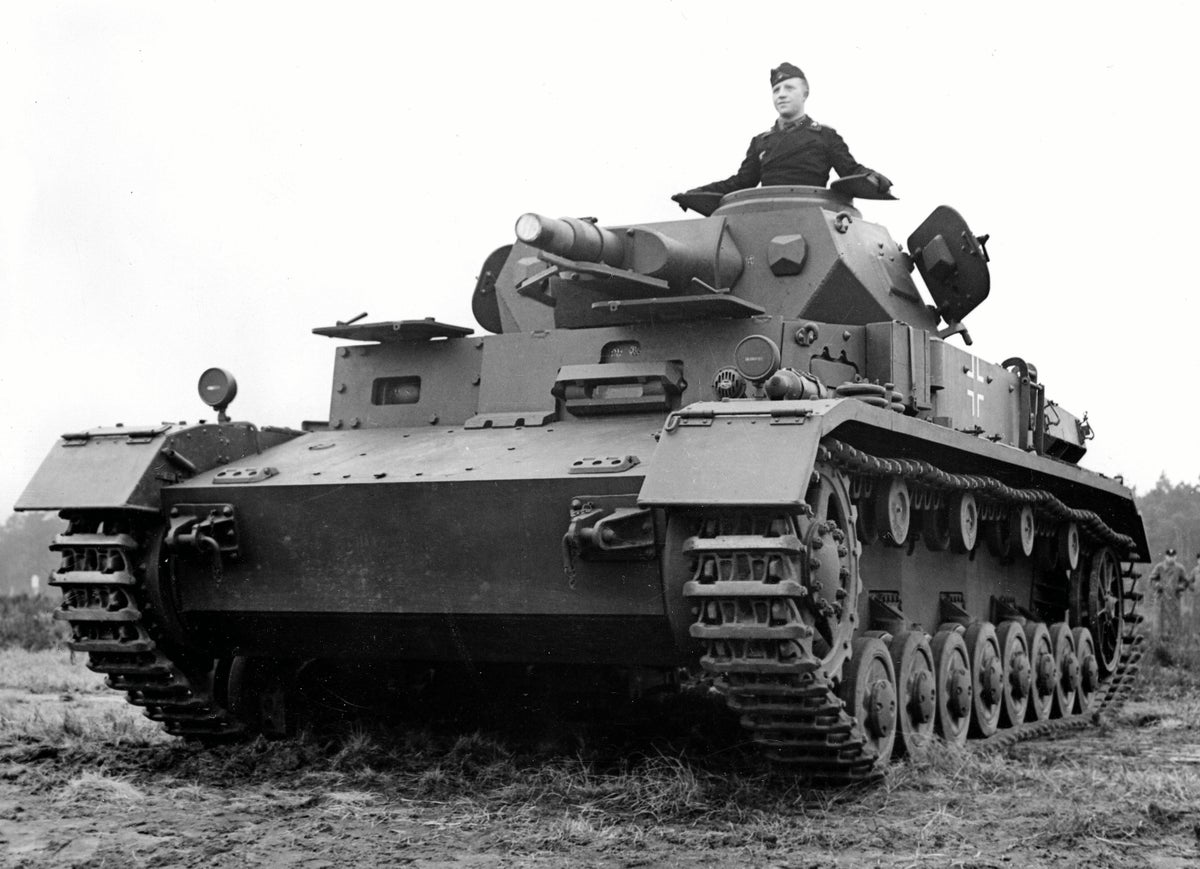
During World War II, statistics helped the Allies estimate the number of enemy tanks, which proved essential in the decisive move against Nazi Germany
Read Full Story at Scientific American →Why This Matters
The Allies' ability to leverage statistical inference during WWII demonstrated how abstract disciplines could shift the balance of power in modern warfare. This breakthrough not only saved lives by reducing unnecessary engagements but also laid the foundation for operational research—a field that would later revolutionize strategic planning in business, logistics, and beyond. The story underscores how scientific innovation can emerge from the unlikeliest of circumstances, reshaping our understanding of conflict resolution.
Background Context
By 1941, German tank production had become a critical unknown for Allied commanders, with Nazi propaganda claiming thousands of new units rolling off assembly lines. Traditional intelligence methods proved unreliable, as captured documents or defectors offered fragmented or fabricated data. Meanwhile, Allied statisticians like Abraham Wald and John Tukey were already refining methods to extract meaning from incomplete datasets—a necessity born from the chaos of war and the urgency of countering Axis industrial dominance.
What Happens Next
As modern militaries increasingly rely on AI-driven predictive analytics, the WWII tank estimation techniques may appear primitive—but they established a template for algorithmic warfare. Governments and corporations now face the ethical dilemma of balancing computational precision with the risk of over-reliance on data-driven decision-making. Meanwhile, historians continue to debate how much these statistical triumphs, rather than battlefield heroics, truly dictated the war’s outcome.
Bigger Picture
This episode exemplifies how wartime exigencies accelerate scientific advancement, with military needs driving breakthroughs that later permeate civilian life. From operations research to cryptography, the war’s mathematical legacy now underpins everything from supply chain optimization to social media algorithms. It also serves as a cautionary tale about the blind spots inherent in even the most sophisticated models—a reminder that in war, as in science, the most valuable insights often come from questioning what we think we know.