Engineers shrink transistors to 25 nanometers for AI processing power
Engineers are racing to create smaller transistors to meet the growing demand for processing power, particularly for artificial intelligence applications. Recent breakthroughs in materials have enabl…
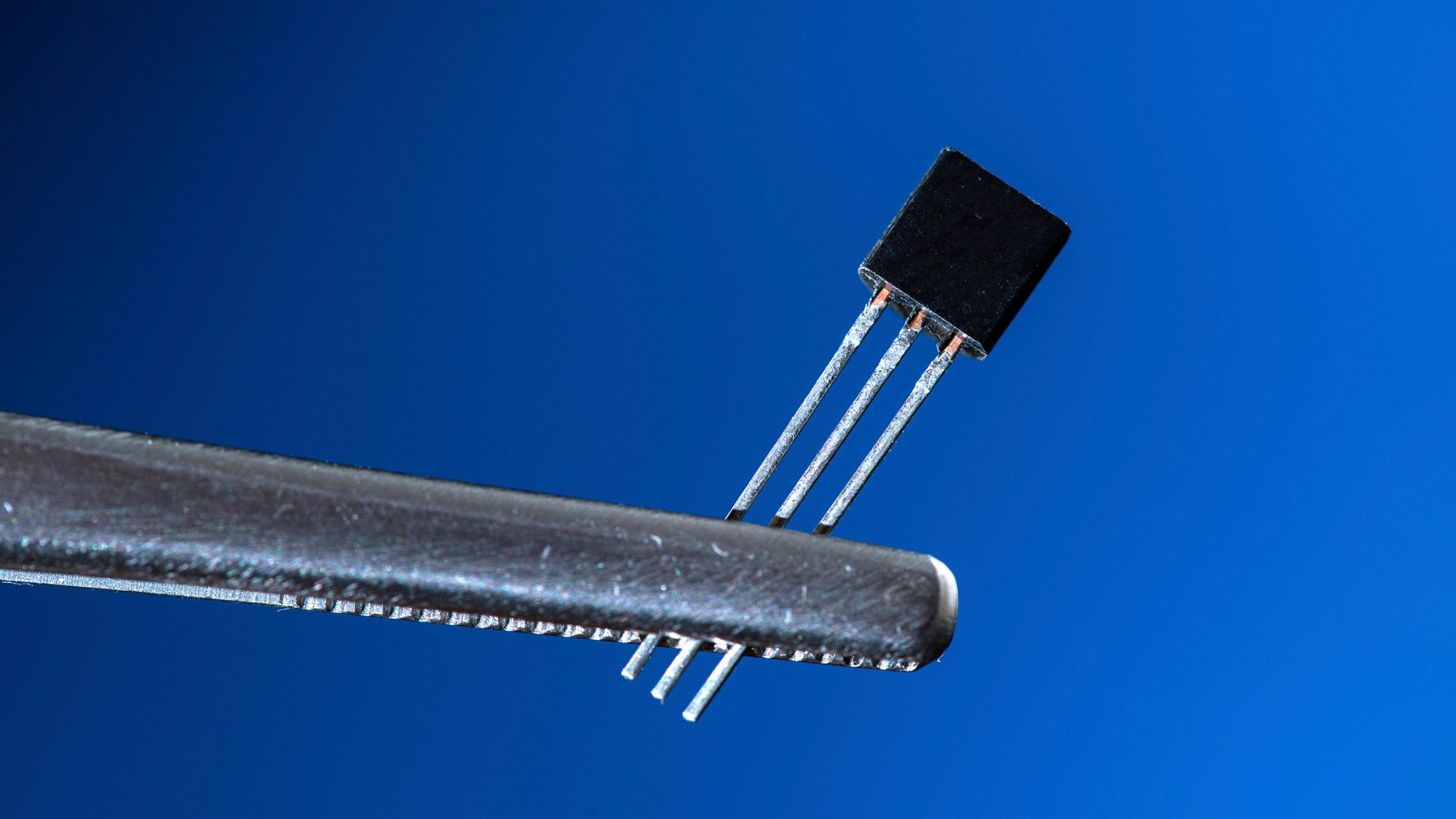
Engineers are in a heated race to create smaller transistors as the demand for processing power skyrockets in the age of artificial intelligence. This effort, which has been ongoing for decades, is now more critical than ever as technology evolves at a rapid pace. Transistors, the tiny switches that control the flow of electricity in computer chips, are essential for enabling the functions we rely on daily, from AI data centers to smartphones.
A transistor is a small component found on a chip, which is itself located on a printed circuit board inside devices like computers and mobile phones. Within each chip, pieces of silicon house billions of these transistors, which turn on and off billions of times per second. The drive to make transistors smaller stems from the fundamental principle that smaller transistors allow more to fit on a chip, thereby enhancing speed and functionality. This is particularly important as the tech industry seeks to meet the increasing computational demands of AI and other advanced applications.
Recent advancements have shown that researchers have successfully created proof-of-concept devices where a single atom can control the flow of electrons. However, these devices are still larger than the atomic scale needed for practical use. In a significant study published in June in Nature Nanotechnology, scientists demonstrated the capability to shrink nanoribbon transistors to a width of 25 nanometers, using innovative materials like two-dimensional semiconductors made of tungsten disulfide. These materials, which are only a few atoms thick, allow for more precise control of electrical current, enabling the creation of smaller transistors than traditional silicon.
Looking ahead, experts predict that while silicon transistors will continue to shrink over the next decade, the pace will slow compared to previous years. To achieve even smaller sizes, researchers may need to transition to atomically thin materials, which could revolutionize the way we think about computing power. The future of transistor technology is critical, not just for enhancing device performance but also for shaping the capabilities of future technologies in an increasingly digital world.
Read Full Story at Live Science →