Snails adjust calcium to control slime thickness
Snails use collagen and calcium to adjust mucus stiffness and stickiness for movement and protection; this discovery could lead to better medical gels, surgical glues, and soft robot grippers. By con…
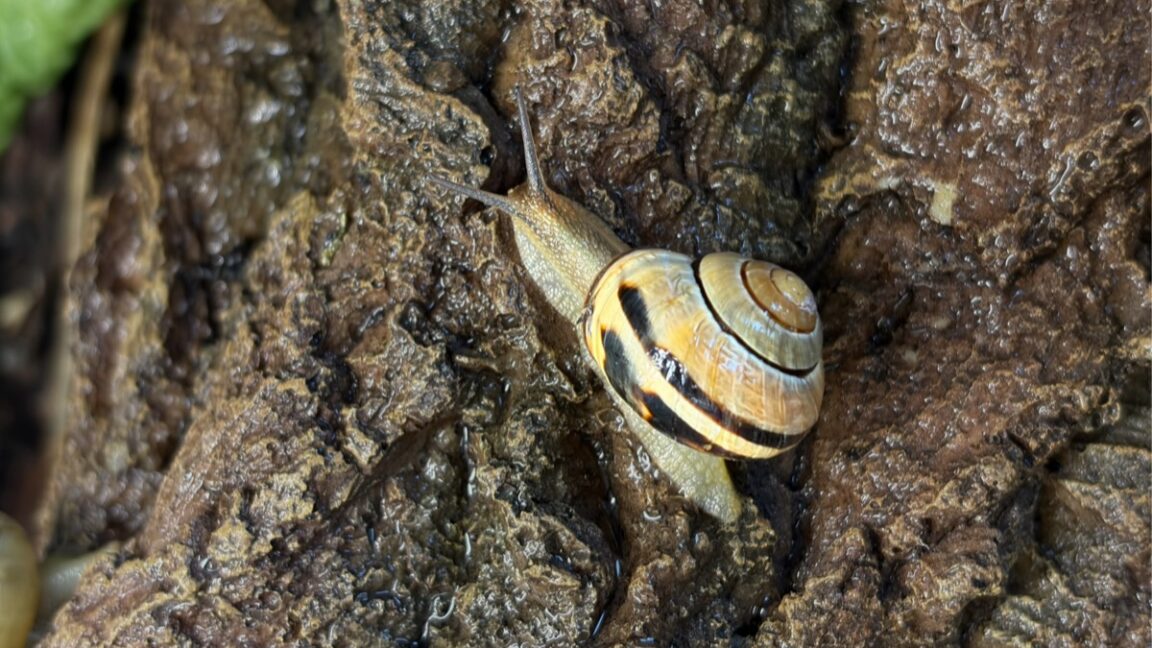
Researchers have discovered how snails engineer their slime to perform different jobs. Collagen and calcium work together to change the mucus’ stiffness and stickiness. The team used high-speed cameras and force tests to watch snails in real time. They found that adding more calcium makes the slime thinner and less sticky.
The work matters because mucus isn’t just goo. It’s a living material that protects snails from sharp rocks, traps food, and helps them glide. Scientists want to copy those properties for medical gels, surgical glues, or soft robot grippers. Engineers already try to mimic mussel and hagfish slime, but snail mucus has stayed mysterious. This study shows how two common building blocks—collagen fibers and calcium ions—can build a material that changes on the fly.
The experiments involved two common snails: the giant African land snail and the pond snail. High-speed video let the team measure how the slime stretched and snapped. Force tests showed that calcium grabs the collagen fibers and pulls them tight, making the mucus stiffer and less stretchy. Without calcium, the slime stays thick and tacky, perfect for slow climbs up a wall. When calcium rises, the slime thins and flows, letting the snail slide faster.
Next, the researchers plan to test other snail species and build synthetic versions of the mucus. The goal is a line of bio-inspired glues that set only when needed, then dissolve harmlessly. Surgeons could use them to seal wounds that swell and shrink. Drug makers could wrap pills in a mucus-like coating that melts in the stomach but stays sticky on the tongue. The humble snail might soon be an unlikely hero of materials science.
Read Full Story at Ars Technica →