Spain’s Ceuta crisis pressures EU border policy
Spain’s Ceuta recorded over 3,000 migrant arrivals in a month, overwhelming local facilities. This crisis pressures EU border policy, prompting calls for stricter controls and shared funding to manag…
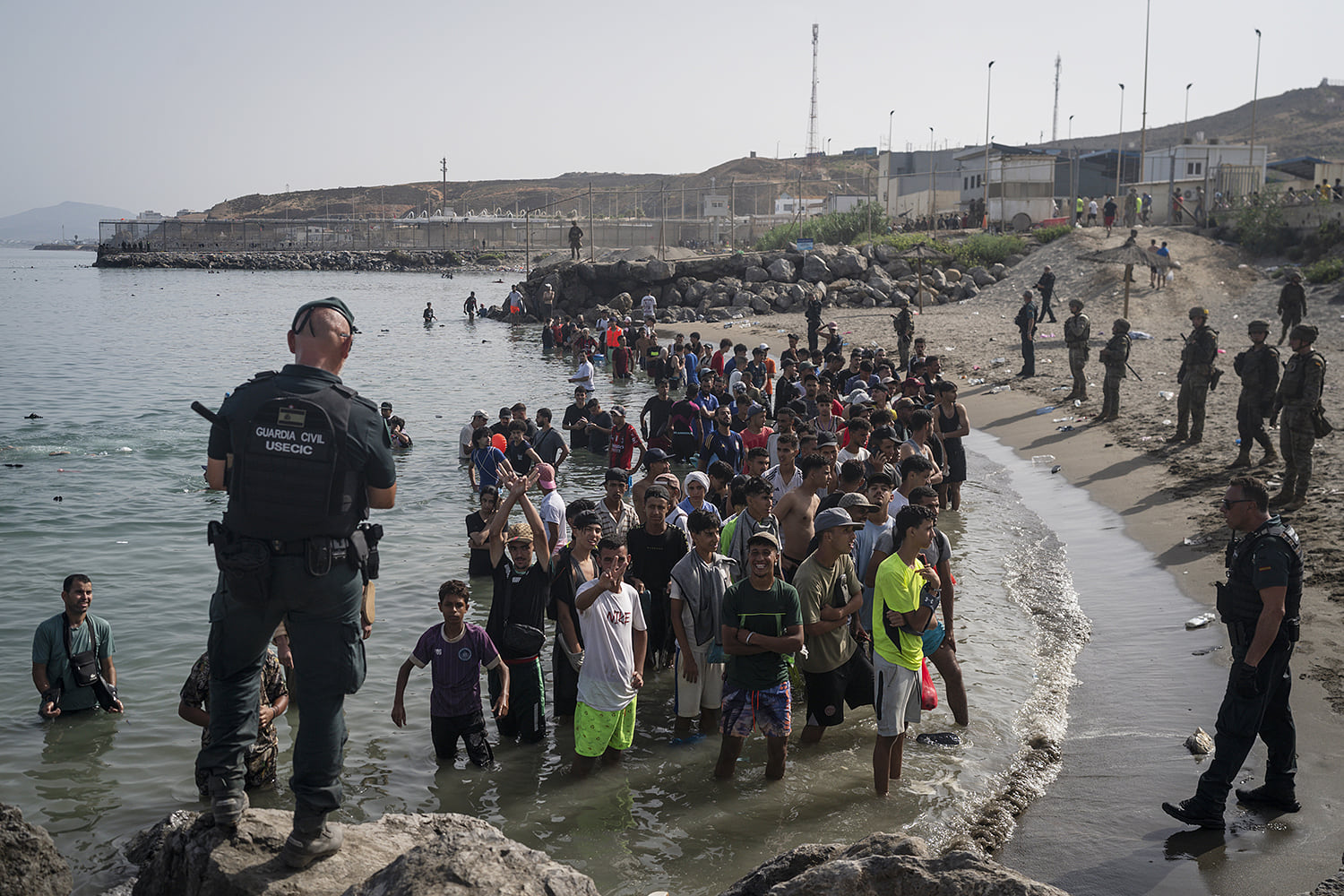
Spain’s autonomous city of Ceuta on the north‑western coast of Africa has seen an unprecedented surge of migrants, sparking a fresh debate across the European Union about how to manage border flows. In the past month, authorities recorded more than 3,000 arrivals, many of them refugees fleeing conflict zones in Mali, Burkina Faso and Niger. The influx has overwhelmed local shelters and prompted the Spanish government to call for additional resources from EU partners.
Ceuta is a Spanish exclave that sits on the Strait of Gibraltar, a key crossing point between Africa and Europe. Since the 1990s the city has been a frontline for migrants trying to reach mainland Spain and the rest of the EU. The current spike coincides with a wave of violence in the Sahel, including Islamist attacks and political instability that have pushed thousands to seek safety across the sea. The European Commission has warned that the crisis could strain the EU’s external border policy, which relies on cooperation with North African states and the European Border and Coast Guard Agency (Frontex).
The surge has forced Spain to deploy additional border patrol units and to tighten controls at the port of Ceuta. Prime Minister Pedro Sánchez announced that the Spanish government will allocate €5 million to bolster emergency shelters and to support the European Border Surveillance System. Meanwhile, the European Council is set to discuss a new "Mediterranean Migration Strategy" that would increase funding for border agencies and encourage stronger ties with African partners. Critics argue that the plan could lead to more stringent checks that might violate human rights, while supporters say it is necessary to protect both migrants and European communities.
If the EU adopts the proposed strategy, it could trigger a wave of new regulations, including stricter asylum procedures and expanded use of external border controls. The policy would also require member states to share financial responsibilities more evenly, potentially reshaping the EU’s approach to migration for the next decade. The outcome will be closely watched by both European politicians and humanitarian organisations, as it will determine how the continent balances security concerns with its commitments to human rights and international law.
Read Full Story at NBC News →