AIDS crisis sparks multibillion-dollar life settlement market growth
The life settlement market, worth billions, allows policyholders to sell their life insurance for immediate cash, transforming it into a tradable asset. This industry originated during the AIDS crisi…
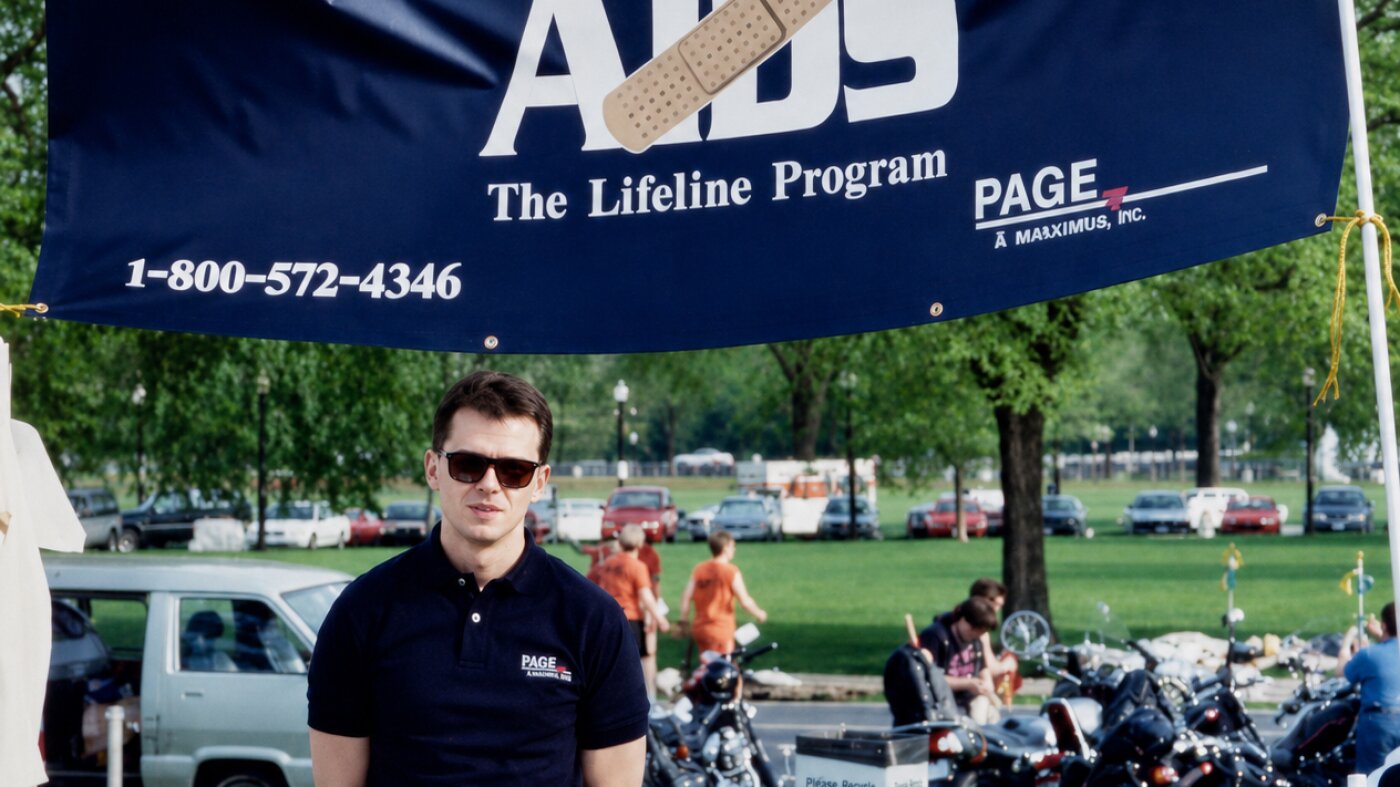
Frank Sierawski, a finance professional who survived Stage IV lung cancer, recently discovered that his life insurance policies were not just safety nets for his family but liquid assets he could sell to investors. This realization emerged from a chance encounter in an online support group for cancer survivors, where he learned about the life settlement industry. Under this arrangement, policyholders can sell their policies to third-party investors for a fraction of the death benefit. The investors then take over premium payments and collect the full payout when the insured person dies. For Sierawski, who had been paying into two policies since his diagnosis a decade ago, this meant unlocking cash he had previously thought was locked away until his death. He was shocked to learn that his medical history, once a source of fear, had transformed his insurance into a valuable commodity. The market for these transactions has grown into a multibillion-dollar industry, driven by the desire of investors to profit from the timing of human mortality. Sierawski’s experience highlights a stark shift in how individuals view life insurance. It is no longer just a contract between a person and an insurer. It is a tradable asset that can be leveraged for immediate financial gain, even if it means surrendering the long-term protection intended for loved ones.
The life settlement market did not emerge from a vacuum of financial innovation. It was born out of the desperation of the AIDS crisis in the late 1980s and early 1990s. During this period, many people diagnosed with HIV or AIDS faced a grim prognosis and struggled to afford their life insurance premiums. They needed cash to pay for medical bills and to support their families while they were still alive. Investors saw an opportunity to buy these policies at a discount, pay the premiums, and wait for the insured to die. This practice, known as viatical settlements, allowed dying patients to access a portion of their death benefit early. Over time, the market expanded beyond the AIDS community to include anyone with a terminal illness or a chronic condition that shortened life expectancy. The industry evolved from a niche solution for the terminally ill into a broader financial product. Today, it attracts investors looking for high returns by betting on when people will die. The growth of this market has been fueled by aging populations and the increasing cost of healthcare. It has also raised ethical questions about profiting from human suffering. Critics argue that it turns human life into a speculative commodity. Supporters counter that it provides a vital financial lifeline for people who need money now rather than later.
Sierawski’s decision to explore selling his policies was driven by curiosity about the financial mechanics of the market. As a finance expert, he understood that investors want their money back as quickly as possible. The faster a policyholder dies, the higher the return for the investor. He suspected that his history of cancer would make his policies more attractive to buyers. When he filled out forms online to get quotes, his phone began ringing constantly. This surge of interest confirmed his suspicion that his medical record held significant value in the eyes of investors. The process was impersonal and efficient. Companies competed to buy his policies, offering him a share of the death benefit while he was still alive. This experience forced him to reconsider the true nature of life insurance. He had always viewed it as a way to protect his wife and three children from financial hardship after his death. Now, he saw it as a tool for personal financial management. The realization was both empowering and unsettling. It revealed a hidden layer to the insurance industry that most people never encounter. It also highlighted the complex relationship between health, finance, and mortality.
The rise of the life settlement market reflects broader changes in how society handles death and money. It offers a way for individuals to convert future promises into present-day cash. For some, this is a lifeline. For others, it is a controversial business model. Sierawski’s story is just one example of how this industry is reshaping the insurance landscape. As more people learn about their options, the market is likely to grow. This trend will continue to challenge traditional views of life insurance. It forces us to ask difficult questions about the value of life and the ethics of betting on death. The industry’s origins in the AIDS crisis remind us that financial innovation often emerges from human tragedy. Today, it has become a mainstream part of the financial services sector. Its impact on families and individuals will only increase as more people discover what they are truly worth.
Read Full Story at NPR News →