How the success of D-Day hinged on a weather forecast
How the success of D-Day hinged on a weather forecast As General Dwight D. Eisenhower prepared for D-Day, he needed a forecast. The new movie Pressure shows the tense make-or-break weather prediction that led to the successful invasion of Europe that spelled the beginning of the
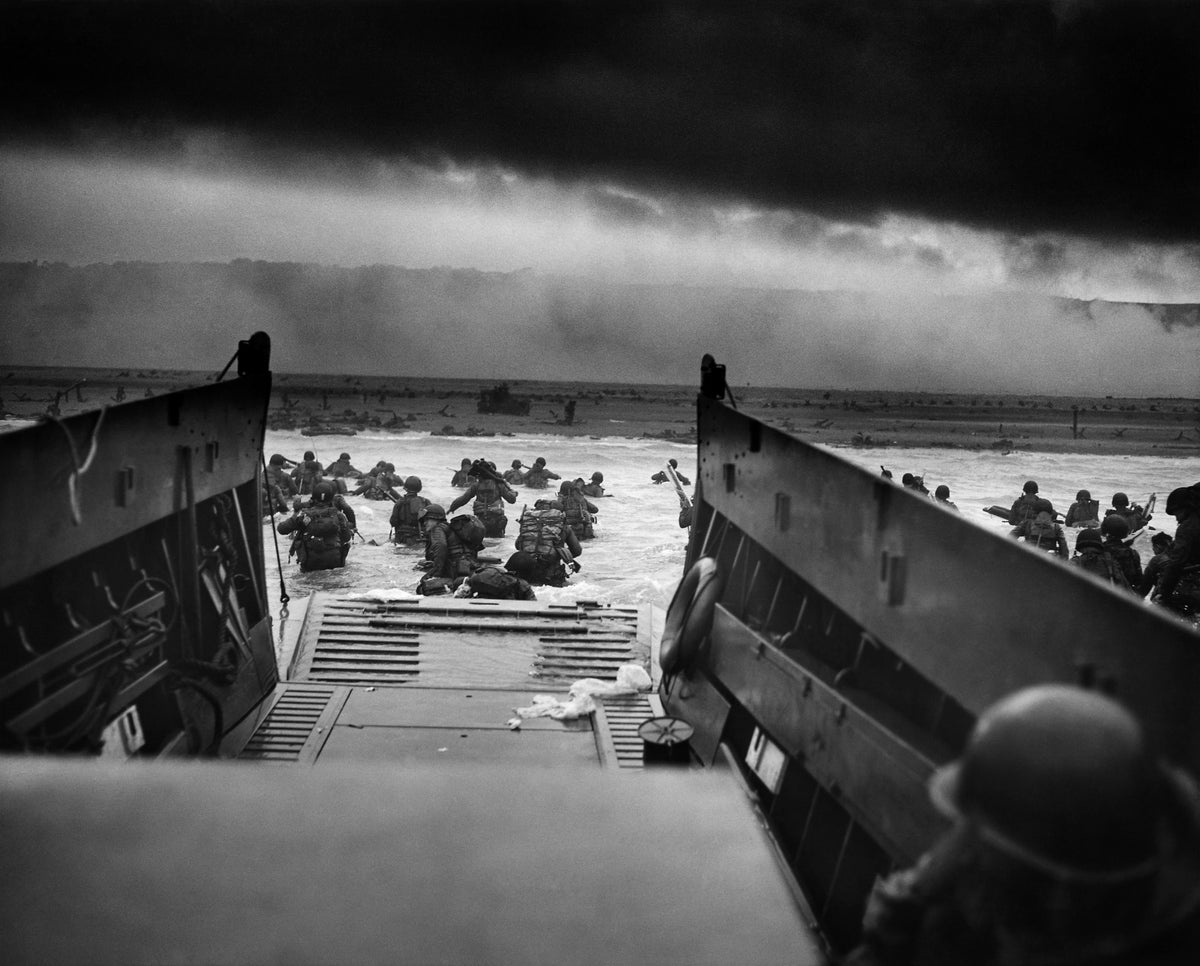
As General Dwight D. Eisenhower prepared for D-Day, he needed a forecast. The new movie Pressure shows the tense make-or-break weather prediction that led to the successful invasion of Europe that spelled the beginning of the end of World War II
If it weren’t for a weather forecast, D-Day—the largest seaborne invasion in history—would have taken place on June 5, as originally planned. And if that had happened, the invasion would have ended in disaster. Thousands of men would have been swamped by storm-whipped waves. Instead Allied forces waited a day, and the rest is history.
The story of this pivotal moment in World War II, which gave the Allies a foothold in mainland Europe and spelled the beginning of the end for Adolf Hitler’s forces, has been recounted in countless books, movies and miniseries. But one crucial ingredient in the invasion’s success—that forecast—is still little known to the broad public.
The story of that history-bending prediction is the subject of Pressure, a new movie out today. The film, adapted from a play with the same title, covers the tense, make-or-break forecasting and decision-making that happened in the 72 hours before the first troops set foot on Normandy’s beaches. It is, of course, a dramatized version of events. But the film shines a light on the underrecognized effort to gather weather data, the importance of paying attention to what the evidence showed, and the very little that separated success and defeat that day.
If you're enjoying this article, consider supporting our award-winning journalism by subscribing . By purchasing a subscription you are helping to ensure the future of impactful stories about the discoveries and ideas shaping our world today.
“D-Day hinged on the weather, and there were some people who had to make incredibly difficult decisions with what would now be considered a handful of data points,” says Catherine Ross, library and archive manager at the U.K.’s Met Office. “They had the fate of thousands of people’s lives in their hands.”
Both the Allies and the Germans went into the war understanding how crucial forecasting would be to their side’s success. Both employed meteorologists within their military structures to provide forecasts for everything from engaging in hours-long bombing raids to accurately aiming artillery.
And both sides scrambled to gather weather data from whatever sources they could, including planes, military and merchant ships, meteorological units deployed near battlefronts and regular readings taken by civilians. Later in the war, after they’d broken the Enigma code, the Allies even folded in German weather data. “They understood that the data was paramount,” Ross says. Or, as the movie’s protagonist James Stagg (played by Andrew Scott) says, “Get me the data; that’s what counts. If we’ve measured it, then I want it.”