Soybeans dominate U.S. diet, accounting for 50% of oilseed production
Soybeans have become a fundamental part of the American diet, making up over 50% of U.S. oilseed production and valued at approximately $34 billion in 2022. Their versatility and nutritional benefits…
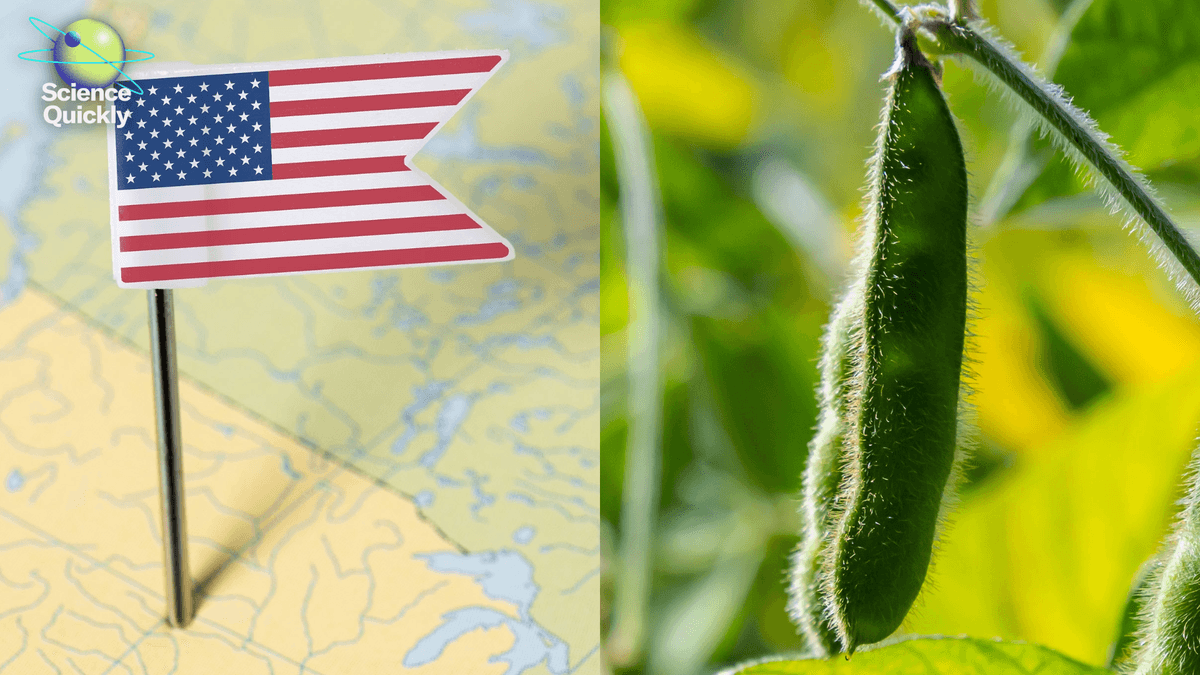
The soybean has quietly become a cornerstone of the American diet, significantly influencing food production and consumption patterns across the country. From its rise in popularity in the mid-20th century to its current role as an essential ingredient in countless processed foods, the humble soybean has transformed into a hidden powerhouse within American agriculture and cuisine.
The surge in soybean consumption can be attributed to several factors, including the crop's versatility and nutritional value. During the 1940s and 1950s, agricultural advancements and government policies encouraged farmers to grow soybeans, leading to increased availability. Health-conscious trends in the 1970s further propelled soy's popularity, as people sought plant-based protein alternatives to meat. Today, soybeans are found in everything from tofu and soy milk to salad dressings and snacks. This shift reflects broader dietary changes as Americans increasingly embrace vegetarian and vegan options.
In recent years, the soybean market has also seen significant financial growth. The U.S. is the largest producer of soybeans, with over 4 billion bushels harvested annually. In 2022, soybeans made up over 50% of all U.S. oilseed production, valued at approximately $34 billion. This economic impact extends beyond farmers to food manufacturers and consumers, as soy products are often cheaper and more accessible than many animal-based alternatives. As consumer demand for healthier and more sustainable food options rises, soybeans are likely to gain even more traction.
Looking ahead, the future of soybeans in the American diet seems bright. As climate change and environmental concerns drive the search for sustainable food sources, soybeans may play a critical role in reducing the carbon footprint of food production. Additionally, ongoing research into the health benefits of soy could further solidify its position on American plates. With its growing influence, the soybean is poised to remain a significant player in the evolution of dietary trends and agricultural practices in the years to come.
Read Full Story at Scientific American →