How to add extra Ethernet ports if your router doesn't have enough
You don't need a new router to get more Ethernet ports; the solution is much simpler. With more and more devices offering internet connectivity, running out of Ethernet ports on your router is a com…
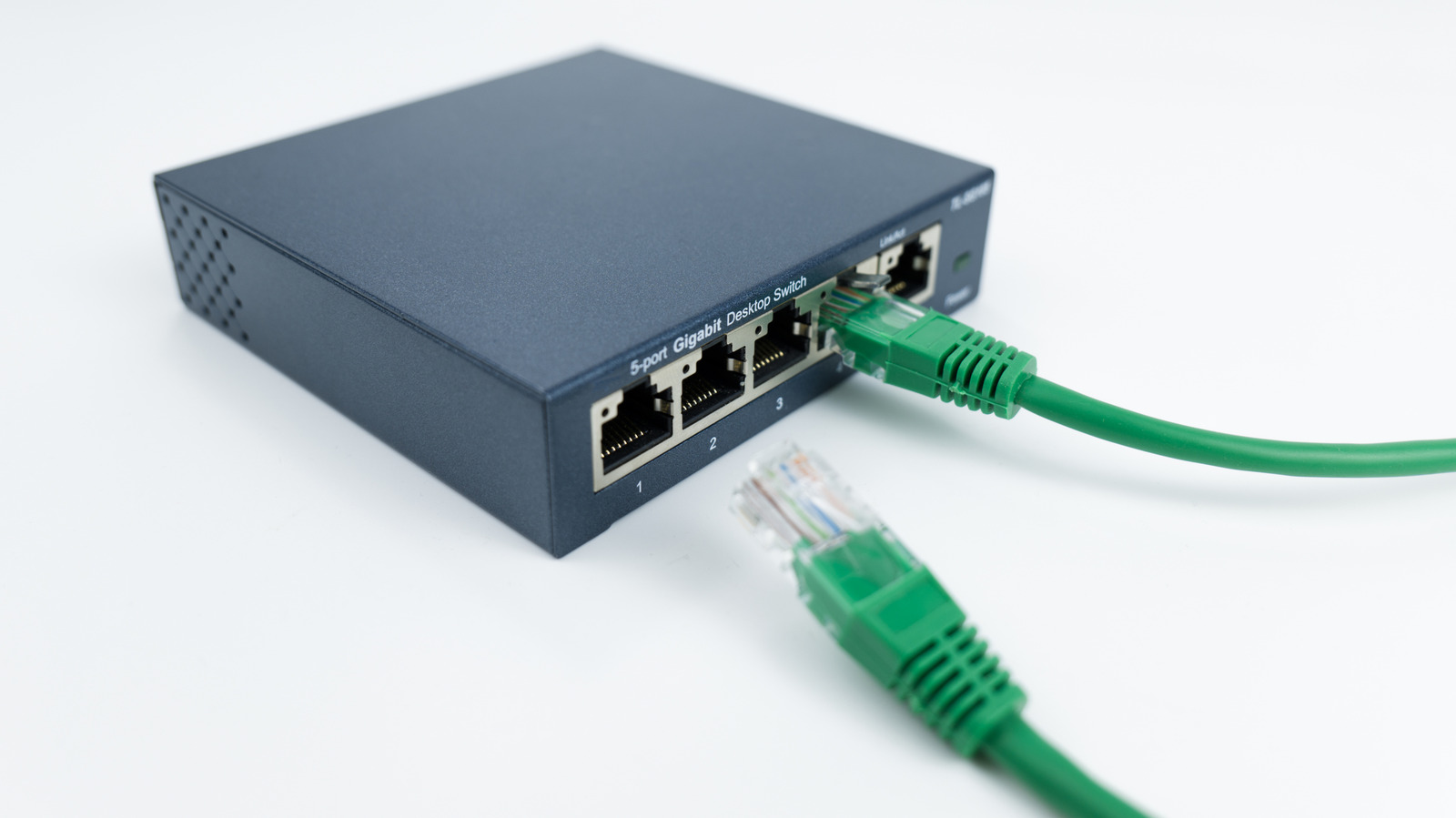
You don't need a new router to get more Ethernet ports; the solution is much simpler.
With more and more devices offering internet connectivity, running out of Ethernet ports on your router is a common frustration. A few ports aren't enough to connect your smart TV, game consoles, desktop computers, NAS drives, home office equipment and more. If you're maxed out, you might assume you need a new router, but that's not the case.
The real solution is simpler, more affordable and takes only minutes to set up: an Ethernet switch. This (often compact) plug-and-play device connects to one of your router's LAN ports and immediately expands your wired network capacity. Depending on the model, a single switch can add four, seven, 15 or even more ports to your setup — all without replacing your router or reconfiguring your network.
This matters because while Wi-Fi has improved significantly over the years , a wired Ethernet connection still delivers a better, more consistent performance for activities like online gaming, 4K streaming and large file transfers. Let's go over how Ethernet switches work and how they differ from routers, which port to use and what alternatives exist if running new cables isn't an option.
Most home routers come with four LAN ports and one WAN port . The WAN port is for connecting to your modem (if you don't have a combo unit), which leaves four for your use. Even if this was enough when you bought your router, needs can change. For instance, maybe smart TV starts buffering when you upgrade to a 4K streaming plan, so you don't want it to use Wi-Fi anymore.
If all ports are already in use, an Ethernet switch (not a splitter) will add more connections to your existing router. Then you can enjoy the full internet speed you're paying for on more of your devices, while also enabling more direct connections between devices. The switch acts as an expansion to provide more LAN ports, much like an HDMI switch or USB hub. They're most commonly sold with five, eight or 16 ports, but the usable number is one fewer since one slot connects the switch to your router.
For most people, an unmanaged switch is the way to go as they require zero setup and come at a lower cost. Managed switches have advanced features like monitoring and virtual networks, which aren't necessary when all you want is more ports.
A router's job is to direct traffic between devices on your home network and the internet. When data comes in from the outside, your router sends it to your phone, laptop or other device as needed. A basic switch doesn't do this; it simply provides more Ethernet ports for the router and makes sure data sent from devices connected to it goes to the right place. A switch doesn't replace your router or affect Wi-Fi performance.
Read Full Story at Engadget →