How to build kids’ ‘cognitive endurance’ in an age of distraction
How to build kids’ ‘cognitive endurance’ in an age of distraction The ability to run “mental marathons” is a skill children can learn through simple, but dedicated, practice By Heather Schofield & Supreet Kaur edited by Allison Parshall & Daisy Yuhas You’re halfway through a c
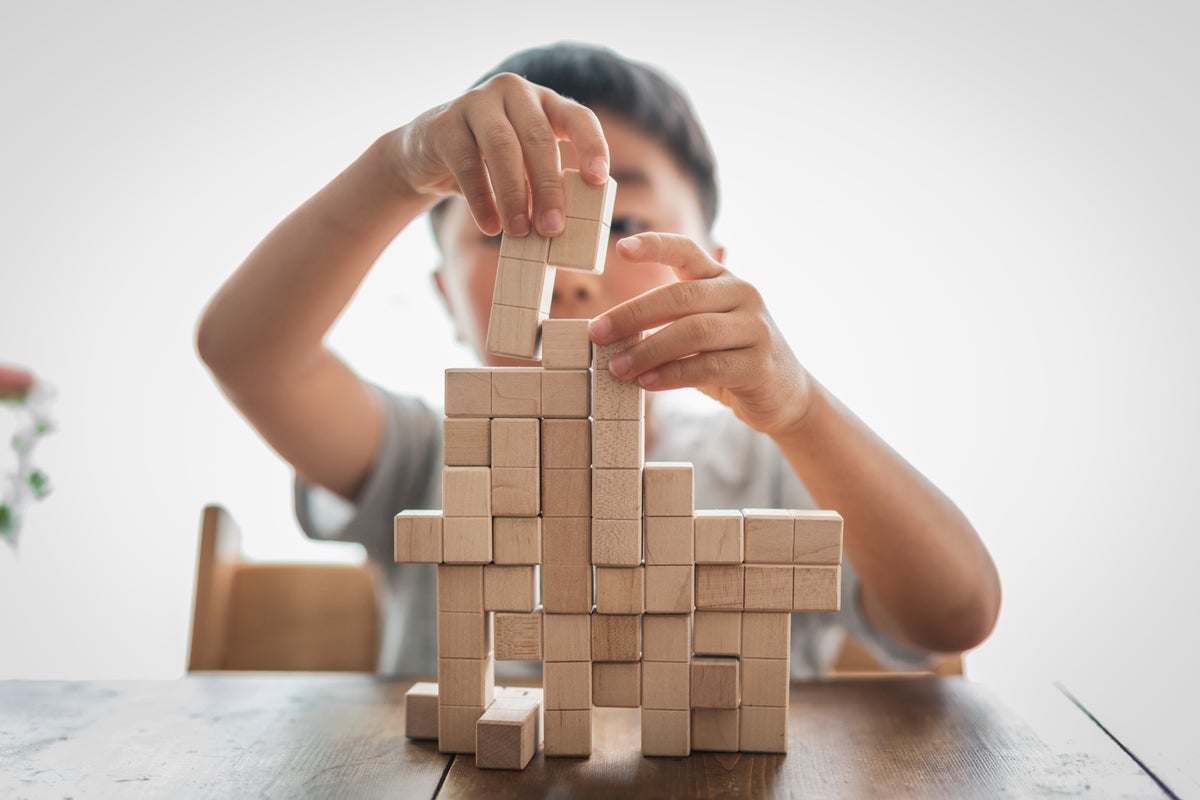
How to build kids’ ‘cognitive endurance’ in an age of distraction
The ability to run “mental marathons” is a skill children can learn through simple, but dedicated, practice
By Heather Schofield & Supreet Kaur edited by Allison Parshall & Daisy Yuhas
You’re halfway through a challenging exam when you notice your focus starting to slip. The words on the page blur together, and you find your mind wandering to what you’re going to have for dinner that night. Does that sound familiar? This mental fatigue isn’t a character flaw—it’s a universal human experience that reveals something essential about how people’s minds function.
We are behavioral scientists who study how economic circumstances shape human cognition and behavior. In a recent study of more than 1,600 children, we found that the ability to sustain mental effort over time—or “cognitive endurance”—functions much like physical stamina. Almost universally, the longer people spend on a task, the worse they perform on it. But just as athletes can train to run longer distances, kids are able to strengthen their capacity for sustained thinking through simple but dedicated practice, allowing them to continue to perform at a higher level for longer stretches of time. In an era of social media and short-form content designed to minimize mental friction and demand minimal effort, the capacity for sustained thinking may be getting less practice than ever—making it more important to understand how it develops and how it can be strengthened.
If you're enjoying this article, consider supporting our award-winning journalism by subscribing . By purchasing a subscription you are helping to ensure the future of impactful stories about the discoveries and ideas shaping our world today.
A few years ago, while we were analyzing standardized test results from around the world with our colleagues Christina Brown of the University of Chicago and Geeta Kingdon of University College London, we noticed a remarkably consistent pattern: students performed worse on questions that appeared later in exams, even after accounting for the difficulty of the questions.
This performance decline was much steeper among students from disadvantaged backgrounds. Children in poor countries showed three times the rate of performance decline compared with those in wealthy nations. This could be because disadvantaged children get fewer opportunities to train their focus. Cognitive skills generally improve with deliberate, focused and progressively more challenging training . And when looking at the activities the kids spent time on in school, we found that richer students were more likely to engage in independent focused practice by doing activities such as working through problems on their own, reading silently or concentrating on individual tasks. In contrast, students at disadvantaged schools were more likely to spend much of the day in passive activities such as listening to lectures, practicing rote memorization or copying from the board.