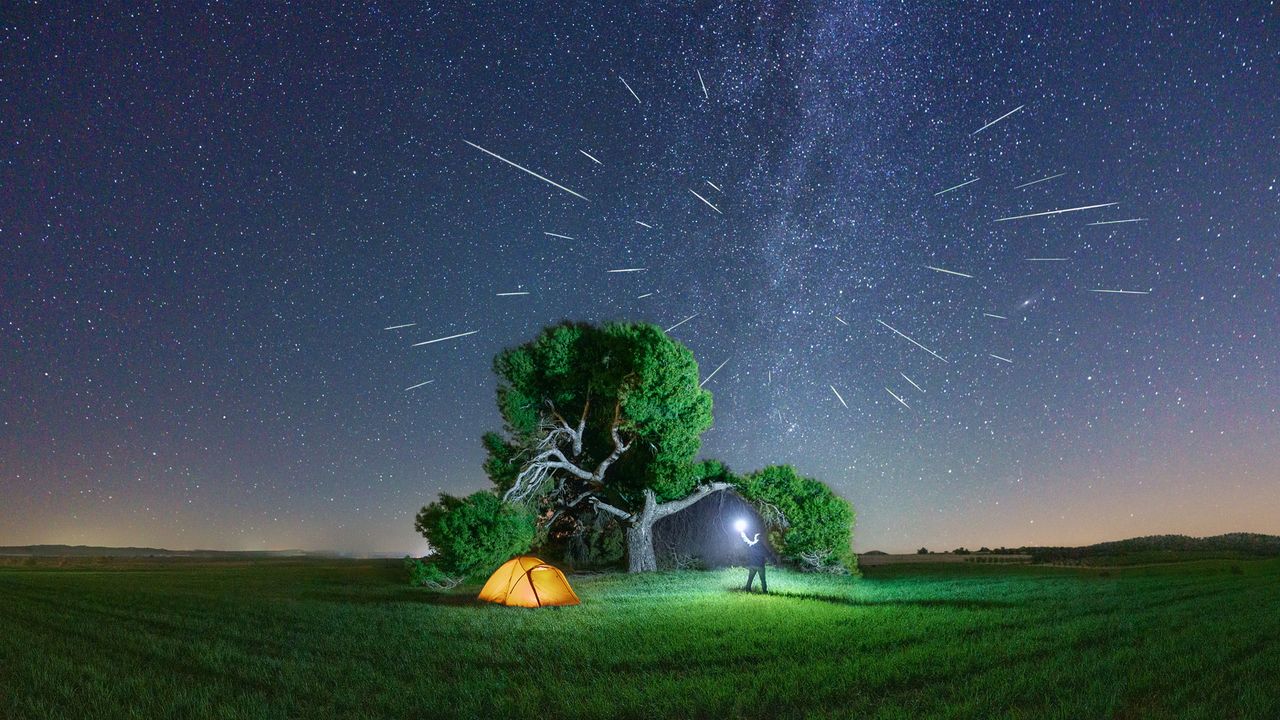
Perseid meteor shower peaks August 11–13 with up to 100 meteors
The Perseid meteor shower peaks August 11–13, with up to 100 meteors per hour visible under dark skies. This free, annual event requires no equipment, offering a rare chance to see fast, bright meteo…

The Perseid meteor shower is back, promising a dazzling light show for skywatchers across the Northern Hemisphere this summer.
The annual meteor shower peaks in mid-August, when Earth passes through the debris trail of Comet Swift-Tuttle. This year, viewing conditions are expected to be especially favorable, with a waning crescent moon providing darker skies. The Perseids are known for their bright, fast-moving meteors and frequent fireballs, making them one of the most popular annual meteor showers. They’ve been observed for over 2,000 years, with the first recorded sighting in ancient Chinese annals from 36 AD.
Astronomers say the shower typically produces 50 to 100 meteors per hour at its peak, though rates can vary depending on location and light pollution. The best viewing times are after midnight and before dawn, when the radiant point in the constellation Perseus is high in the sky. This year’s peak is expected around August 11–13, but meteors can be seen for several nights before and after.
To get the best view, experts recommend heading to a dark location away from city lights and allowing at least 30 minutes for your eyes to adjust. No special equipment is needed—just a clear sky and patience. The Perseids offer a rare chance to connect with an ancient cosmic event, reminding us of the universe’s scale and beauty. Whether you’re a seasoned stargazer or a casual observer, this year’s shower is one to mark on your calendar.
Read Full Story at Phys.org →