How to stop Roku from tracking everything you watch
You may not realize it, but your Roku is watching you. Of course, informed consumers shouldn't be overly surprised by this revelation. Whether it be your internet browser, thermostat, smart speaker o…
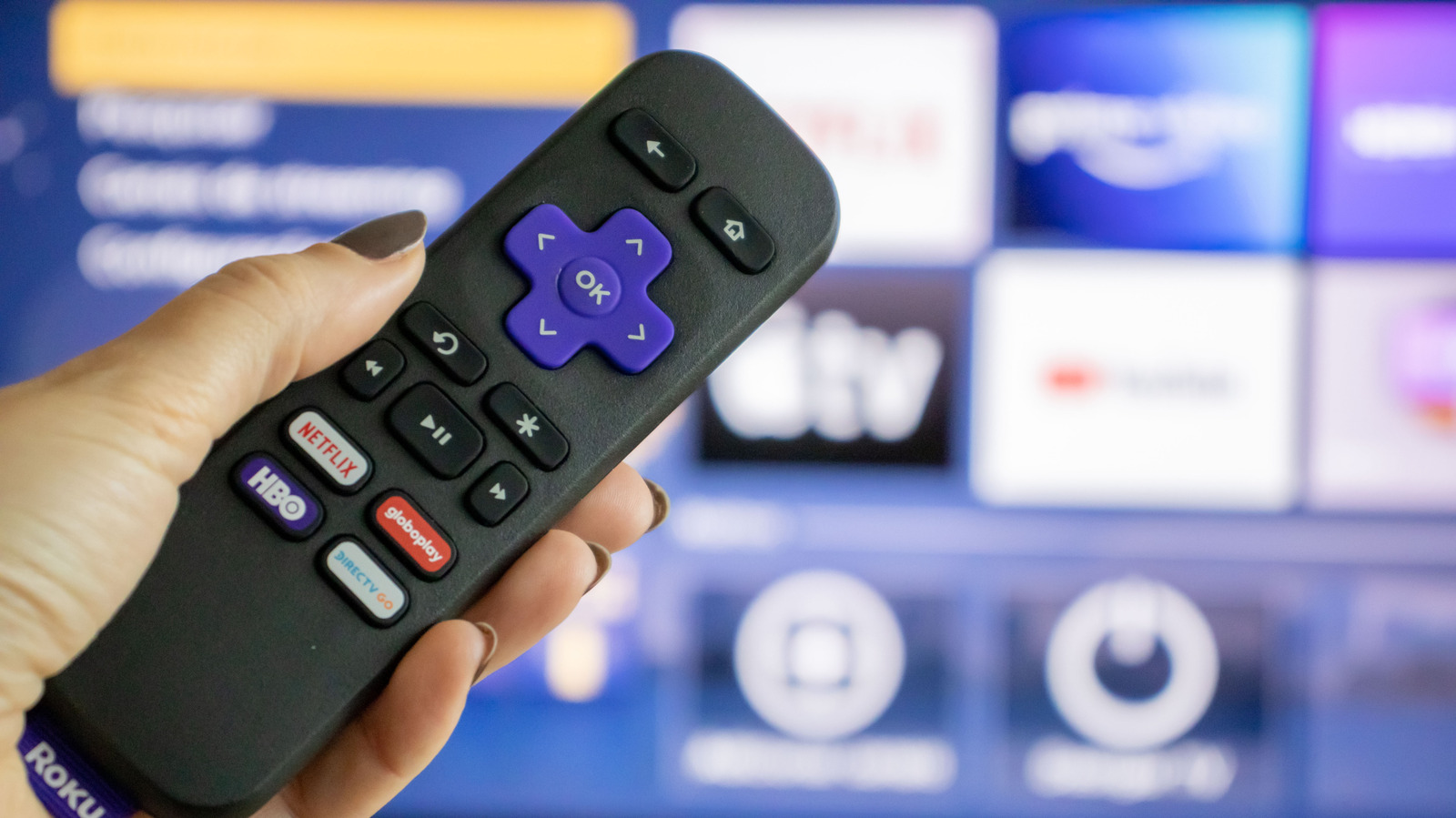
You may not realize it, but your Roku is watching you. Of course, informed consumers shouldn't be overly surprised by this revelation. Whether it be your internet browser, thermostat, smart speaker or television, an ever-widening array of companies and products are becoming dependent on collecting, processing and selling your information. Roku, to some customers' chagrin, is no different.
But while many viewers may take such policies as a matter of course, some will likely be surprised at the depth of Roku's data collection. Diving into Roku's privacy policy reveals that the company's products, including its website, streaming devices, channel and televisions, track what, when, how and where you watch your content. Of course, veterans of the algorithm-driven economy will note that social media apps have tracked your information for years, using your viewing habits to curate content, maximize performance and, yes, sell you things. But for some users, Roku's privacy policy might feel a more intimate violation of trust. While algorithmic curation is, in part, inherent to the social media experience, many like to think that their household appliances fall outside the bounds of these data-hungry business models. And while it may seem obvious that Roku would curate advertisements to their users, knowing that the big-data economy has extended to your standard household products can be a sobering realization.
Luckily, there are ways to limit Roku's data collection practices, including disabling Automatic Content Recognition, limiting personal advertising and curtailing microphone access. Depending on the state and country you live in, some customers can even request that Roku does not share their information with their advertising partners altogether. Luckily, customizing your Roku privacy settings to match your tolerance for data sharing is easy once you know where to look. Let me show you how.
Now, let's dive into Roku's privacy policy . Much of Roku's data collection efforts mirror those of other connected consumer products. For one thing, the company receives standard device information, such as the type of device you access Roku's streaming platform from, your MAC and IP addresses, operating system, Wi-Fi network name and connection, and basic Bluetooth connection information. Similar information is collected by Roku's streaming partners. If you decide to link your Roku device to a non-Roku service, to enable features like displaying your Google Photos or connecting your Alexa voice assistant, those providers will receive similar information about your Roku device.
But Roku's data collection goes far beyond these basic device details. For one thing, Roku also uses cookies, pixel tags, web beacons and other device identifiers to "collect information about your online activities over time and across different online services," including "the number of visits, which features and pages are popular, and to measure your browsing activities." This form of data collection extends to any voice-enabled features utilized while on the Roku homepage, Roku channel or connected third-party apps or devices. The same is true for the Roku Media Player, as the company will collect the metadata of picture, video and music files accessed via the application.
When streaming through websites, smart TVs, mobile apps or streaming devices, Roku and its advertising partners may also analyze information about "the content you view, the date and time of your visits, how you interact with these websites, apps and devices." Similar data collection extends to third-party channels and other streaming service providers. Roku also collects general information regarding when, where, and how an advertisement was displayed and whether you interact with the advertisement.
Once collected, Roku deploys this information for a variety of maintenance, security and advertising services. Like most connected devices, Roku uses your data to support its products, as some data collection is necessary to maintain the security and functionality of its streaming services. It also helps Roku and its partners maximize their offerings by collecting analytics and performance metrics critical to tailoring the streaming experience to its users.
But there's also an obvious downside to this form of data collection: advertising. Much of the information collected by Roku and its partners is used to feed you personalized advertisements based on the browsing history on both your Roku devices and third-party platforms, including channels, websites, mobile apps and devices. In practice, this means that Roku may help its advertising partners use your browsing history and inferred demographics to show you curated advertisements across various platforms. For instance, the company's privacy policy notes that the "ads you see on your tablet" may be "based on activities you engaged in on your Roku TV." And while this form of algorithm-driven advertising isn't unique, it's important that consumers understand how it occurs and how to limit its reach.
Read Full Story at Engadget →