Slot fired after Liverpool’s 20-loss, fifth-place collapse
Arne Slot was fired as Liverpool manager after a disastrous second season—20 defeats, a fifth-place league finish (25 points behind Arsenal), and a collapse from last year’s title win—despite securing Champions League football. His sacking highlights Liverpool’s instability post-Klopp, as the club rushes to hire Andoni Iraola to fix a squad plagued by inconsistency and tragedy.
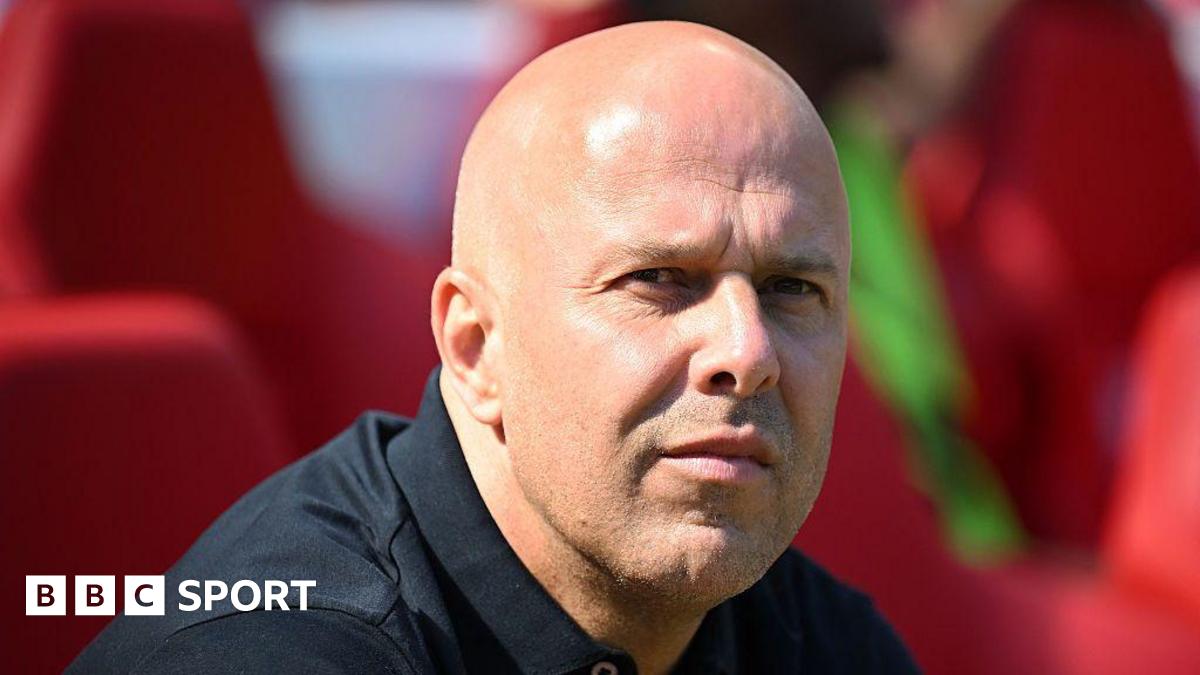
Arne Slot was sacked as Liverpool manager on Saturday after a dramatic collapse in his second season, but the Dutchman insisted he leaves the club “exactly where it belongs—among Europe’s elite” after securing Champions League football despite a dismal fifth-place Premier League finish. His dismissal caps a stunning fall from grace: just 12 months ago, Slot led Liverpool to a dominant title win in his debut campaign, ending a four-year wait for the trophy. But this season’s 20 defeats across all competitions—including a 25-point gap behind champions Arsenal—proved fatal, forcing the club’s hierarchy to act. Talks with former Bournemouth boss Andoni Iraola, known for his high-energy style, are already underway as Liverpool scramble to reset before next season.
Slot’s emotional open letter to fans revealed the weight of his short but turbulent tenure. He called last year’s title “an important chapter in Liverpool’s history,” made sweeter by supporters finally celebrating in person after COVID-19 robbed them of the 2020 triumph. Yet this season’s struggles overshadowed that high, with Slot acknowledging the club’s demand for “the biggest honours” as non-negotiable. His tribute to Diogo Jota, the forward killed in a pre-season car crash, underscored the personal toll of a campaign marred by tragedy and underperformance. Even so, Slot’s parting shot—that he leaves the squad’s “foundations” intact—hints at the raw potential Liverpool’s next manager will inherit, including a Champions League lifeline that softens the blow of their league implosion.
The sacking exposes deeper cracks at Anfield. Slot’s first season suggested a seamless transition from Jürgen Klopp’s era, but his inability to sustain momentum has left Liverpool at a crossroads. Fifth place—their worst finish since 2016—raises questions about squad depth, tactical flexibility, and the pressure of following a legend like Klopp. Iraola, if appointed, will face immediate scrutiny: can he restore the relentless intensity that defined Klopp’s peak years, or will Liverpool’s decline accelerate? With rivals Manchester City and Arsenal pulling ahead, the next hire isn’t just about recovery—it’s about reclaiming relevance in a Premier League arms race where standing still means falling behind.
For Slot, the exit is bittersweet. His letter drips with gratitude for fans who “made me feel welcome from the start,” a nod to the unique bond between Liverpool’s supporters and their managers. Yet football’s brutality is clear: a title-winning coach can become collateral damage in less than a year. As the club turns the page, the real test begins. Champions League football buys time, but without swift answers to this season’s failures, Liverpool risk slipping from “Europe’s elite” to also-rans—something Slot’s successor will ignore at their peril.