Iceland’s EU vote: A nation divided over Europe
The white church stands alone in the Icelandic countryside. Wind sweeps across the Hvalfjord. Kristjan Ingolfsson, a retired bishop, lives here beside Hallgrimskirkja church in Saubaer, surrounded by…
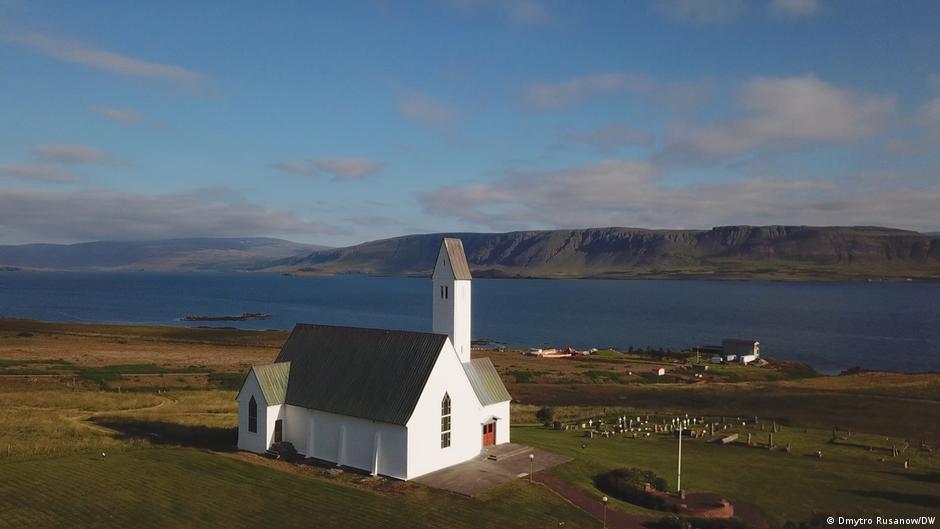
The white church stands alone in the Icelandic countryside. Wind sweeps across the Hvalfjord. Kristjan Ingolfsson, a retired bishop, lives here beside Hallgrimskirkja church in Saubaer, surrounded by silence and vast open landscapes.
But far from this quiet corner of western Iceland , the debate over Europe is heating up. At the end of August, voters will decide whether to reopen accession talks with the European Union . The referendum is not about joining the EU immediately, but about restarting negotiations that were suspended more than a decade ago.
"[Icelandic] people are a bit different to the mainland folks, who always have to think about borders. We have no border, just the sea all around," Kristjan Ingolfsson says.
"That gives a specific feeling of freedom. And I believe that's also part of the whole discussion, that people want to be free."
Whether campaigning for or against closer ties with Brussels, many Icelanders frame the debate around the same ideas: freedom, independence, and sovereignty.
At the headquarters of the pro-European group in the capital, Reykjavik, supporters are celebrating the official launch of the campaign. The small office is packed, with volunteers spilling onto the pavement in the afternoon sun. Young people mingle with pensioners. A DJ provides music while beer and soft drinks are kept chilled in ice buckets.
At the center of it all is Snaeros Sindradottir, executive director of the 'Yes' campaign. The 34-year-old mother normally runs an art gallery, but that work is now on hold. Instead, she spends her days campaigning for a closer relationship with Europe.
The referendum is taking place at a time of growing geopolitical uncertainty . US President Donald Trump 's threats toward neighboring Greenland have become part of Iceland's debate over Europe, says Snaeros Sindradottir.
Read Full Story at DW World →