Stanford researchers find immune cells infiltrate aging brains, transform into microglia
Stanford researchers found that immune cells from the bloodstream can enter the aging brain and transform into microglia, challenging the belief that these cells are only present from embryonic devel…
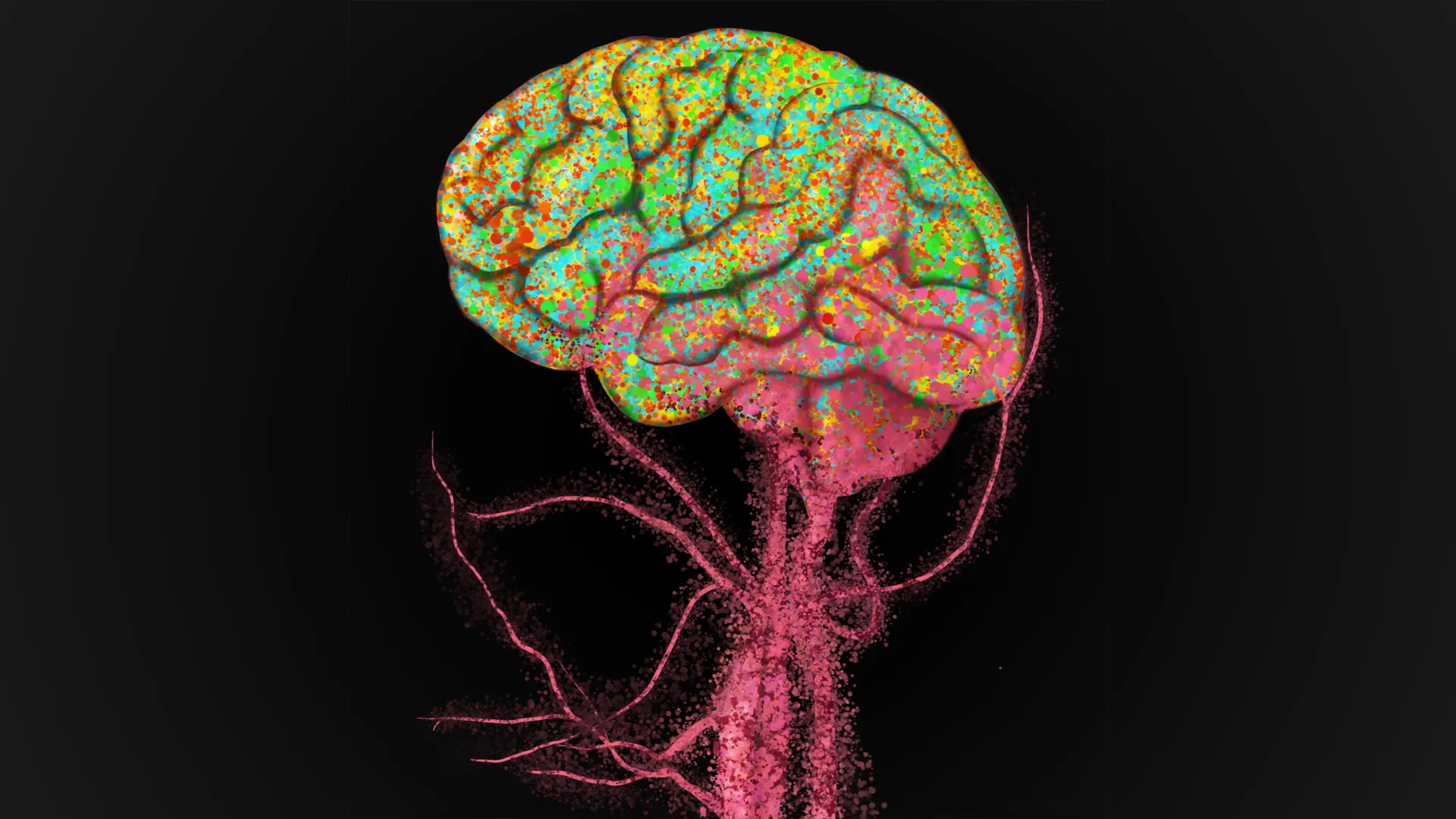
Stanford researchers have shown that immune cells from the bloodstream begin flooding the human brain as early as middle age, where they can turn into microglia, the brain’s own immune cells. The discovery was made by a team studying brain tissue from donors aged 45 to 90 and tracking the movement of peripheral immune cells into the central nervous system. Their data reveal that the blood‑brain barrier is more permeable to immune cells in older adults than previously thought.
The finding overturns a long‑standing belief that the brain is largely isolated from the body’s immune system throughout life. For decades scientists thought microglia were seeded during embryonic development and remained self‑sustaining. However, the new study shows that peripheral monocytes can cross into the brain and differentiate into microglia‑like cells. This shift in understanding is timely, given the rising prevalence of age‑related neurodegenerative conditions such as Alzheimer’s disease.
The researchers quantified the influx of immune cells using advanced imaging and single‑cell sequencing. They found that, on average, 15–20% of the brain’s immune cell population in individuals over 60 was derived from the blood. These peripheral cells exhibit markers of inflammation and can produce pro‑inflammatory cytokines. In younger brains, the proportion of blood‑derived microglia is less than 5%. The study also linked higher levels of circulating immune cells to markers of neuroinflammation in older donors, suggesting a possible mechanism for the increased vulnerability to neurodegeneration.
If these results hold up in larger studies, they could open new avenues for treating age‑related brain disorders. Targeting the migration of peripheral immune cells or modulating their activity might reduce harmful inflammation in the aging brain. The findings also call for a re‑examination of how systemic health—such as obesity, diabetes, or chronic infections—affects brain aging. Future research will need to determine whether limiting blood‑brain barrier permeability or altering peripheral immune cell function can slow or prevent cognitive decline in older adults.
Read Full Story at ScienceDaily →