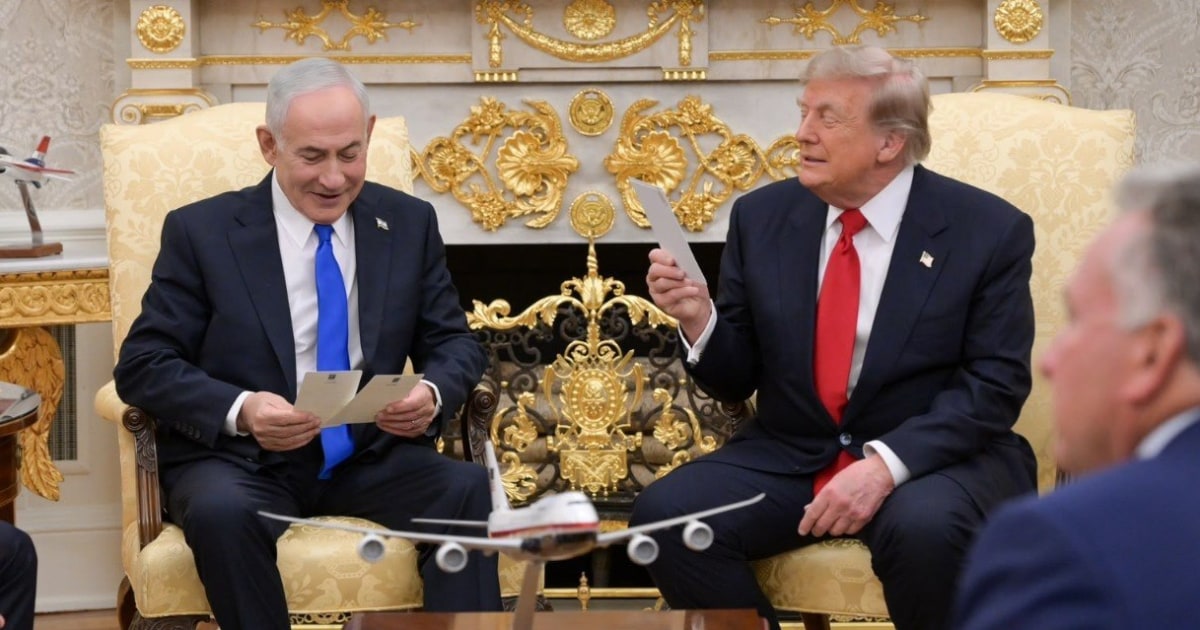
Jared Kushner urges Netanyahu to accept US-backed Gaza ceasefire plan
Jared Kushner met with Israeli Prime Minister Netanyahu to push for a US-backed ceasefire plan for Gaza, despite Netanyahu's previous rejection. This meeting highlights increasing tensions between th…

Jared Kushner, the former US presidential advisor and current special envoy for the Middle East, met with Israeli Prime Minister Benjamin Netanyahu in Jerusalem on Monday to press for approval of a US-backed ceasefire roadmap in Gaza. This high-stakes diplomatic visit comes just days after Netanyahu publicly rejected the proposed framework, creating a significant rift between Washington and Jerusalem at a critical juncture in the conflict. The meeting marks an intensification of US efforts to bridge the widening gap between the Israeli government’s military objectives and the international community’s growing demand for a permanent halt to hostilities. By engaging directly with the Israeli leader, Kushner aims to persuade Netanyahu that accepting the roadmap is not only a diplomatic necessity but also a strategic imperative for securing long-term stability and meeting immediate humanitarian goals. The discussion underscores the Trump administration’s reliance on personal diplomacy and backchannel negotiations to achieve breakthroughs where formal diplomatic channels have stalled.
The urgency of these talks stems from the deteriorating situation on the ground and the mounting pressure from allies and domestic constituencies. The US-proposed roadmap outlines a phased approach to ending the war, including the release of hostages, a ceasefire, and the withdrawal of Israeli forces from populated areas in Gaza. However, Netanyahu has resisted the plan, citing security concerns and insisting that the war will continue until Hamas is dismantled and all hostages are returned. This stance has drawn sharp criticism from the Biden administration’s predecessors and current officials alike, who argue that prolonged conflict risks radicalizing the region, straining US resources, and isolating Israel diplomatically. The rejection of the roadmap has also heightened tensions within the Israeli cabinet, where voices for a ceasefire have grown louder amidst public fatigue and legal challenges facing the prime minister. Kushner’s intervention reflects a broader US strategy to leverage its influence over Israel’s ally to prevent further escalation and ensure that any military action remains aligned with broader regional stability goals.
Kushner’s trip to Jerusalem follows closely on the heels of his meeting with Hamas political leader Ismail Haniyeh in Egypt, signaling a dual-track diplomatic effort to engage both sides of the conflict. By speaking directly with Hamas leaders, the US negotiator sought to understand their conditions for a ceasefire and to convey Washington’s expectations for cooperation. This simultaneous engagement highlights the complexity of the negotiations, which require balancing the security demands of Israel with the political realities faced by Hamas and the humanitarian needs of Gaza’s civilians. The US administration views these direct talks as essential to building trust and verifying commitments, even as it faces skepticism from Israeli hardliners who view any engagement with Hamas as legitimizing a terrorist organization. The figures involved in these negotiations, including top officials from the State Department and the Pentagon, are working around the clock to fine-tune the details of the roadmap, focusing on monitoring mechanisms, prisoner exchange logistics, and post-ceasefire governance arrangements.
The outcome of these negotiations will have profound implications for the future of the Israel-Hamas conflict and the broader Middle East. If Netanyahu agrees to the roadmap, it could lead to a temporary or permanent ceasefire, allowing for much-needed humanitarian aid to reach Gaza and providing a window for diplomatic efforts to address the root causes of the conflict. Conversely, a continued refusal could result in further international isolation for Israel, potential sanctions, and an escalation of violence that threatens to draw in other regional actors. The coming weeks will be critical as diplomats from various nations, including Egypt, Qatar, and European powers, coordinate with the US to ensure that any agreement is sustainable and enforceable. For the people of Gaza and Israel, the stakes could not be higher, as the failure of diplomacy risks prolonging suffering and deepening the cycle of violence that has defined the region for decades. The world watches closely to see if personal diplomacy can achieve what formal negotiations have failed to deliver.
Read Full Story at France 24 →