Weimar festival revives Yiddish culture with music and theater
The Weimar Yiddish Festival, Europe’s largest, celebrates and revives Yiddish culture through music, theater, and language classes, countering its Nazi-era near-destruction. It reflects Germany’s rec…
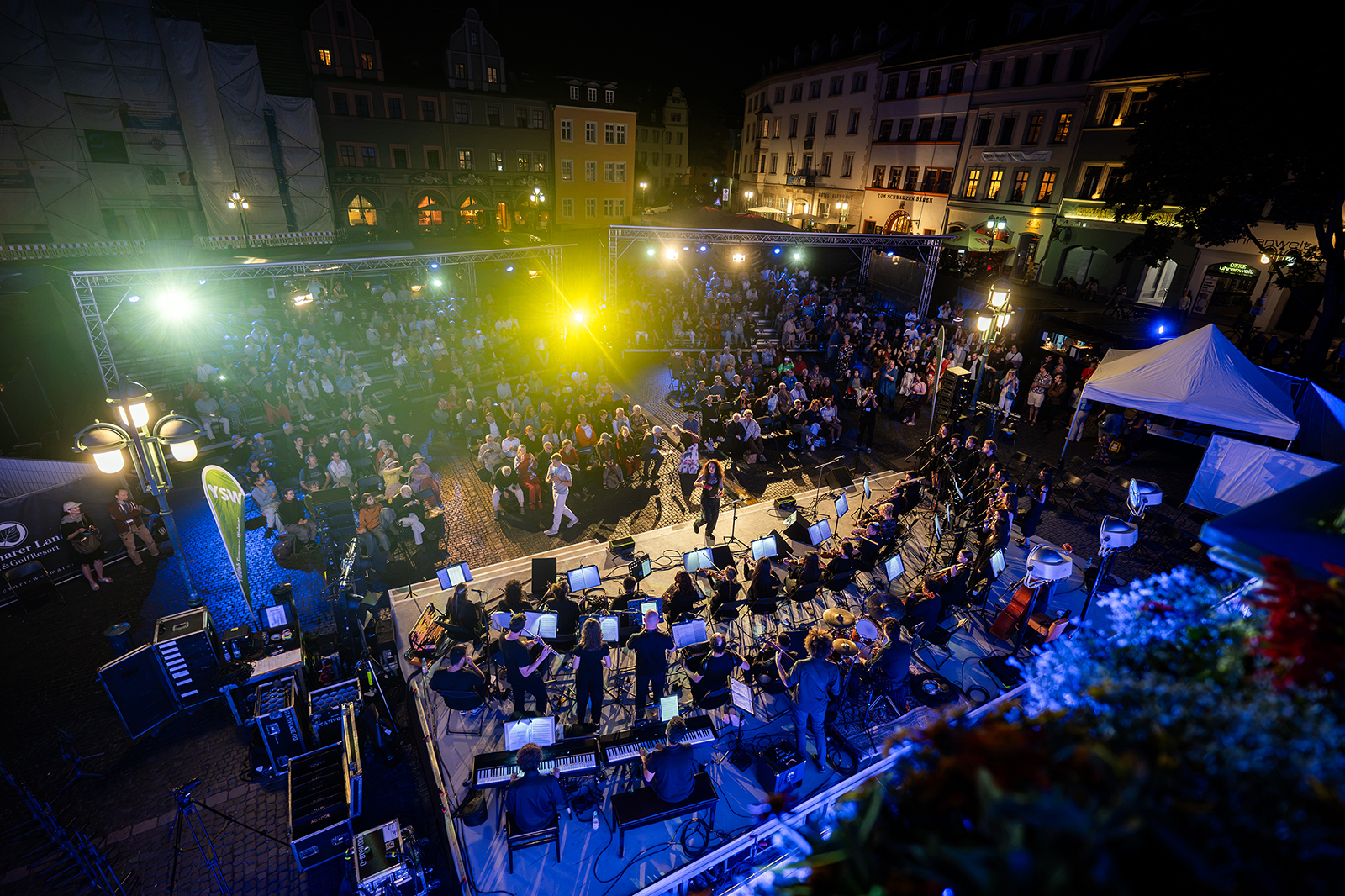
The Weimar Yiddish Festival in central Germany has evolved from a modest weekend workshop into the largest gathering of its kind in Europe, serving as a vital cultural anchor for a language and heritage once systematically erased from the continent. What began decades ago as an intimate effort by scholars and community leaders to keep Yiddish alive has now attracted thousands of participants, performers, and scholars from around the world to the historic city known for its deep literary traditions. This transformation marks a significant shift in how European societies engage with Jewish cultural history, moving beyond solemn remembrance of the Holocaust toward active celebration and reinvention of living traditions. The festival now features a diverse program that includes traditional klezmer music, contemporary theater, academic lectures, and language immersion classes, drawing both native speakers and curious newcomers who seek to understand the rich, polyphonic nature of Ashkenazi Jewish life before World War II.
The resurgence of interest in Yiddish culture in Weimar is deeply tied to Germany’s ongoing reckoning with its Nazi past and the broader European desire to recover lost cultural diversity. Yiddish, a High German dialect mixed with Hebrew, Aramaic, and Slavic influences, was once the lingua franca of millions of Jews in Eastern and Central Europe. The Nazi regime viewed Yiddish as a symbol of Jewish identity and sought to destroy it alongside its speakers, leading to the near-total extinction of the language in its traditional heartlands. In recent years, however, a new generation of artists, musicians, and activists has begun to reclaim Yiddish not just as a historical artifact, but as a dynamic medium for contemporary expression. This revival is part of a larger trend across Europe where cities are investing in cultural diplomacy and heritage tourism to foster social cohesion and historical awareness. Weimar, with its strong association with German literature and philosophy, provides a particularly resonant backdrop for this work, allowing visitors to connect the dots between the Enlightenment ideals of the past and the multicultural realities of the present.
The festival’s growth reflects both institutional support and grassroots enthusiasm, with funding from state cultural agencies and private foundations helping to expand its reach and impact. Local organizers have worked closely with international partners to ensure that the event remains inclusive and accessible, offering free workshops and discounted tickets for students and young people. This strategic approach has helped to build a sustainable community around Yiddish culture, ensuring that the festival does not remain a niche academic exercise but becomes a vibrant public celebration. Attendees often speak of the profound emotional impact of hearing Yiddish spoken aloud in a public space, a sound that was deliberately silenced for generations. The presence of young performers and speakers is particularly notable, signaling a successful transmission of cultural knowledge to younger generations who are eager to explore their roots or simply engage with a unique artistic tradition.
Looking ahead, the festival plans to introduce new digital initiatives to reach global audiences who cannot travel to Weimar, including online archives and virtual performances. These efforts aim to preserve the festival’s content for future study while expanding its educational impact. The continued success of the Weimar Yiddish Festival demonstrates that cultural memory can be a powerful tool for healing and connection, offering a model for other communities seeking to preserve endangered languages and traditions. As Europe continues to grapple with issues of identity, migration, and historical responsibility, events like this one provide a crucial space for dialogue and understanding. The festival’s evolution from a small workshop to a major international event underscores the enduring power of culture to transcend political boundaries and historical trauma, offering a hopeful vision of a future where diverse voices are celebrated rather than suppressed.
Read Full Story at Religion News Service →