Iran after Khamenei: A new order takes shape
The Islamic Republic of Iran is entering a new political era as Iranians on Thursday prepared to bury their slain Supreme Leader Ayatollah Ali Khamenei in his hometown of Mashhad in northeastern Iran.
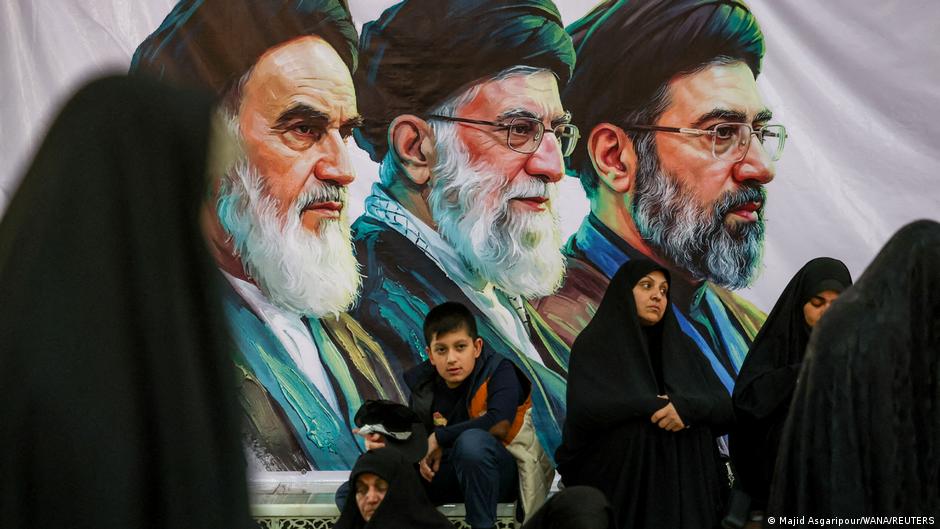
The Islamic Republic of Iran is entering a new political era as Iranians on Thursday prepared to bury their slain Supreme Leader Ayatollah Ali Khamene
Read Full Story at DW World →Why This Matters
The death of Ayatollah Ali Khamenei marks the end of a four-decade era in Iran, forcing a reckoning with the regime’s long-term stability and the generational shift in its power structures. This transition tests whether the Islamic Republic can adapt to leadership changes without fracturing, especially as younger Iranians increasingly question the system’s legitimacy. The event also reshapes regional dynamics, sending ripples through proxy networks and adversarial relationships with the West.
Background Context
Khamenei’s rule since 1989 was defined by a delicate balance between hardline factions and pragmatic conservatives, all while maintaining the Supreme Leader’s near-absolute authority over military, judicial, and economic levers. His tenure saw the expansion of Iran’s regional influence through groups like Hezbollah and the Houthis, but also chronic domestic unrest, from the 2009 Green Movement to the 2022-23 women-led protests. The succession process is unlikely to be democratic, given the opaque nature of the Assembly of Experts, the clerical body tasked with naming his successor.
What Happens Next
The immediate priority will be consolidating power behind a chosen successor, likely to avoid power vacuums that could embolden reformists or hardline dissidents. Regional actors like Saudi Arabia and Israel will closely monitor the transition, gauging Iran’s long-term strategy in conflicts such as Gaza and Yemen. Domestically, the regime may tighten controls to suppress dissent, but economic pressures—especially sanctions and misaligned oil revenues—could still fuel instability.
Bigger Picture
Khamenei’s death accelerates a broader crisis of authority in theocratic systems, where aging leaders struggle to govern amid generational divides and technological disruptions. Iran’s succession struggle reflects a wider pattern in the Middle East, where entrenched regimes face growing pressure to either reform or double down on repression. The outcome will influence whether the Islamic Republic’s model of governance survives or evolves under new leadership.