Iran closes Strait of Hormuz over ceasefire violations, state media reports
Iran said it has closed the Strait of Hormuz over ceasefire violations, citing Israeli strikes on southern Lebanon, according to state media. U.S. Central Command released a statement stating that 55
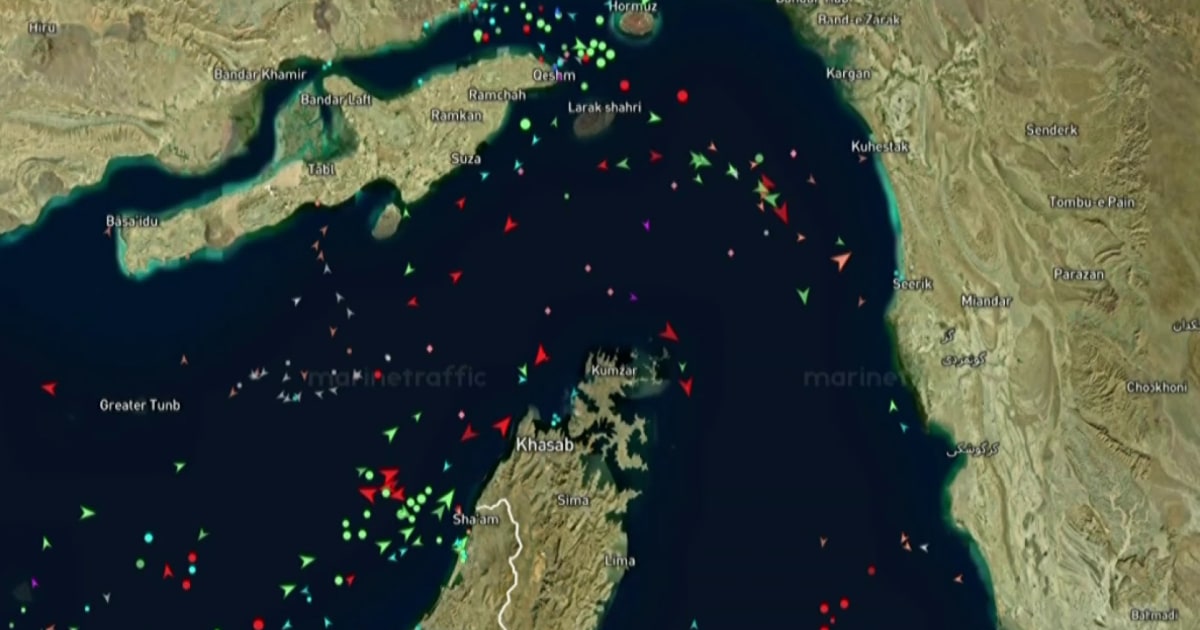
Iran said it has closed the Strait of Hormuz over ceasefire violations, citing Israeli strikes on southern Lebanon, according to state media. U.S. Cen
Read Full Story at NBC News →Why This Matters
The Strait of Hormuz closure isn’t just a regional flashpoint—it’s a global economic chess move. With 20% of the world’s oil passing through this chokepoint daily, Iran’s move risks triggering energy market volatility that could ripple across industries from shipping to manufacturing. The timing amplifies the stakes, as it coincides with heightened tensions in the Red Sea and Black Sea, forcing nations to confront the fragility of their supply chains in an already strained geopolitical landscape.
Background Context
Historically, Iran has used the Strait of Hormuz as a pressure point during past crises, most notably in 1988 when it mined the waterway during the Iran-Iraq War. The 2019 tanker seizures and drone attacks underscored Tehran’s willingness to weaponize maritime choke points. Economically, the strait’s closure would force a rerouting of vessels around Africa, adding weeks to transit times and billions in fuel costs, while testing the resilience of Gulf states dependent on stable oil exports.
What Happens Next
The immediate risk isn’t just commercial—it’s a test of U.S. and allied deterrence. If Iran follows through with a full closure, expect retaliatory airstrikes or cyberattacks targeting Iranian oil infrastructure, which could escalate into a broader confrontation. Diplomatically, the move could fracture already strained GCC-Iran relations, especially if regional states like Saudi Arabia or the UAE are forced to pick sides or absorb economic fallout.
Bigger Picture
This isn’t an isolated incident but part of a wider pattern of maritime coercion by Iran, mirroring tactics used by China in the South China Sea and Russia in the Black Sea. As global powers pivot toward protecting critical trade routes, the Strait of Hormuz closure signals a new era of "gray zone" warfare where economic leverage replaces traditional military engagement. The long-term risk? A world where chokepoints become battlegrounds for economic warfare, rewriting the rules of international trade.





