Iran: From clerical rule to military capture
Iran analysts are debating whether the Islamic Republic is on the verge of a historic transition — from a theocratic system to one in which the military holds real power. Iran's Islamic Revolutionary Guard Corps (IRGC) — a force originally established in 1979 to protect the Isla
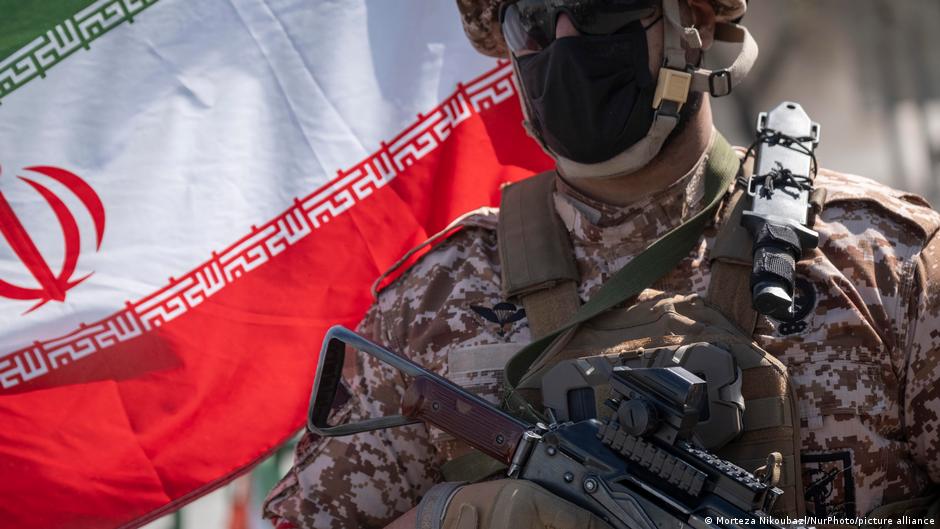
Iran analysts are debating whether the Islamic Republic is on the verge of a historic transition — from a theocratic system to one in which the military holds real power.
Iran's Islamic Revolutionary Guard Corps (IRGC) — a force originally established in 1979 to protect the Islamic revolution — has morphed from a military faction into a vast economic and political empire.
The IRGC, through affiliated companies, commands roughly half of Iran's oil wealth , according to estimates, as well as sprawling interests in construction, telecommunications, and export industries worth billions of dollars.
The transformation has been decades in the making — but the Iran war has dramatically accelerated it.
"Although, in the context of the state of emergency that has taken shape since the outbreak of the war on February 28, 2026, the country's strategic and operational command has officially been handed over to war headquarters and top generals," said Faraj Sarkohi, a Germany-based political analyst and author.
"This by no means signifies a transformation of the system into a pure military dictatorship," Sarkohi told DW. "This is because one of the main foundations of this rule remains the institution of Velayat-e Faqih, the official Islamic doctrine, and the clergy as the representative of that doctrine."
Following the killing of Supreme Leader Ali Khamenei in an Israeli attack on February 28, Iran's Assembly of Experts, reportedly under pressure from the Revolutionary Guard, appointed his son Mojtaba as the new supreme leader.
To view this video please enable JavaScript, and consider upgrading to a web browser that supports HTML5 video