Iran official says Trump is stalling talks with ‘excessive demands’
Iran accused Trump of stalling talks by demanding too much in a potential ceasefire deal, while Trump delayed a decision after a White House meeting. The delay raised oil price uncertainty amid stalled negotiations over Iran's sanctions relief and nuclear curbs.
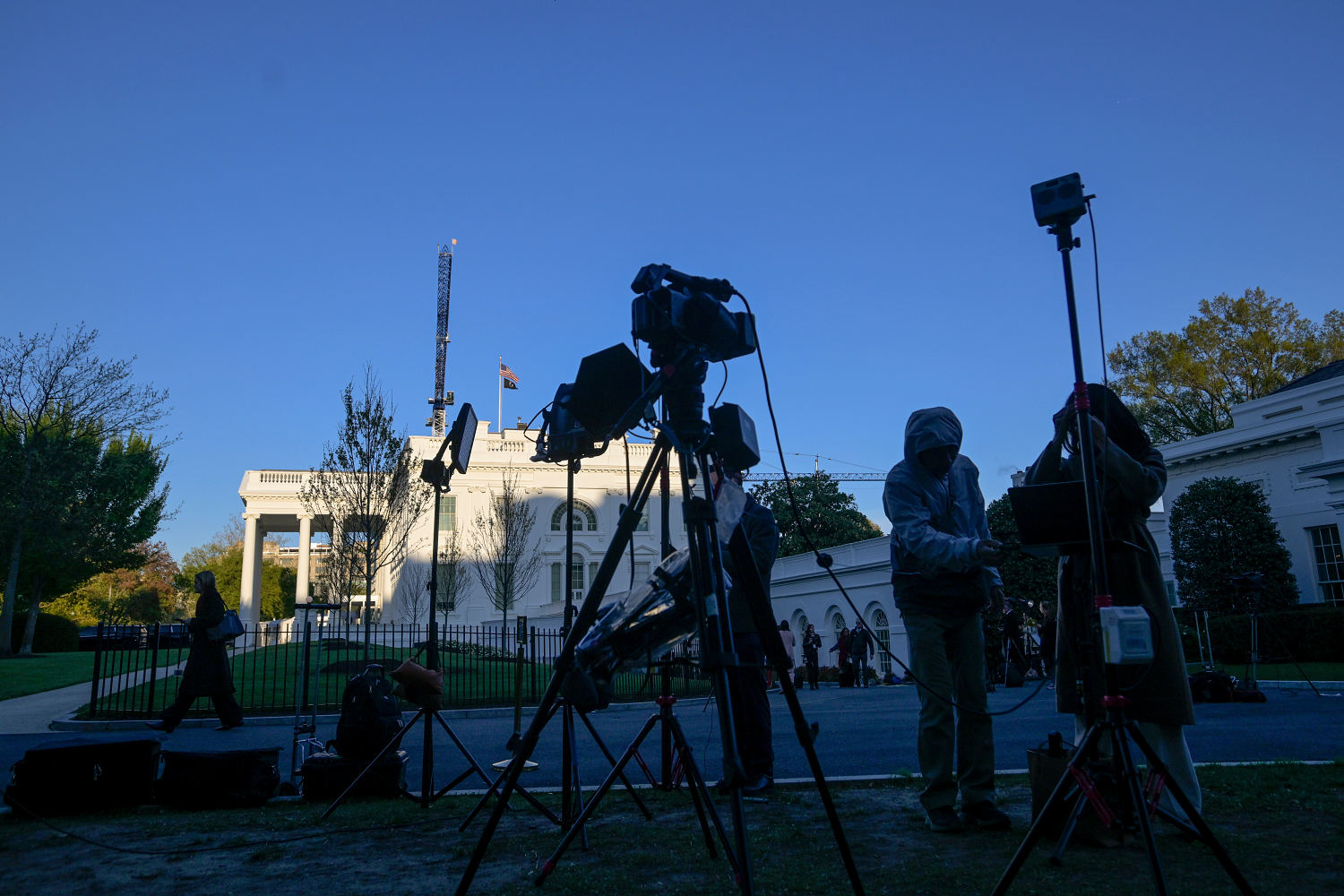
The Trump administration’s prolonged indecision over whether to revive a temporary ceasefire agreement with Iran has drawn sharp criticism from Tehran, where an official accused the U.S. president of stalling negotiations through a series of excessive demands. In a statement on Friday, following a high-level meeting in the White House Situation Room, President Donald Trump said he would make a “final determination” on the proposed deal, yet no announcement was forthcoming. The delay has contributed to a modest dip in global oil prices this week, reflecting market uncertainty over whether diplomatic progress might soon ease tensions in the Middle East.
The proposed agreement would extend the current lull in hostilities between the two nations, which has held for more than a month despite the absence of formal diplomatic relations. Talks have repeatedly faltered over Iran’s insistence on sanctions relief and Washington’s insistence on stricter curbs on Tehran’s nuclear and regional activities. These demands have intensified since Iran resumed uranium enrichment to near weapons-grade levels in response to the U.S. withdrawal from the 2015 nuclear deal in 2018. Analysts warn that further delays risk unraveling the fragile ceasefire, potentially triggering a new cycle of escalation.
Recent weeks have seen a flurry of indirect diplomacy, including messages relayed via European intermediaries and regional partners such as Qatar and Oman. Saudi Arabia, a key U.S. ally, has signaled cautious support for any deal that de-escalates regional tensions, while Israel has warned against lifting sanctions without stronger guarantees on Iran’s military posture. The standoff comes as Iran prepares for presidential elections in June, where hardliners are expected to gain ground if current tensions persist. Meanwhile, global energy markets remain sensitive to any sign of a breakthrough—or breakdown—that could disrupt oil supplies from the Persian Gulf.
For now, the impasse underscores the fragile nature of diplomacy in one of the world’s most volatile regions. With neither side willing to concede on core demands, the risk of miscalculation grows. The outcome of Trump’s deliberations will not only shape the trajectory of U.S.-Iran relations but could also determine whether a broader de-escalation in the Middle East becomes possible—or whether the region lurches back toward confrontation.