Iran dismisses Trump's Strait of Hormuz claim as delusional
Iran dismissed Trump’s claim that the Strait of Hormuz is US territory as a delusion. This rejection heightens regional tensions, threatening global oil supplies and risking a Middle East crisis.
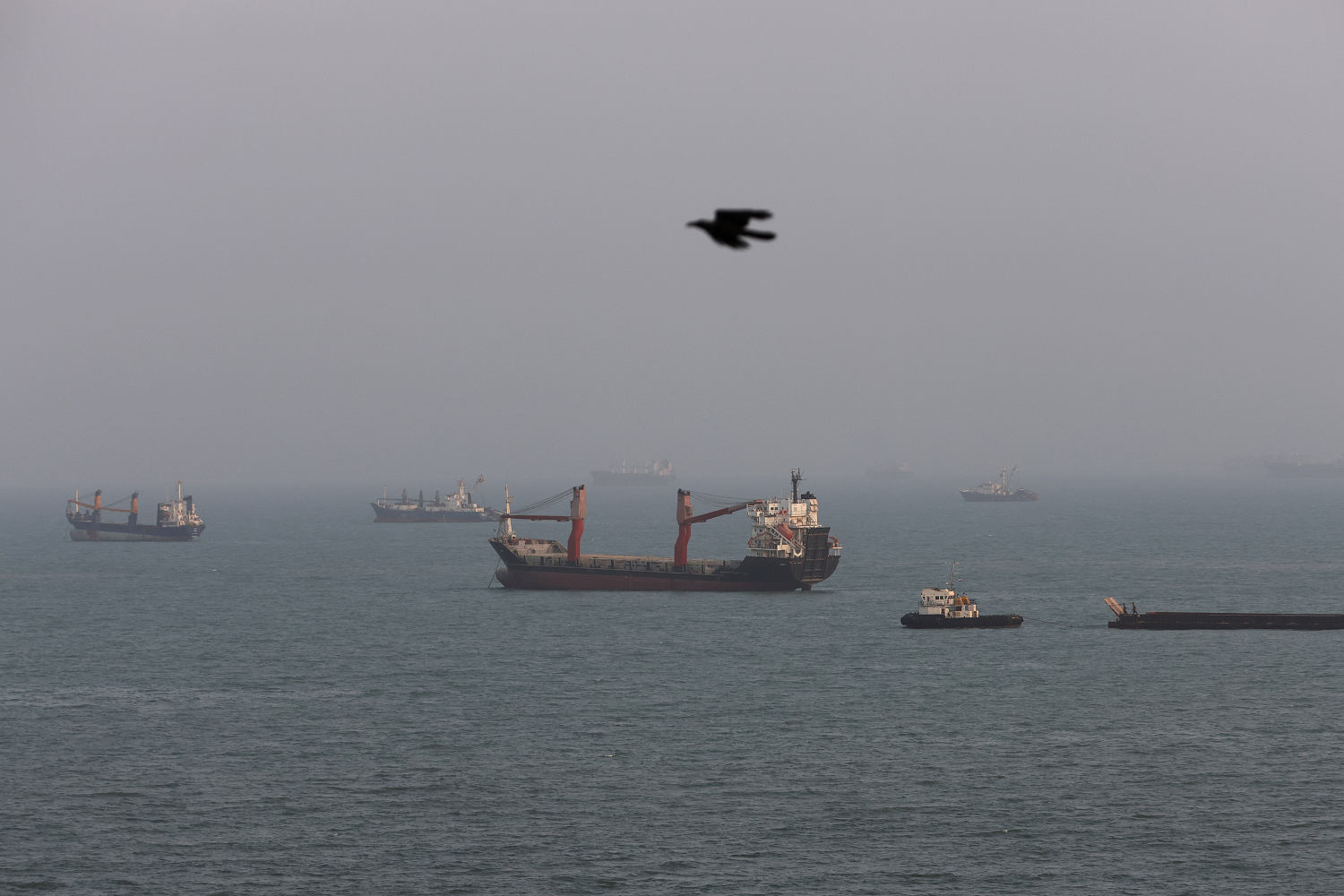
Iran rejected President Donald Trump’s claim that the Strait of Hormuz is a U.S. “territory,” calling the assertion a delusion and demanding that the United States accept the “reality of defeat.” The comment came after Trump, in a televised interview on June 10, said the U.S. would treat the strait as its own sovereign zone. He cited the importance of the waterway for global oil flows and the need for U.S. control to secure shipping lanes. Iran’s foreign ministry issued a statement condemning the remarks, warning that such a move would provoke a regional crisis and destabilise the Middle East.
The Strait of Hormuz is the world’s narrowest chokepoint for petroleum exports, handling about 20 % of global crude shipments. It has long been a flashpoint between Iran and the United States, especially since the 1979 revolution and the 1980s Iran‑Iraq war. U.S. naval presence in the area has been a cornerstone of its strategy to counter Iranian influence and protect energy markets. Trump’s claim follows a pattern of hawkish rhetoric aimed at curbing Iran’s regional ambitions and restoring U.S. dominance. Iran’s warning echoes past threats of retaliation when it perceives U.S. aggression, and it comes amid heightened tensions after the U.S. re‑imposed sanctions on Iranian oil exports and the U.S. withdrew from the 2015 nuclear deal.
Iran’s statement signals a sharp escalation that could prompt new diplomatic efforts or further military posturing. The U.S. State Department has not yet responded, but the remark is likely to be cited by allies and shipping companies as a threat to free navigation. If the U.S. moves to enforce its claim, it could trigger a chain of sanctions on shipping firms that do not comply, while Iran could impose its own counter‑sanctions on foreign vessels. The United Nations Security Council may convene to address the dispute, and major oil traders could adjust their routes to avoid the strait, potentially raising global oil prices.
In the coming weeks, both sides will likely engage in back‑channel talks to avoid a full‑scale confrontation. Iran has hinted at possible military drills near the strait, while the United States may reinforce its naval presence to demonstrate resolve. The outcome will shape not only U.S.‑Iran relations but also the stability of energy markets and the security of maritime trade. The world will be watching closely as the situation develops, as any escalation could reverberate through global supply chains and international diplomatic alliances.
Read Full Story at NBC News →