Iran and Oman reach preliminary shipping agreement for Strait of Hormuz
Iran has reached a preliminary agreement with Oman on a shipping route through the Strait of Hormuz, a critical passage for global oil supplies. This agreement may help ease navigation concerns, but …
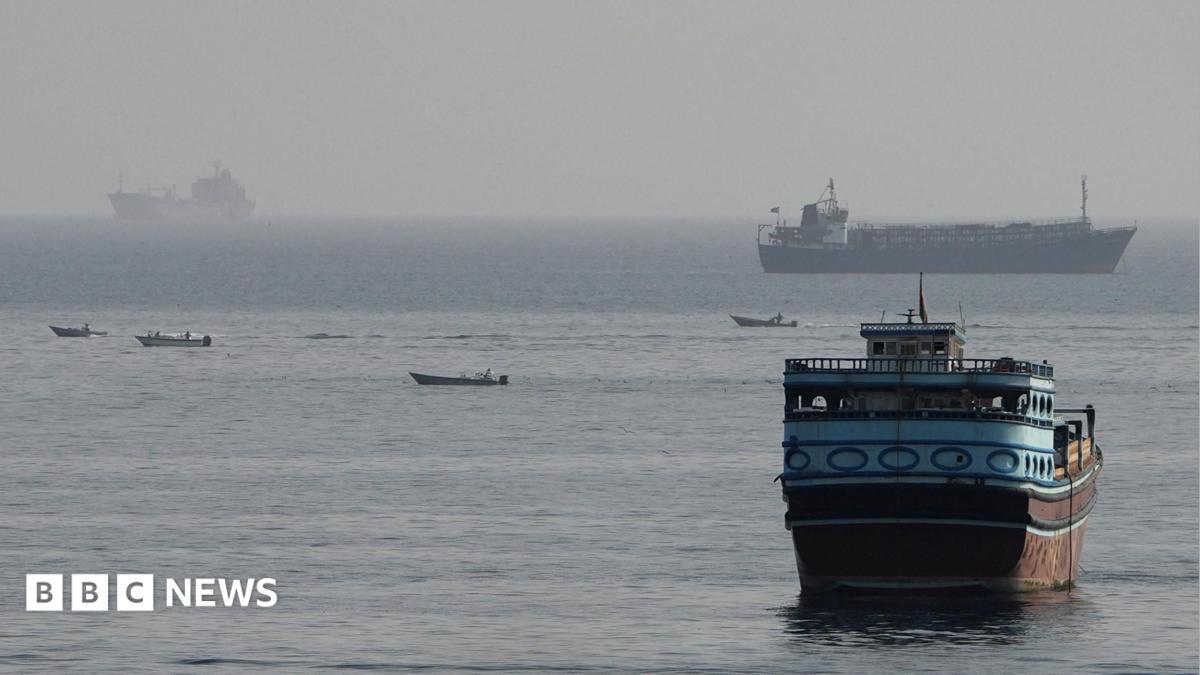
Iran announced it has reached a preliminary agreement with Oman on a shipping route through the strategically important Strait of Hormuz. Foreign Ministry spokesman Esmaeil Baqaei stated that the agreement is currently "in the final stages," although he did not provide specific details about the terms or implementation timeline.
This development comes amid heightened tensions in the region, particularly following a series of hostilities between Iran, the U.S., and Israel. Iran has largely blocked the Strait of Hormuz since late February, impacting global oil supplies as the strait typically facilitates the passage of about 20% of the world’s oil and liquefied natural gas. The blockade has contributed to significant fluctuations in global oil prices, prompting U.S. President Donald Trump to issue a warning that Iran would face severe consequences if the strait does not reopen soon.
While the agreement with Oman marks a potential step towards easing navigation concerns, Baqaei emphasized that it would not ensure safe passage on its own. He pointed to ongoing U.S. military actions, including a blockade of Iranian ports, as factors that continue to threaten security in the area. Iran's Deputy Foreign Minister Kazem Gharibabadi noted that the new route would be temporary, remaining open for just two to four months, but did not elaborate on how this would function or whether it would include any fees for vessels seeking passage.
The situation remains fluid, with diplomatic efforts between the U.S. and Iran stalling in recent months. A previous Memorandum of Understanding signed in June aimed to halt conflicts and reopen the Strait of Hormuz, but it quickly fell apart. The outcome of Iran's agreement with Oman could influence ongoing negotiations and the broader geopolitical landscape, particularly as both nations navigate the complexities of securing energy routes amidst military and economic pressures.
Read Full Story at BBC World News →



