Iran says Strait of Hormuz will be closed over Israel attacks on Lebanon
The Iranian military says it has closed the Strait of Hormuz again over Israel's attacks on southern Lebanon. Iran said Israel's continued attacks in Lebanon are a breach of Tehran's agreement with t
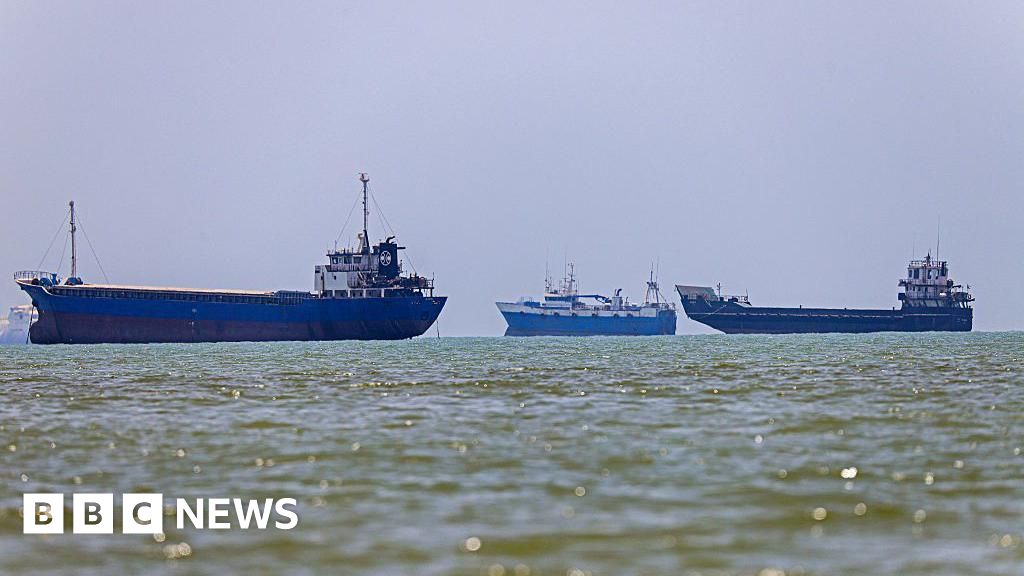
The Iranian military says it has closed the Strait of Hormuz again over Israel's attacks on southern Lebanon. Iran said Israel's continued attacks in
Read Full Story at BBC World News →Why This Matters
The Strait of Hormuz is the world’s most critical chokepoint for oil transit, handling about a fifth of global petroleum supplies. Iran’s threat to close it escalates regional tensions into a potential global economic shock, forcing Western powers to weigh military restraint against the risk of a supply crisis that could spike fuel prices and destabilize markets already grappling with inflation and geopolitical uncertainty.
Background Context
Iran has historically used threats to close the Strait of Hormuz as leverage during periods of heightened conflict with Israel or the U.S., most notably in 2019 when it targeted tankers in a series of attacks. The strait’s closure would violate international maritime law, but Iran’s Islamic Revolutionary Guard Corps has framed such moves as defensive responses to perceived existential threats, citing Israel’s recent strikes in Lebanon as a pretext for retaliation.
What Happens Next
The immediate risk lies in the possibility of miscalculation—whether Israel escalates its campaign in Lebanon or Iran proceeds with disruptive actions short of a full blockade. Western nations, particularly the U.S., may deploy naval assets to deter aggression, but the lack of a clear de-escalation mechanism risks turning a regional proxy conflict into a direct confrontation with global repercussions.
Bigger Picture
This escalation fits a broader pattern of Iran using asymmetric tactics to project power while avoiding full-scale war, a strategy that has intensified since the Gaza conflict began. The Strait of Hormuz threat underscores how proxy conflicts in Lebanon, Yemen, and Iraq are increasingly tethered to global energy security, raising the stakes for diplomatic intervention before economic fallout triggers a wider military response.





