Iran war leaves Iraq running out of money
They may be thousands of kilometers away but the Strait of Hormuz — or more specifically, its blockade — is making life increasingly difficult for many ordinary Iraqis. For the last three months or …
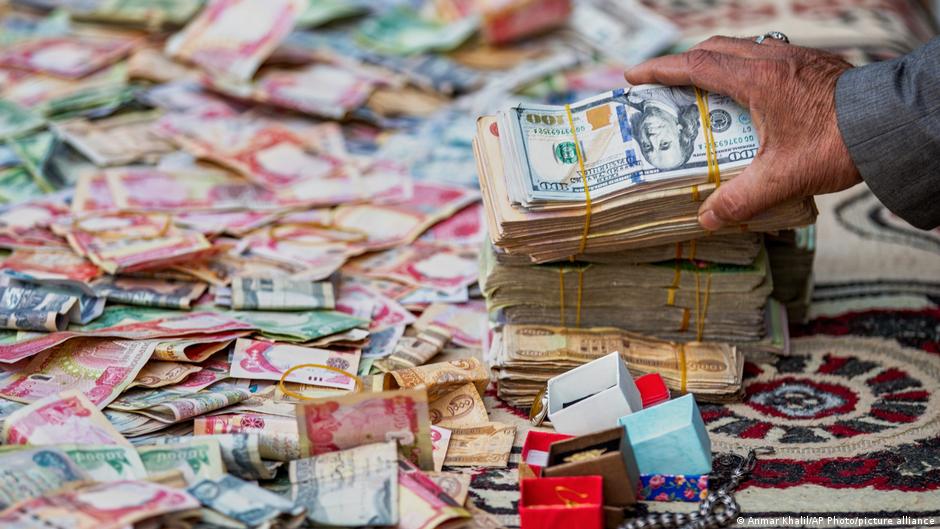
They may be thousands of kilometers away but the Strait of Hormuz — or more specifically, its blockade — is making life increasingly difficult for many ordinary Iraqis.
For the last three months or so, Mahmoud Waleed's salary has been arriving later and later. The 38-year-old teacher is paid by the Iraqi Ministry of Education, but because Iraq cannot export enough oil through the Strait of Hormuz, the government is running out of cash.
As a result, thousands of Iraqis like Waleed are not being paid on time.
"The delay affects you a lot," the Mosul local told DW. "Like most people, we have financial obligations as well as basic living expenses. We're just more and more convinced that we need to reduce expenses and keep some money aside for emergencies — just until things return to normal. It makes you really anxious and fearful."
"The future looks more uncertain," adds Ahmed, a doctor from the same city who didn't want to give DW his full name for personal reasons. "This month, our salaries were delayed by more than 10 days. The Minister of Health explained the state doesn't have sufficient cash flow and that's why there was a delay. But we just don't know how long the next delay will be."
In early August, there were a number of small demonstrations about the delayed salaries. Staff from universities around the country protested as did employees at the Ministry of Electricity.
Almost all of Iraq's national budget, somewhere between 85% and 90%, comes from the export of its oil.
At the same time, Iraq has a huge and growing public sector, with about two-thirds of the around 30 million working-age Iraqis relying on the state for their livelihoods. That's why the majority of the state budget now goes towards salaries, pensions and social welfare; every month the Iraqi government needs somewhere between $6.5 billion (€5.6 billion) and $8.2 billion for those payments.
Read Full Story at DW World →


