Mojtaba Khamenei skips Ayatollah Khamenei’s funeral
Iran’s new Supreme Leader, Mojtaba Khamenei, missed his father’s funeral, fueling speculation about his health or a power struggle. His absence risks exposing regime instability amid economic crises a
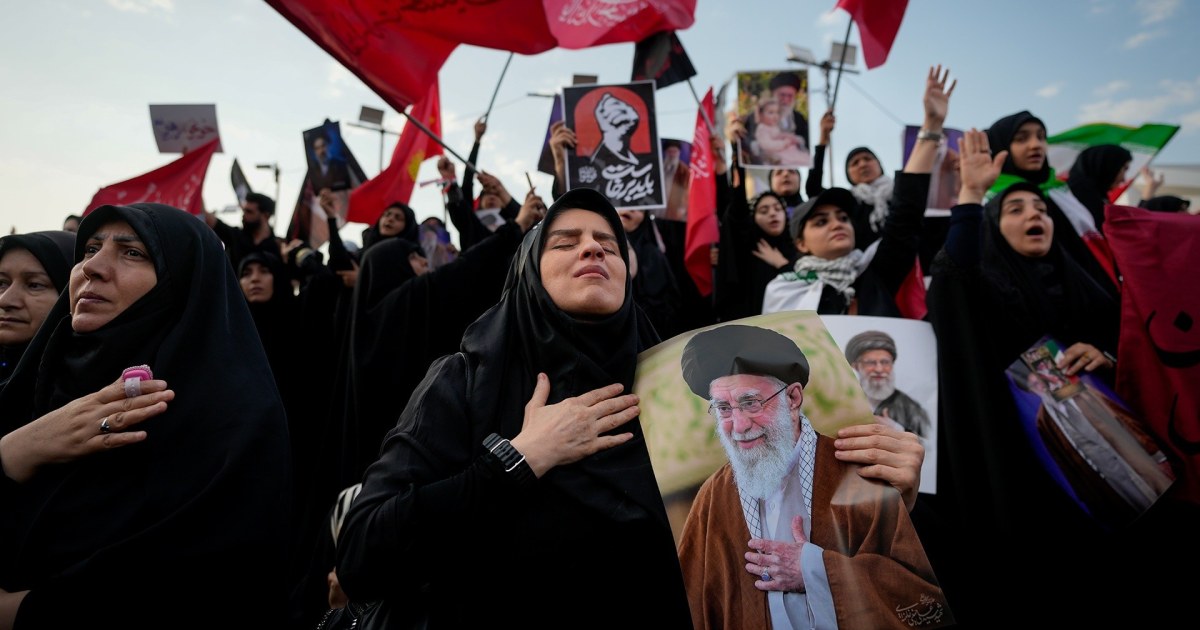
Iran’s new Supreme Leader, Mojtaba Khamenei, skipped his father’s funeral this week, raising fresh questions about his health and grip on power. The l
Read Full Story at NBC News →Why This Matters
The absence of Iran’s new Supreme Leader, Mojtaba Khamenei, from his father’s funeral transcends mere protocol—it signals a potential fracture in the Islamic Republic’s carefully curated image of unity. For a regime that has long relied on symbolic displays of stability to maintain legitimacy, this unprecedented breach of tradition could erode public confidence at a time when dissent is already simmering beneath the surface.
Background Context
Mojtaba Khamenei’s rise to power follows decades of strategic positioning within Iran’s clerical establishment, but his selection as successor to the late Ayatollah Ali Khamenei remains shrouded in secrecy. Unlike his father, who consolidated power through a mix of revolutionary zeal and pragmatic governance, Mojtaba’s leadership style is untested—and his health has been the subject of persistent rumors, including claims of neurological decline.
What Happens Next
Speculation about Mojtaba’s absence will likely intensify, with factions within the regime either circling the wagons to protect the succession plan or exploiting the moment to challenge his authority. If his health is the issue, the regime may scramble to stage-manage a transition to avoid a power vacuum, while rival factions—including the IRGC and hardline clerics—could seize the opportunity to assert their influence.
Bigger Picture
This episode underscores the fragility of Iran’s theocratic system as it grapples with generational change, economic strain, and the growing influence of younger, disillusioned Iranians. It also highlights how succession crises in authoritarian regimes often reveal deeper structural weaknesses, particularly when informal power networks—like those of the Khamenei family—begin to fracture.