Pakistan, Saudi Arabia, Turkey officials meet in Tehran to discuss peace
Top military and intelligence officials from Pakistan, Saudi Arabia, and Turkey visited Tehran to engage in diplomatic talks amid rising tensions with the US and Israel over Iran. This meeting indica…
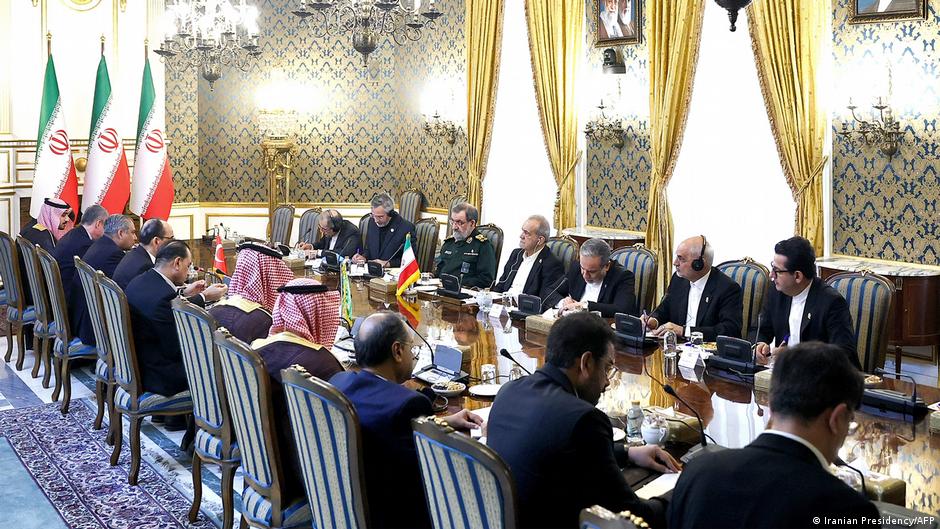
Pakistan’s army chief Asim Munir, Saudi defence minister Khalid bin Salman and Turkish intelligence chief Ibrahim Kalin flew to Tehran on Monday as envoys of the Mecca defence pact, a trilateral alliance formed this summer between Islamabad, Riyadh and Ankara. They met President Masoud Pezeshkian and senior Iranian officials to deliver a coordinated diplomatic message to Tehran amid growing fears of a new US‑Israel offensive against Iran after the November 3 mid‑term elections.
The meeting comes as the United States and Israel have hinted at fresh strikes on Iranian targets, citing recent Iranian‑backed attacks in the region. The three Mecca states say the visit is meant to open negotiation channels and stop any return to military escalation. Their timing signals a desire to counter US pressure and to present a united regional front as the US seeks to isolate Iran diplomatically.
Pakistani officials told Reuters the talks focused on building a non‑aggression network across West Asia, addressing US‑Iran talks, Houthi attacks on Saudi Arabia, the Strait of Hormuz and the US naval blockade. Munir reportedly offered a compromise that could satisfy both Washington and Tehran, with Qatar, Pakistan, Saudi Arabia and Turkey acting as mediators. Iran’s Supreme National Security Council head Mohsen Rezaei praised the “very positive atmosphere” and said a new regional security framework was emerging, free from outside interference. Rezaei later met Supreme Leader Mojtaba Khamenei, who urged protection of Iran’s interests while maintaining the current “neither war nor peace” stance.
The outcome remains unclear, but the dialogue shows Tehran is not isolated and that the Mecca alliance is willing to use diplomatic channels to manage tensions. Iran’s president will attend the Gas Exporting Countries Forum in Moscow, where he will meet Vladimir Putin and Qatar’s emir, discussions that will likely touch on the Strait of Hormuz and broader security. Observers say the next steps will test whether the Mecca pact can translate its joint statements into concrete de‑escalation measures, or whether it will simply reinforce a regional deterrent against further US‑Israel action.
Read Full Story at DW World →