Is Russia heading for a fuel crisis?
Fuel supply bottlenecks are tightening in Russia , after Ukrainian drone strikes on oil refineries led to fuel disruptions in several regions. And this could just be the beginning, with pressure on …
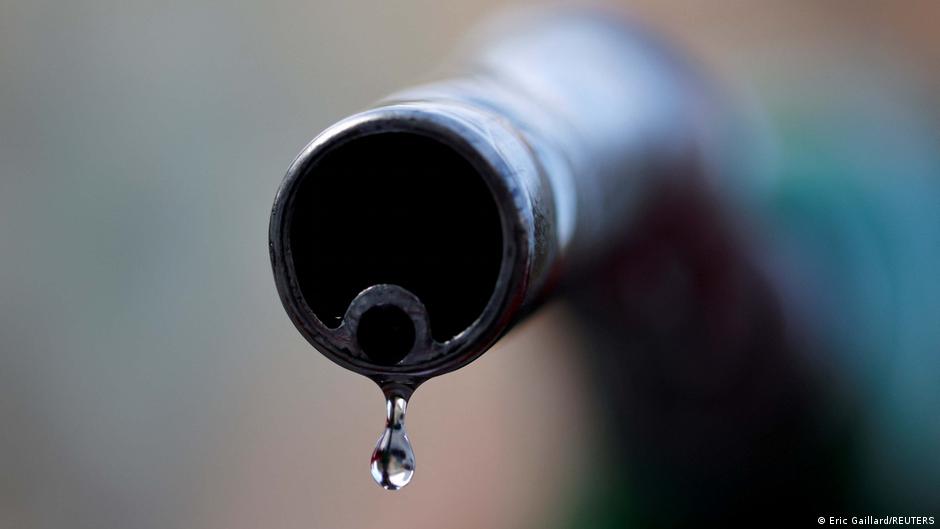
Fuel supply bottlenecks are tightening in Russia , after Ukrainian drone strikes on oil refineries led to fuel disruptions in several regions. And th
Read Full Story at DW World →The escalation of Ukrainian drone strikes targeting Russian oil refineries marks a significant shift in the energy conflict between the two nations, raising serious questions about Moscow’s long-term fuel stability. While Russia remains a global energy powerhouse, its domestic refining capacity—already strained by Western sanctions—now faces a new vulnerability. The strikes come amid reports of localized shortages in key regions, suggesting that infrastructure vulnerabilities are being deliberately exploited. This is not merely a tactical disruption but a potential strategic pivot, one that could reshape Russia’s energy calculus as the war drags on. Background matters here. Russia’s refining sector has been operating under duress since sanctions targeted its access to Western technology and export markets. Many of its refineries, some built during the Soviet era, were never designed for sustained pressure, let alone sustained attacks. Meanwhile, domestic fuel demand has remained high despite economic stagnation, as Russia’s war economy continues to consume massive quantities of diesel, gasoline, and jet fuel. The country’s storage networks, once robust, are now stretched thin, with reports of hoarding and price volatility emerging in affected regions. If these disruptions spread, they could force Moscow to choose between diverting crude to domestic use—thereby reducing export revenues—or risking public unrest by rationing fuel. What happens next depends on several factors. Ukraine’s ability to sustain these attacks will be critical, as will Russia’s response. Moscow has shown a willingness to redirect oil flows from Asia to compensate, but logistical bottlenecks could limit that option. Sanctions on Russia’s shadow fleet of tankers and insurance restrictions further complicate its ability to mitigate shortages. Domestically, the Kremlin may opt for price controls or military prioritization of fuel distribution, but such moves risk deepening economic distortions. The broader question is whether this signals a broader energy war strategy from Kyiv—one that seeks to cripple Russia’s war machine by choking its fuel supply chains. This development also fits a larger trend: the weaponization of energy infrastructure in modern conflicts. From Yemen’s fuel shortages to Israel’s attacks on Iranian-backed Hezbollah’s diesel trade, combatants are increasingly targeting the lifeblood of adversaries’ economies. For Russia, a country built on extractive industries, the stakes could not be higher. The coming months will reveal whether this is the beginning of a sustained campaign—or just the first ripple of a much larger crisis.





