Israel and Iran flare-up tests Trump's grip and could strengthen Tehran's negotiating hand
Israel's tit-for-tat strikes with Iran over the weekend, despite US President Donald Trump's call for Prime Minister Benjamin Netanyahu to hold fire, threatened to thrust the Middle East back into another round of direct confrontation between Tehran and Washington. Israel bombed
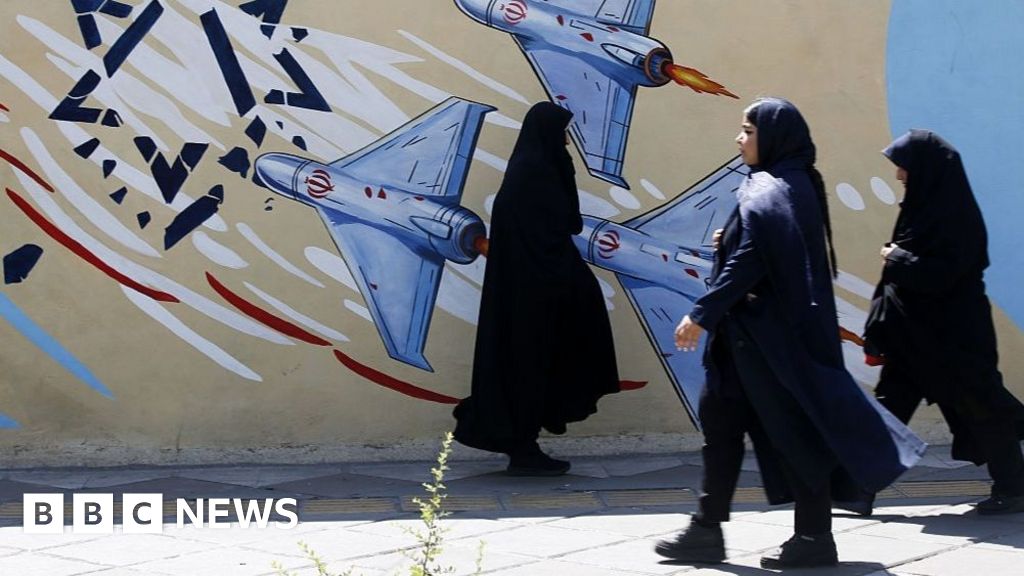
Israel's tit-for-tat strikes with Iran over the weekend, despite US President Donald Trump's call for Prime Minister Benjamin Netanyahu to hold fire, threatened to thrust the Middle East back into another round of direct confrontation between Tehran and Washington.
Israel bombed sites in Iran for the first time since a ceasefire in April, after Iran fired missiles at Israel, in what Tehran said was retaliation for Israeli strikes on Lebanon's capital, Beirut.
The current web of fractious alliances and dysfunctional ceasefires shows how dangerously destabilised the region remains, more than three months after the US and Israel launched their war on Iran.
The escalation also highlights three points about the current trajectory of the war:
After Iran's missile attack on Israel on Sunday, Trump spoke to several journalists telling one he was "going to call [Netanyahu] right now and tell him not to retaliate".
The implication was an Israeli counterattack could jeopardise his perilously fragile diplomacy with Tehran.
Hours later, Israel attacked Iran. Trump told the BBC on Monday afternoon that Israeli planes were "already on their way" when he spoke with Netanyahu.
In a brief phone call with the BBC, the US president denied the Israeli PM had defied him, saying: "If I tell him to do something, he does it."





