Israel captures a key Lebanon site, crossing Litani River in deepest incursion in 26 years
Israeli forces crossed the Litani River, capturing a strategic mountain in southern Lebanon—the deepest incursion in 26 years—amid escalating clashes with Hezbollah since October 7. The move, condemned by Lebanon as a sovereignty violation, aims to enhance Israel’s defensive position against Hezbollah’s intensified rocket and drone attacks.
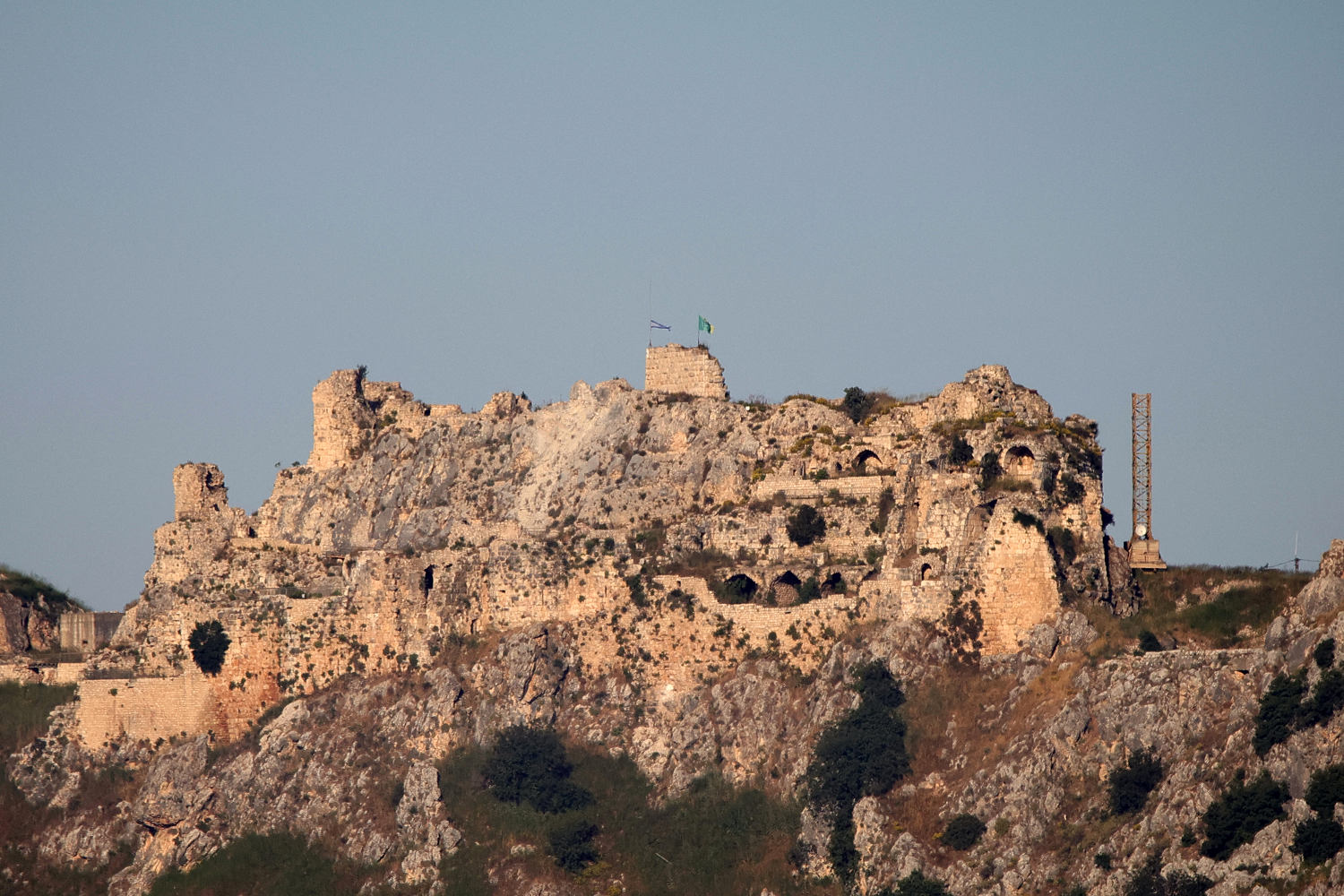
Israeli forces have crossed the Litani River and captured a strategic mountain in southern Lebanon, marking the deepest incursion into Lebanese territory in 26 years. The operation, confirmed by Israeli military statements and corroborated by Lebanese security sources, signals a significant escalation in cross-border tensions that have simmered since the October 7 Hamas attacks on Israel. The Litani River has long served as an informal buffer zone between Israel and Hezbollah, the Iran-backed militant group that has exchanged near-daily fire with Israeli forces since the Gaza conflict began. Israel’s stated objective in advancing beyond this historical boundary appears to be the establishment of a more defensible position against Hezbollah rocket and drone attacks, which have intensified in both range and frequency over recent months.
The capture of the mountain, identified by military analysts as a key vantage point overlooking southern Lebanon, provides Israel with a tactical advantage in monitoring and potentially disrupting Hezbollah’s supply routes and command structures. This development comes amid reports of heavy artillery exchanges and airstrikes on both sides of the border, with civilian casualties reported in Lebanon and northern Israel. Lebanese officials have condemned the incursion as a violation of sovereignty, while Israel has framed it as a necessary measure to prevent further attacks from Hezbollah, which has vowed to continue its military campaign until a ceasefire is reached in Gaza. Analysts suggest that Israel may be testing Hezbollah’s resolve and preparing for a potential broader offensive, though such a move risks triggering a full-scale war that neither side appears fully prepared to wage.
The timing of this operation is particularly sensitive, as diplomatic efforts to broker a ceasefire between Israel and Hamas in Gaza have stalled, and regional tensions remain dangerously high. The United Nations Interim Force in Lebanon (UNIFIL), which has maintained a fragile peacekeeping presence in southern Lebanon for decades, has expressed concern over the escalation and called for restraint. Meanwhile, Hezbollah has reinforced its positions in southern Lebanon, deploying additional fighters and anti-tank missiles, while Israel has mobilized reserves and conducted large-scale military drills near the border. The international community, including the United States and European Union, has urged both sides to avoid further provocation, but the risk of miscalculation or miscommunication remains acute.
For Lebanon, already grappling with economic collapse and political instability, the renewed hostilities pose a severe threat to national security and stability. The country’s fragile infrastructure, weakened by years of corruption and mismanagement, is ill-equipped to withstand a prolonged conflict, and the humanitarian toll on civilians could be catastrophic. For Israel, the operation risks drawing it deeper into a conflict with Hezbollah that could divert military resources from Gaza and further strain its relationship with international allies. As the situation evolves, the coming days will be critical in determining whether this incursion leads to a broader confrontation or serves as a temporary deterrent in an increasingly volatile regional landscape.