Israeli airstrikes in southern Lebanon kill nine, including three children
Israeli airstrikes in southern Lebanon killed nine people, including three children, targeting areas near the border believed to host Hezbollah operatives. This escalation follows recent rocket attac…
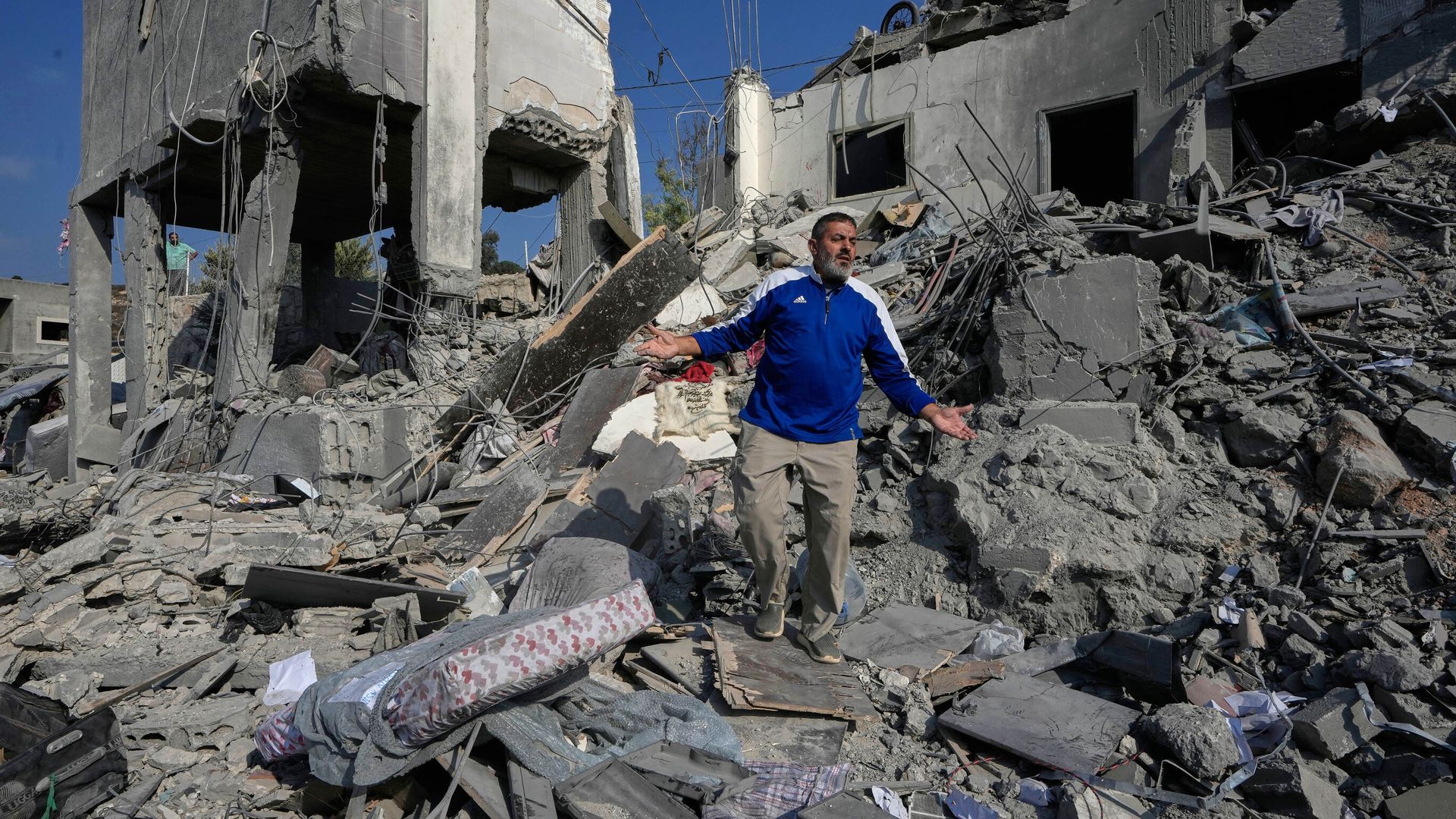
Israeli forces carried out airstrikes on two villages in southern Lebanon on Sunday, killing nine people, including three children, according to local reports. The attacks were launched from Israeli airspace and targeted areas near the border that Israel says host Hezbollah operatives. The strikes came after a series of rocket launches from Lebanon into northern Israel over the past week.
The incident follows a long‑standing standoff between Israel and Hezbollah, the Shia militant group that controls much of southern Lebanon. Since the 2006 war, the two sides have exchanged occasional artillery and rocket fire, with Israel conducting retaliatory strikes whenever it believes Hezbollah is building or launching attacks. The villages hit are close to the border, a zone that has seen frequent clashes. In recent weeks, Hezbollah has fired a new generation of rockets into Israeli territory, prompting Israel to respond with air power aimed at what it says are Hezbollah training camps and weapons caches.
Lebanese officials have condemned the strikes, calling them a violation of Lebanon’s sovereignty and demanding an immediate halt to Israeli military activity. The Lebanese government has called for an emergency meeting of the Arab League to address the escalation. Israel’s Defense Minister said the operation was a “precise strike” against Hezbollah infrastructure and that civilian casualties were unintended. Human rights groups have urged both sides to reduce hostilities and protect civilians. The United Nations has issued a statement calling for restraint and urging a return to diplomatic talks.
If the violence continues, the risk of a larger regional conflict rises. The United States and European Union have urged both parties to de‑escalate, while the UN Security Council is expected to consider a resolution demanding a ceasefire. The situation remains volatile, and any further cross‑border incidents could trigger a broader war, prompting international intervention or a coordinated diplomatic effort to restore calm. The international community watches closely as the two sides navigate a precarious balance between retaliation and restraint.
Read Full Story at Sky News →