Netanyahu ally settlers seize West Bank land
Israeli settler violence and land confiscation in the West Bank are surging. This escalation serves Prime Minister Netanyahu’s political interests by appeasing his right-wing coalition ahead of elect…

Israeli settler violence against Palestinian residents in the West Bank has surged to alarming levels, creating a climate of fear and displacement for communities living near Bethlehem and throughout the occupied territory. This escalation coincides with a broader trend of land confiscation, where Palestinians are increasingly finding their homes demolished and their farmland seized by Israeli settlers backed by state security forces. The pattern is not random but systematic, reflecting a shift in policy that prioritizes the expansion of Jewish settlements over the security and rights of the indigenous Palestinian population. For families in villages like Huwwara and Burin, daily life has become a struggle against harassment, physical assault, and the constant threat of losing their ancestral land.
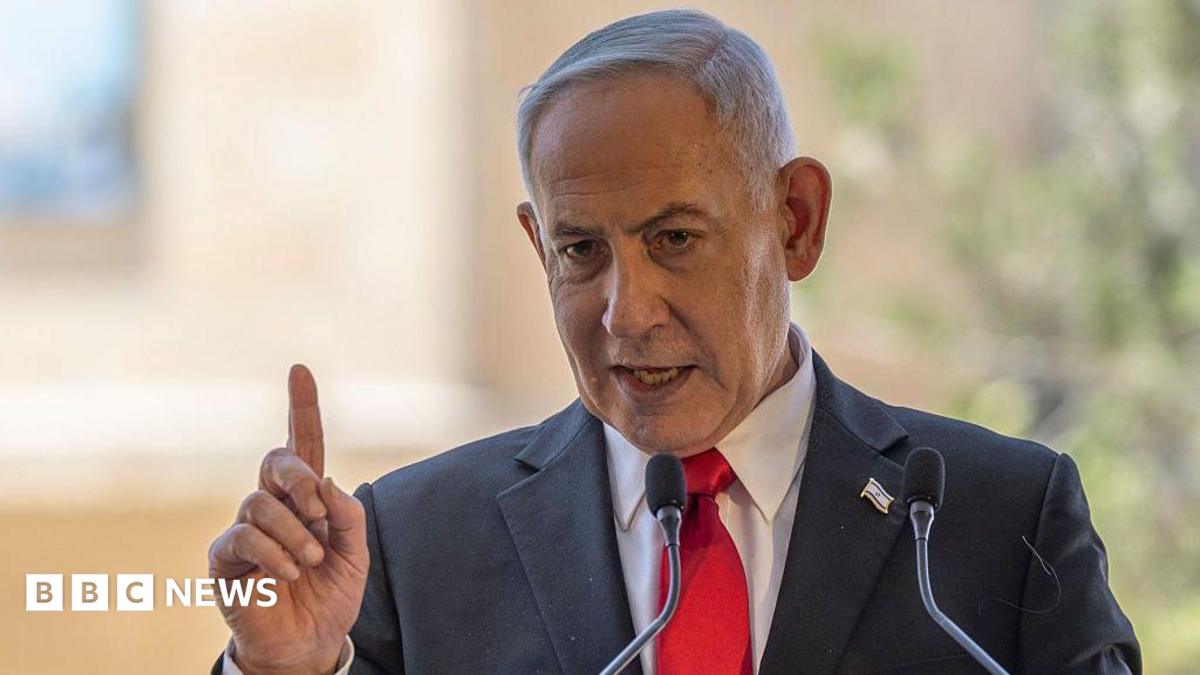
The timing of this violence is deeply political, as Israel approaches a critical electoral period that will determine the future direction of its government. Prime Minister Benjamin Netanyahu’s right-wing coalition relies heavily on the support of nationalist and religious parties, many of which have strong ideological ties to the settler movement. These voters are a crucial bloc for Netanyahu’s chances of re-election, giving the government a strong incentive to appease them through aggressive settlement expansion and a permissive stance toward settler militancy. By allowing and sometimes facilitating these attacks, the state signals its backing of the settlers, effectively rewarding violence with political capital. This dynamic creates a feedback loop where political pressure drives policy, and policy enables further violence, destabilizing the region further.
The humanitarian cost of this strategy is severe and growing. Human rights organizations have documented hundreds of incidents in recent months, ranging from stone-throwing and arson to brutal beatings and the uprooting of olive trees. These acts are rarely punished, fostering a sense of impunity among perpetrators and despair among victims. For Palestinians, the loss of land is not just an economic blow but a cultural and existential one, severing ties to history and heritage. The international community has largely remained silent or ineffective in stopping the trend, with diplomatic efforts failing to curb the construction of new outposts or the demolition of Palestinian structures. This lack of accountability emboldens settlers and leaves Palestinian communities vulnerable to ongoing aggression.
Looking ahead, the situation appears poised to worsen rather than improve. As elections draw near, the pressure on the Israeli government to maintain its hardline stance will likely intensify, leading to more frequent and severe attacks. For Palestinians, the prospect of a negotiated peace seems increasingly distant, replaced by a reality of entrenched occupation and daily violence. The long-term implications are dire, as the demographic and geographic changes in the West Bank make a two-state solution virtually impossible. Unless there is a significant shift in international pressure or domestic Israeli politics, the cycle of violence and displacement will continue, deepening the conflict and entrenching divisions that may prove irreversible for generations to come. The world watches as the West Bank becomes a flashpoint for broader regional instability, with no clear end in sight.
Read Full Story at Al Jazeera →