Netanyahu orders strikes on Beirut suburbs
Israel’s airstrikes on Beirut’s southern suburbs, targeting Hezbollah positions, escalate the Israel-Hezbollah conflict, risking a broader regional war and further destabilizing Lebanon’s already fragile government. This move complicates U.S.-Iran negotiations and could provoke a major Hezbollah retaliation, potentially drawing in Iran and the U.S.
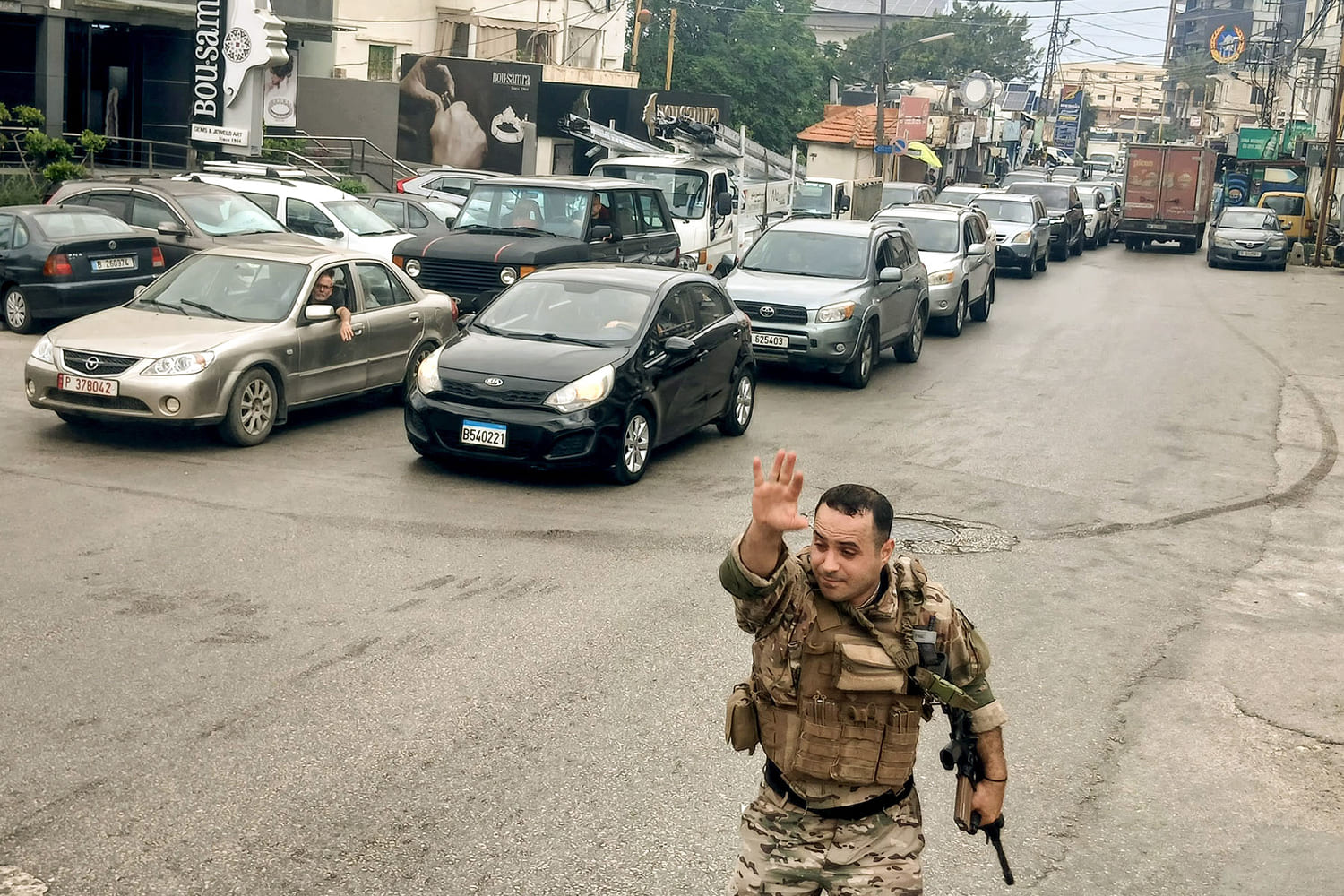
Israeli Prime Minister Benjamin Netanyahu ordered airstrikes on Hezbollah-controlled neighborhoods in Beirut’s southern suburbs on Monday, escalating a conflict that risks spiraling into a wider regional war. The strikes targeted areas where the Iran-backed militant group maintains a strong presence, marking a sharp escalation after months of cross-border exchanges along Israel’s northern border. The move comes as mediators struggle to contain a broader crisis tied to the U.S.-Iran standoff, making this flare-up especially dangerous.
The attacks follow months of rising tensions between Israel and Hezbollah, which have exchanged near-daily fire since Hamas’s October 7 attack on Israel. Hezbollah, Lebanon’s most powerful armed group, has vowed retaliation for recent Israeli strikes that killed one of its senior commanders. Netanyahu’s decision to strike deep into Beirut signals a willingness to expand the conflict beyond the border, potentially drawing Lebanon further into the war. The suburbs hit are densely populated, raising immediate concerns about civilian casualties and a potential humanitarian crisis in a country already grappling with economic collapse.
Why this matters: The strikes risk dragging Lebanon into a full-scale war with Israel, something Hezbollah has so far avoided despite repeated provocations. Lebanon’s fragile government, already struggling with political paralysis and financial meltdown, could collapse under the pressure. More broadly, the escalation complicates U.S. efforts to negotiate with Iran, Hezbollah’s main backer, over regional security. Washington is trying to prevent a wider conflict, but Israel’s latest move makes that harder. If Hezbollah responds with a major attack inside Israel, the situation could spiral out of control, pulling in Iran and possibly the U.S.
What happens next depends on Hezbollah’s reaction. If the group launches a large-scale strike, Israel could respond with even greater force, potentially targeting more of Lebanon. Diplomatic efforts by the U.S., France, and others will intensify, but the window for de-escalation is narrowing. The risk of miscalculation—where one side misjudges the other’s limits—is now higher than ever. The world is watching to see whether this becomes a localized flare-up or the start of something far worse.