I’ve reviewed Android foldables for years. The iPhone Ultra needs these 5 things to succeed
The world’s first commercially available folding phone was the Royole FlexPai , and I still distinctly remember using it at CES 2019, thinking to myself, “There’s no way anyone’s buying this.” And, p…
Affiliate links on Android Authority may earn us a commission. Learn more.
The world’s first commercially available folding phone was the Royole FlexPai , and I still distinctly remember using it at CES 2019, thinking to myself, “There’s no way anyone’s buying this.” And, probably nobody did. But that product lit the spark for companies like Samsung and HUAWEI to take up the challenge and lead us to where we are today with foldables.
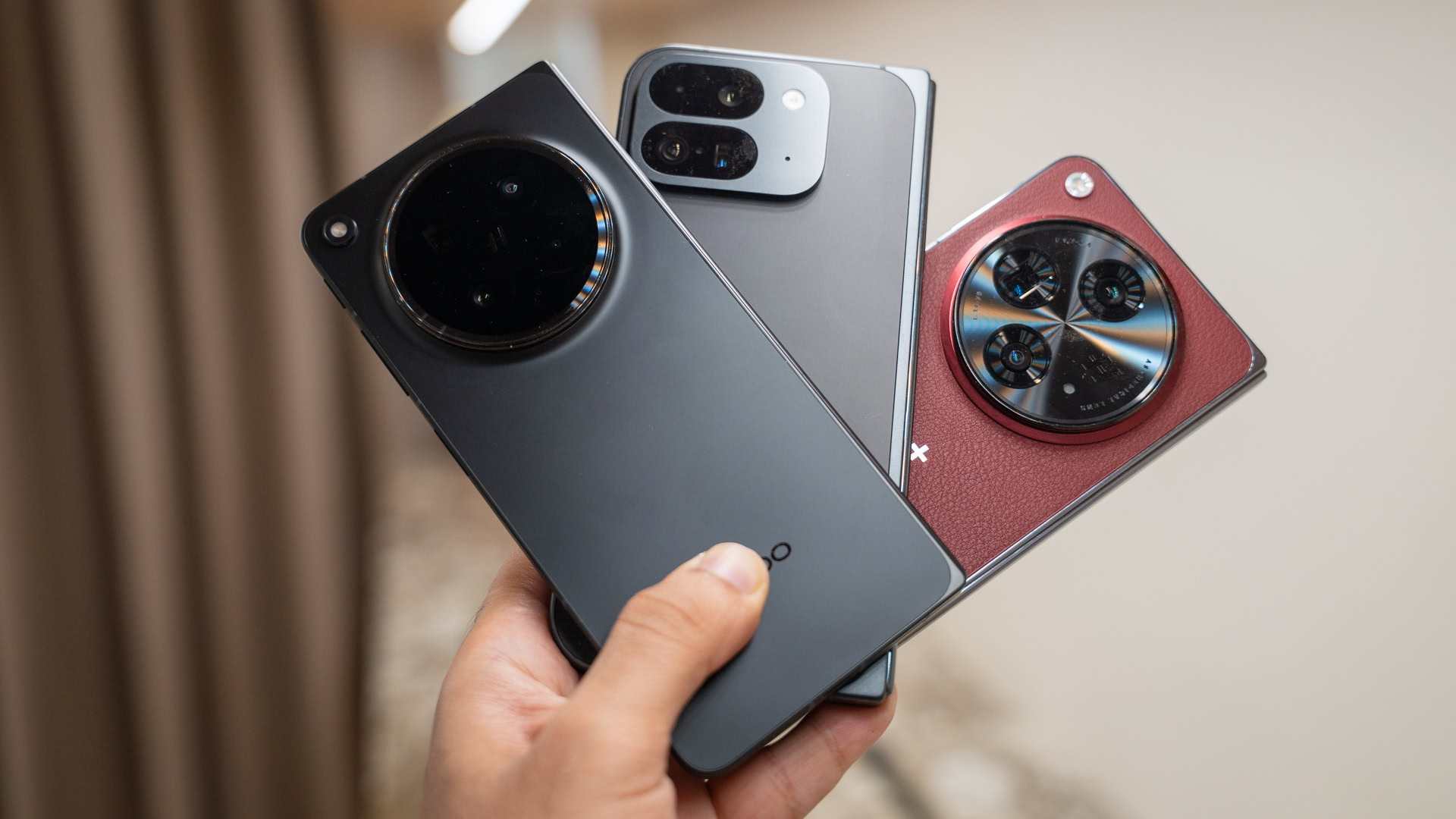
Since then, I’ve reviewed and used many Android foldables , including Samsung’s Galaxy Z Fold series, OnePlus’ brilliant OnePlus Open debut foldable , and various flip phones from Chinese manufacturers. While foldables aren’t for me personally, I’ve seen and used enough to know what separates successful ones from failures.
All leaks strongly suggest that Apple might indeed announce its first folding phone, dubbed the iPhone Ultra, during its September 2026 hardware event. Prepare your mind and wallet for what’ll most likely be the most expensive iPhone yet. Apple can still justify it, though, if it nails these fundamentals.
The in-hand comfort of a folding phone is a make-or-break moment for me. It took Samsung years to warm up to the idea of a wider aspect ratio for its Z Fold series, something I felt OPPO nailed with its debut Find N , back in 2021. For Apple, the iPhone Air is a solid blueprint to start with. The screen size is perfect, slightly larger than the standard iPhone but not unwieldy like the Pro Max models. Plus, renders of the iPhone Ultra from June 2026 suggest Apple is going the OPPO route, with a wider aspect ratio and heavily rounded corners.
Ergonomics will also play a big part in the iPhone Ultra’s success. It’s reportedly expected to measure 4.5mm thick, which is even slimmer than the Air, but only a bit thicker than Samsung’s Galaxy Z Fold 8 series. The iPhone Ultra doesn’t have to compete for the “thinnest foldable” crown; it just needs to be slim enough when folded to still feel like a standard smartphone. Weight is another factor, and I hope Apple can make it lighter than the iPhone 17 Pro Max.
Last but not least, the iPhone Ultra has to have proper dust and water protection. To date, only a handful of Android foldables, like the Google Pixel 10 Pro Fold, have it. The HONOR Magic V6 is the current best with an IP69 rating. The iPhone Ultra needs to be IP68 for peace of mind.
The folding display is the main piece of the puzzle. We’ve come a long way from the days of the FlexPai, and I feel Apple doesn’t really have much of an excuse to not knock this one out of the park. Folding screen tech has gotten way more durable from the early days, but there are still edge cases where things can go terribly wrong, as one of our own team members recounts . The iPhone Ultra needs a robust, ultra-thin glass to withstand everyday use.
Read Full Story at Android Authority →