UK bans conversion practices with up to five years in prison
Forcing changes in sexual orientation or gender identity could lead to up to five years in prison and unlimited fines under the proposed UK Conversion Practices Bill. The bill aims to criminalize abus
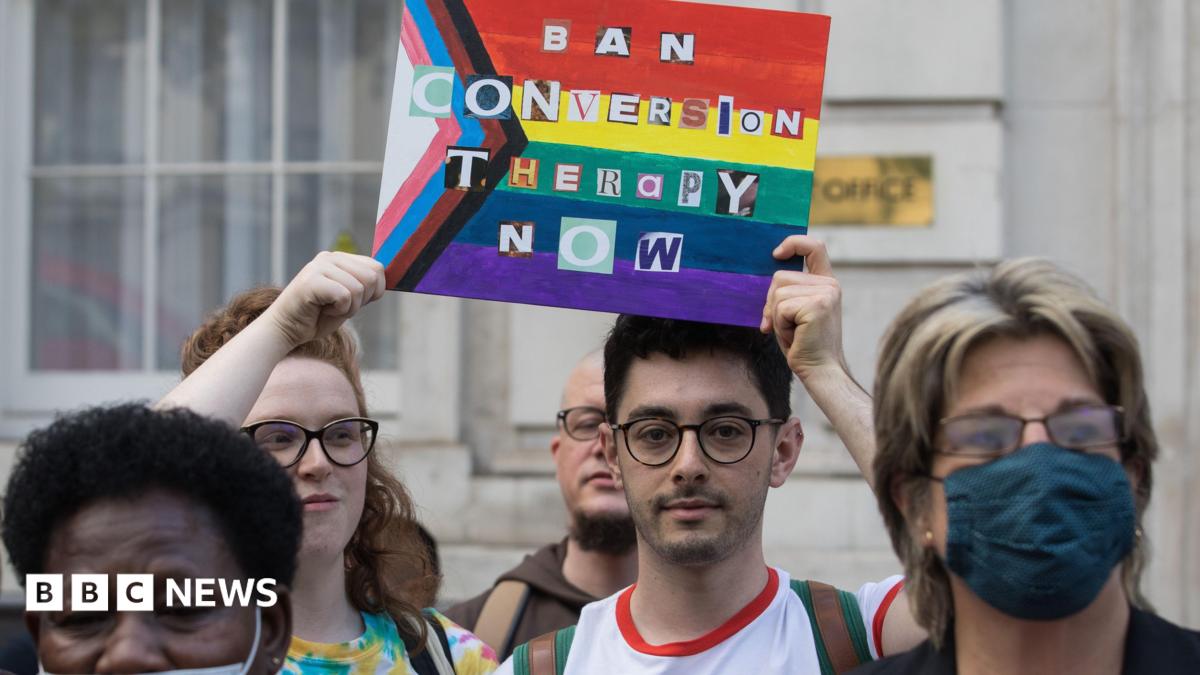
People who force others to change their sexual orientation or gender identity could soon face up to five years in prison under a new bill tabled in Pa
Read Full Story at BBC Politics →Why This Matters
The proposed UK Conversion Practices Bill represents one of the most aggressive legal responses yet to the global persistence of so-called "conversion therapy," framing such practices as not just unethical but criminal. By equating attempts to alter a person’s sexual orientation or gender identity with severe penalties, the bill signals a fundamental shift in how society protects LGBTQ+ individuals from systemic coercion and psychological harm. This move could embolden other nations to adopt similar legislation, reshaping international norms around bodily autonomy and medical ethics.
Background Context
Conversion practices have deep roots in pseudoscientific "treatments" that date back to the late 19th century, often tied to religious movements seeking to suppress queer identities. While the UK has seen piecemeal progress—such as the 2008 ban on treating homosexuality as a disorder—loopholes allowed unregulated interventions to persist under the guise of "counseling" or "spiritual guidance." The bill’s broad scope, targeting both professional and informal settings, reflects mounting pressure from survivor testimonies and advocacy groups who argue that existing safeguards remain insufficient.
What Happens Next
Legal experts anticipate fierce debate over the bill’s definition of "practices," particularly whether it encompasses conversational or exploratory therapy that doesn’t explicitly seek to change identity. The government’s next step will likely involve refining the legislation to balance deterrence with protections for vulnerable individuals, while opponents may challenge it on free speech grounds. Meanwhile, LGBTQ+ organizations are calling for robust enforcement mechanisms, warning that without adequate resourcing, the law could become another hollow promise.
Bigger Picture
This bill aligns with a growing global trend toward criminalizing conversion practices, from Canada’s 2021 ban to partial restrictions in parts of Australia and the U.S. It also underscores how legal reforms are increasingly intersecting with human rights frameworks, as seen in the UN’s 2020 resolution condemning such therapies. Yet the debate reveals a persistent tension: can laws alone dismantle deeply entrenched cultural and religious beliefs that frame queer identities as deviant?