Jamaican beach access campaigners go to court to fight privatisation of coast
Activists are challenging colonial-era law and demanding ‘free, legal, unfettered, forever rights’ to use beaches Jamaica’s beach access crisis: ‘We shouldn’t be forced to fight for what is already ours’ Campaigners in Jamaica are heading to court next week to try to prevent th
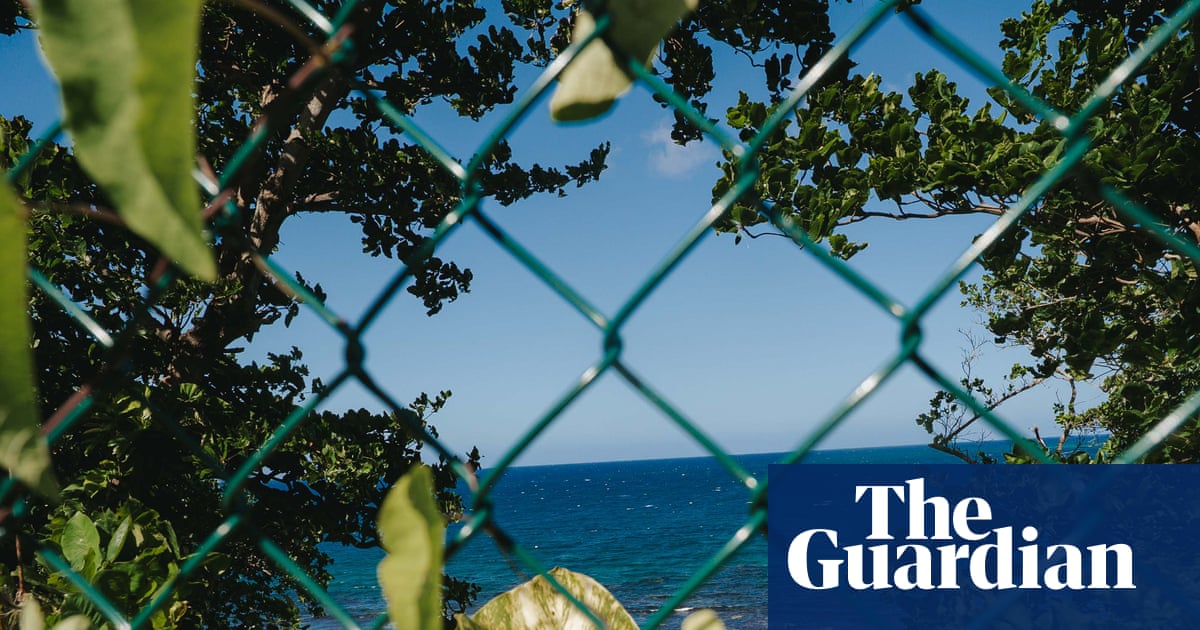
Activists are challenging colonial-era law and demanding ‘free, legal, unfettered, forever rights’ to use beaches
Jamaica’s beach access crisis: ‘We shouldn’t be forced to fight for what is already ours’
Campaigners in Jamaica are heading to court next week to try to prevent the government from cutting off access to more of their beaches.
They argue that ceding their shorelines to big hotel chains enriches private investors and benefits tourists and outsiders while depriving Jamaicans who depend on the sea for their livelihoods, leisure and health.
The legal battle is being led by the Jamaica Beach Birthright Environmental Movement (Jabbem), created in 2020 after community members clashed with police in violent protests over the closure of Mammee Bay, in the popular tourist parish of St Ann.
Five court cases will begin later this month to try to prevent the privatisation of Mammee Bay and Little Dunn’s River in St Ann, the Blue Lagoon in the north-eastern coastal parish of Portland, Bob Marley beach in St Andrew, and Flankers/Providence beach in the tourism capital of Montego Bay.
Jabbem’s founder, Devon Taylor, described the cases as a fight for survival. “The sea is the only source of wild food in Jamaica. And when you cut us off from the sea by denying us access, you are actually setting us up to starve,” he said.
Roseroy Gay, 64, who has fished the waters of the Blue Lagoon since 1979, said fishing zone changes and beach closures had resulted in him needing support from children and other family members abroad.