Jamaica’s beach access crisis: ‘We shouldn’t be forced to fight for what is already ours’
Activists argue business model is ‘plantation tourism’ designed to benefit elite and disadvantage most Jamaicans Campaigners go to court to fight privatisation of Jamaican coast D evon Taylor remembers when the Mammee Bay shoreline in St Ann, Jamaica , was filled with children
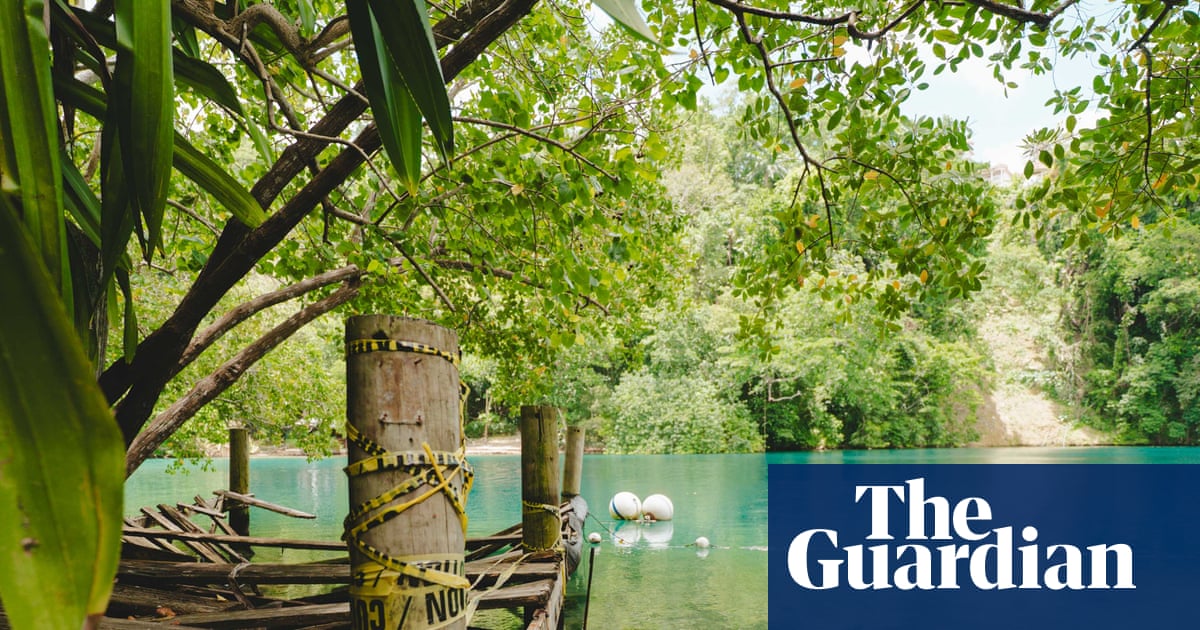
Activists argue business model is ‘plantation tourism’ designed to benefit elite and disadvantage most Jamaicans
Campaigners go to court to fight privatisation of Jamaican coast
D evon Taylor remembers when the Mammee Bay shoreline in St Ann, Jamaica , was filled with children frolicking in the ocean after school, fishers haggling with locals over the price of their daily catch and craft vendors carving souvenirs under almond trees.
“I grew up on Mammee Bay,” Taylor says. He recalls fetching seawater in bottles for his grandmother when she was no longer able to go to the beach, learning to swim in the shallows, and watching generations of fishers cast their nets. “That beach raised us. It fed us.”
Today, Mammee Bay is ground zero in his war against a multibillion-dollar all-inclusive tourism model that the government says is the backbone of the country’s economy, but that he and other activists argue is “plantation tourism”, designed to benefit rich visitors and the elite and disadvantage most Jamaicans.
In 2019, locals were locked out of the beach by a fence and armed state and private security guards hired by investors building all-inclusive luxury hotels, Taylor says.
“In protest, the community ripped down the fence and reoccupied the beach, but because of the restrictions on movement in Covid, you could not be there at certain times, and when they came back they met concrete walls,” he says.
This escalated into a “violent displacement”, says Taylor, the founder of the Jamaica Beach Birthright Environmental Movement (Jabbem). “Gunshots were fired to disperse the protest.”






