Japan sees shortage of plastic bags, trays and gloves, as Iran war-induced naphtha shortage worsens
The Middle East is Japan’s main source of crude oil, from which naphtha is extracted and used to make items including printing ink and plastics Takeaways, supermarkets, and bakeries in Japan are running out of plastic bags, trays and food service gloves amid widening shortages o
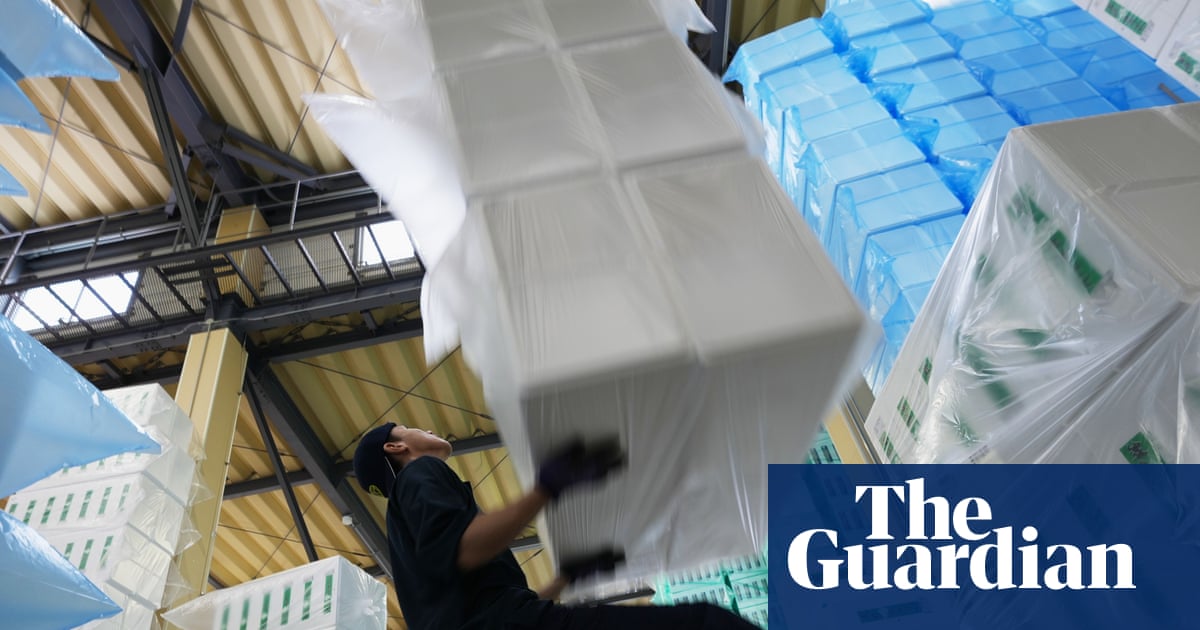
The Middle East is Japan’s main source of crude oil, from which naphtha is extracted and used to make items including printing ink and plastics
Takeaways, supermarkets, and bakeries in Japan are running out of plastic bags, trays and food service gloves amid widening shortages of the key plastic ingredient, naphtha, due to the Middle East crisis.
The food sector accounts for nearly one-third of Japan’s annual plastic use of more than 8m tonnes, and price rises and shortages are hitting hard across the industry and beyond. Some outlets have begun offering perks to customers who bring their own bags, plates or containers.
The Middle East is Japan’s main source of crude oil, from which naphtha is extracted and then used to make a wide variety of items including printing ink, plastics, adhesives and medical supplies.
Data from the Japan Petrochemical Industry Association (JPCA) showed that production of the polyethylene used in shopping and garbage bags was down 62% in March compared with 2025, with large drops also recorded for manufacturing of other plastics.
Prime minister Sanae Takaichi’s government is facing mounting pressure over the shortages, which are also affecting other sectors . The government has assured the public that the issue is a supply “bottleneck” rather than a shortage, but industry leaders and commentators have contradicted this, saying the situation will worsen throughout June. Opinion polls show the public see the issue as one of its most pressing worries.
Japanese retailers have been mandated to charge for plastic shopping bags since 2020. But multiple layers of plastic packaging and wrapping on products are still commonplace and seen as part of Japan’s service culture. That culture is coming under pressure as supplies run low.
At the ColekoVer supermarket in a suburb of Kawasaki, in Tokyo’s south, manager Takeshi Takanohira has been asking his staff to avoid putting fruit and vegetables in the individual plastic bags that his customers are used to because prices are up and supply is down.