Kyushu earthquake complicates rescue efforts amid extreme heat wave
A 6.0 magnitude earthquake in Kyushu, Japan, was compounded by extreme heat over 35°C, complicating rescue efforts and causing heat exhaustion among emergency workers. This incident highlights the gr…

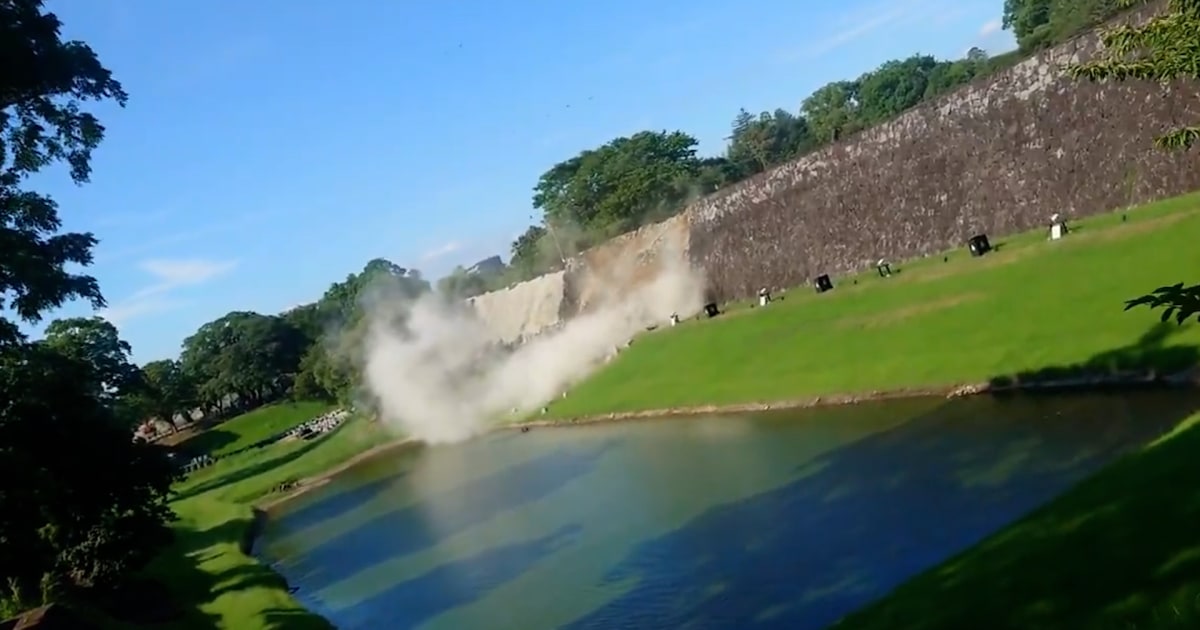
Emergency workers in Kyushu, Japan, faced extreme summer heat while rescuing survivors after a recent earthquake struck the region. The 6.0 magnitude quake hit on a Saturday morning, causing widespread damage and prompting a swift response from local authorities and emergency services. As temperatures soared above 35 degrees Celsius (95 degrees Fahrenheit), the heat added an additional layer of challenge to rescue efforts.
This situation highlights the increasing risks posed by climate change, which is making natural disasters more complex and dangerous. Japan, known for its seismic activity, has already developed robust disaster response systems. However, the intersection of extreme weather events and natural disasters is becoming more frequent as climate patterns shift. As global temperatures rise, heatwaves are expected to become more intense and prolonged, raising concerns about the safety and well-being of both victims and first responders during emergencies.
During the rescue operation, emergency teams had to monitor not just the structural integrity of buildings but also the health of individuals exposed to the sweltering heat. Reports indicate that several rescue workers experienced heat exhaustion, which slowed the pace of recovery efforts. Local authorities established cooling stations to help those affected, but the extreme conditions strained resources. Simultaneously, hospitals braced for an influx of patients suffering from heat-related illnesses.
Looking ahead, lessons from this disaster will likely influence future emergency preparedness plans in Japan and beyond. Authorities may need to integrate heat management strategies into their disaster response protocols. As climate change continues to amplify the risks associated with natural disasters, including the compounding effects of heatwaves, regions prone to seismic activity must adapt. This incident underscores the urgent need for comprehensive planning that considers multiple, overlapping crises in the face of a rapidly changing climate.
Read Full Story at Phys.org →