Q_ARE blends K-pop and Chilean pop in global wave
K-pop’s global popularity is inspiring Chilean artists to blend its style with local culture, as seen with Q_ARE’s fusion of K-pop and Chilean influences. This trend signals Latin America’s growing i…
BTS’s October concert in Santiago is turning the spotlight on Chile’s K-pop boom. The South Korean superstars will play the first Korean act to sell out Chile’s largest venue, proving Latin America’s hunger for Hallyu—the global “Korean wave” of music, TV and beauty.
The trend is spreading fast. BTS already sold out Mexico City in minutes; Colombia, Peru and Brazil have added extra dates to meet demand. Mexico’s president even asked South Korean officials to add shows after fans crashed ticket sites. What started as niche fandom in the 1990s has exploded into mainstream culture, with K-pop concerts, K-dramas and Korean skincare dominating Latin feeds.
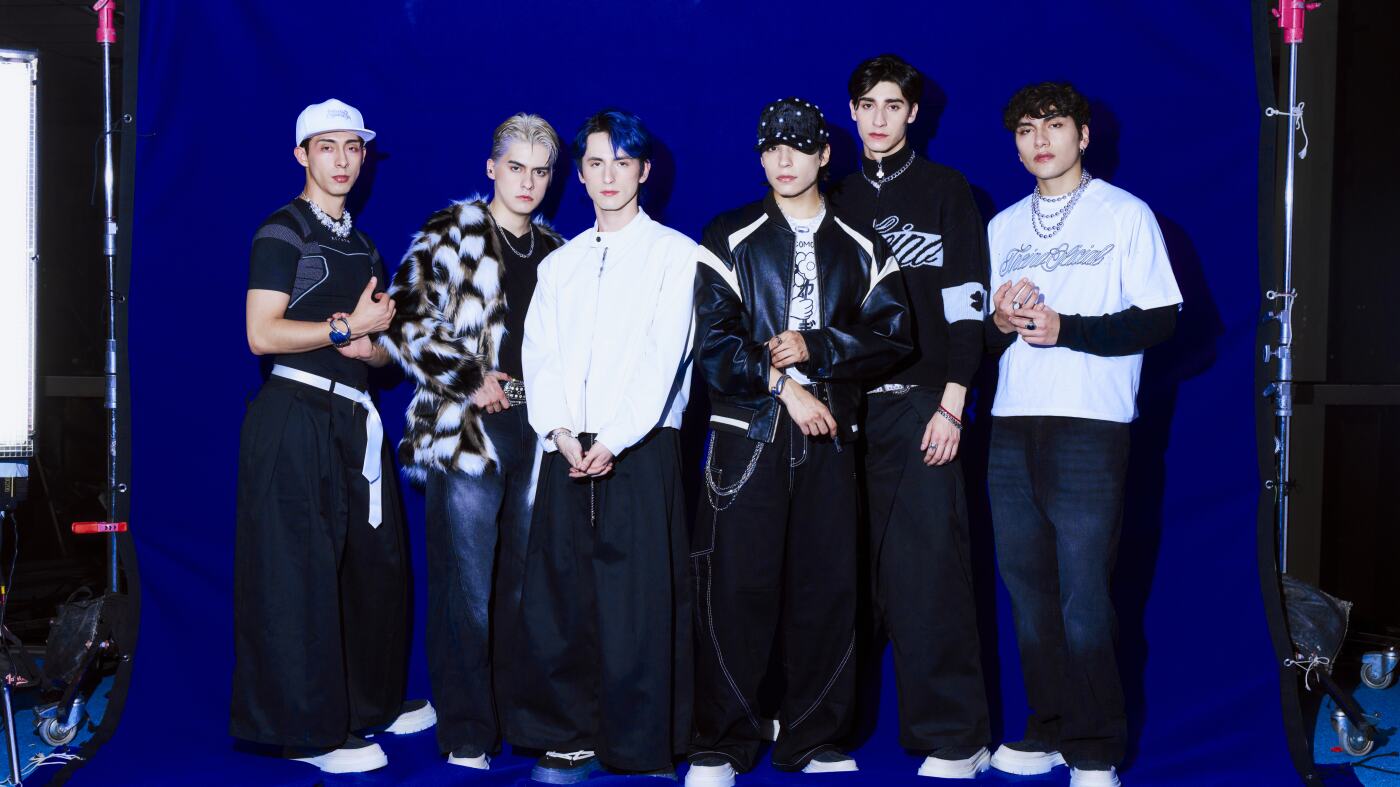
Chile is riding the wave its own way. A new crop of local acts is remixing K-pop’s polished sound, flashy videos and synchronized dance into something unmistakably Chilean. Q_ARE, a six-boy group formed online and trained for two years, mixes English, Spanish and Chilean slang in tracks like “FÚ,” backed by neon videos that nod to pixel-art games and retro arcade lights. Their choreography blends K-pop precision with streetwear comfort: baggy shirts, high-top sneakers, sharp spins.
“K-pop opened the door for us,” says Seba, 22, Q_ARE’s lead vocalist. “But we’re Latinos—this is our sound now.” The band writes its own songs, stages its own videos and rehearses in Santiago studios where salsa and reggaeton spill from neighboring rooms. Their DIY ethos reflects a broader shift: Latin artists aren’t just fans anymore; they’re building a hybrid pop scene that could soon tour Asia itself.
Read Full Story at NPR News →