Katalyst spacecraft pursues NASA Swift for refueling mission
Katalyst’s Link spacecraft is chasing NASA’s Swift satellite to dock and refuel it in mid-September, extending its 22-year mission. Success could pioneer commercial in-orbit refuelling, cutting costs
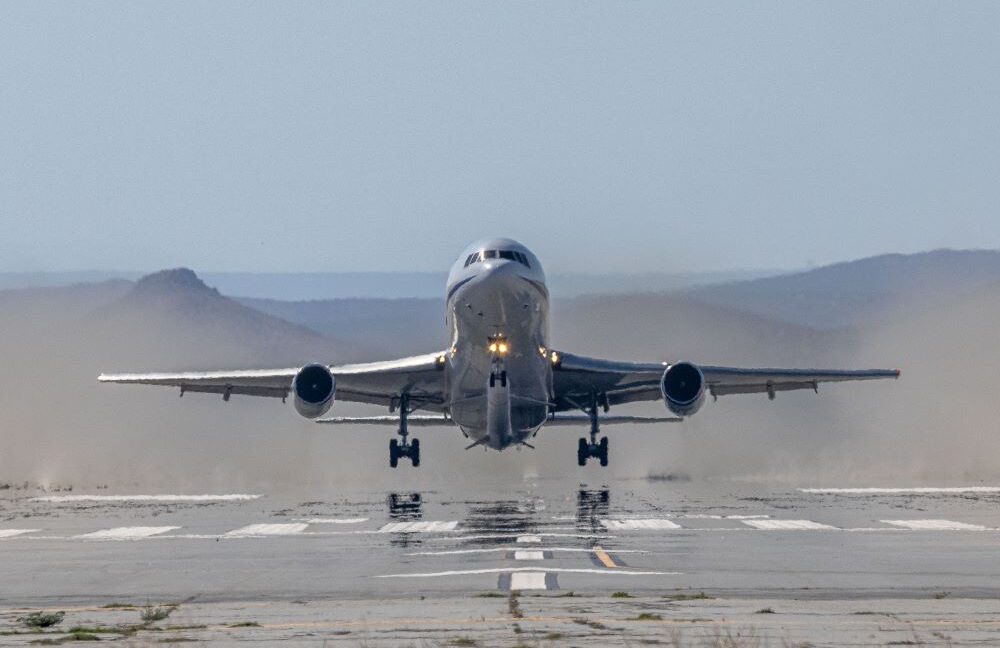
Katalyst’s Link spacecraft is now chasing NASA’s Swift observatory in a delicate orbital rescue that won’t close until mid-September. The autonomous c
Read Full Story at Ars Technica →Why This Matters
The race to extend the lifespan of aging satellites through commercial refueling represents a pivotal moment in the transition from government-dominated space operations to a privatized orbital economy. Success for Katalyst’s mission could slash costs for future satellite fleets by eliminating the need for full replacements, fundamentally altering how space agencies and corporations manage their assets in Earth’s orbit.
Background Context
NASA’s Swift satellite, launched in 2004, was designed for a two-year gamma-ray burst observation mission but has operated for over two decades—far exceeding its original lifespan. The rise of in-orbit servicing companies like Katalyst signals a shift spurred by NASA’s push toward public-private partnerships under programs like the Commercial Orbital Transportation Services (COTS), where taxpayer-funded innovation now stands to benefit private ventures.
What Happens Next
If the docking and refueling proceed as planned in mid-September, Katalyst will validate a business model that could be licensed to other satellite operators, potentially including competitors like Northrop Grumman’s Mission Extension Vehicle. Regulators and insurers will closely scrutinize the mission’s safety and liability frameworks, while competitors may accelerate their own refueling missions, turning orbital servicing into a new frontier of space competition.
Bigger Picture
This mission underscores the accelerating commercialization of space, where once-experimental services like satellite repairs are now becoming standard operating procedure. With thousands of satellites at risk of premature retirement due to depleted fuel, the success of such missions could reshape the economics of space infrastructure, making orbital longevity a tangible asset rather than a fleeting capability.