Papal letter reveals King Harold II's allegiance led to 1066 defeat
A newly found papal letter fragment indicates that King Harold II's support for Pope Honorius II may have led to his defeat against William the Conqueror in 1066. This highlights the significant role…
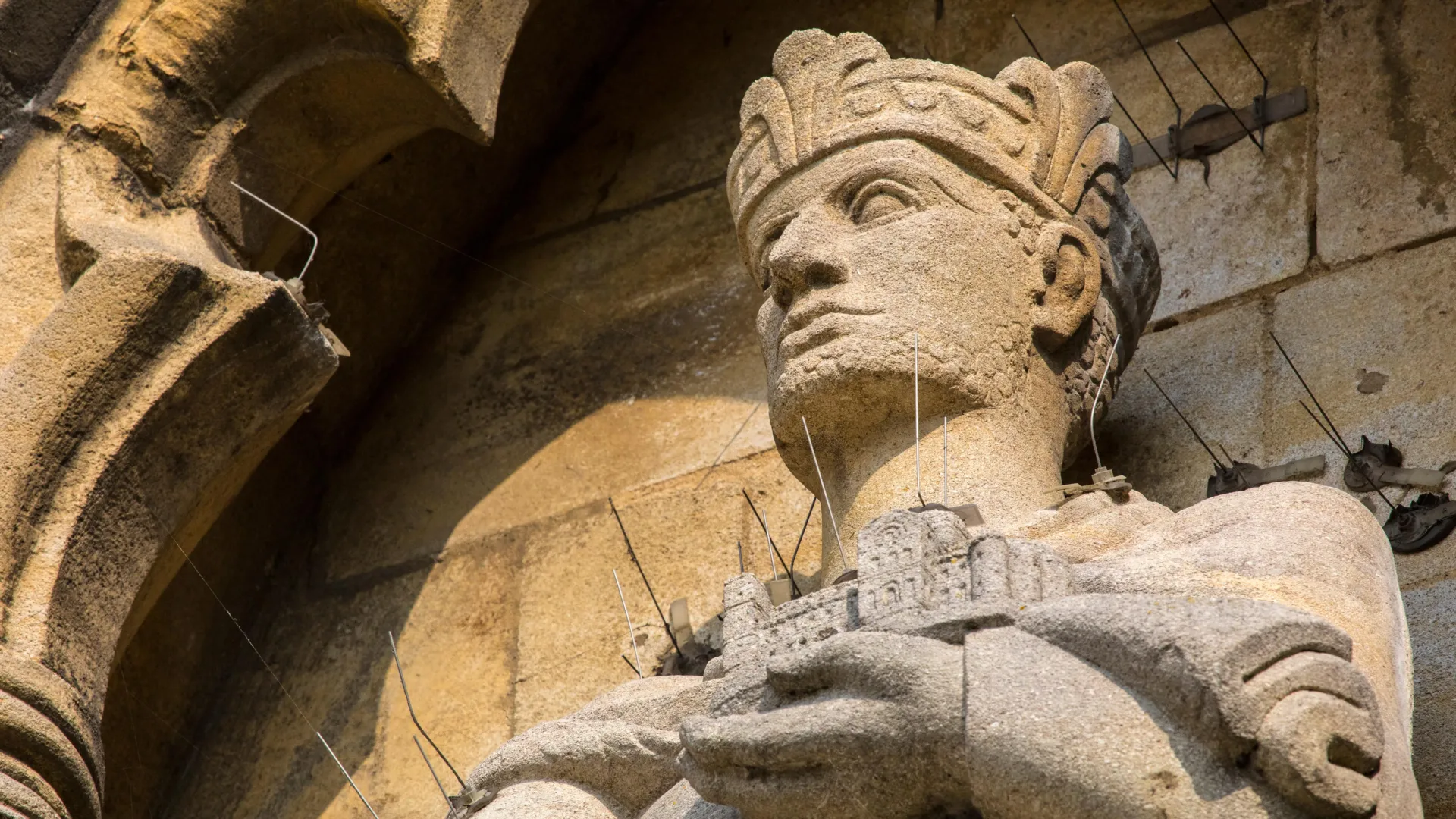
A newly discovered fragment of a lost papal letter suggests that King Harold II of England may have jeopardized his reign by supporting the wrong pope during a critical religious power struggle. This revelation sheds light on the complex political dynamics leading up to the Norman Conquest in 1066, indicating that Harold’s decision could have influenced Pope Alexander II’s backing of William the Conqueror’s invasion.
The historical context of this discovery is significant. At the time, the Catholic Church was embroiled in a fierce contest for power between various factions, primarily between Pope Alexander II and his rival, Pope Honorius II. Harold’s allegiance to Honorius placed him at odds with Alexander, who sought to expand his influence in England. The backing of a pope could provide military and spiritual legitimacy, making Harold’s choice a pivotal error that may have contributed to his downfall at the Battle of Hastings.
In the fragment, researchers found evidence of political maneuvering within the papacy that suggests Harold’s choice was not merely a matter of faith but rather a miscalculation in a larger game of thrones. The implications are profound—this new perspective highlights how international religious politics can directly impact local governance and military outcomes. Historians now reassess the role of papal allegiance in shaping the course of British history, emphasizing that the conflict was as much about ideology as it was about land and power.
The discovery raises questions about the broader ramifications of religious politics in medieval Europe. Understanding these dynamics could lead to new insights into not just the Norman Conquest, but also subsequent conflicts in England and beyond. As scholars continue to analyze the fragment, we may uncover more layers to this pivotal moment in history, reshaping our understanding of not just Harold’s reign but the interplay between religion and politics during the era.
Read Full Story at ScienceDaily →