Lab-grown mini brains predict Alzheimer’s drug response by DNA
Lab-grown organoids from Alzheimer’s patients react to antidepressants based on their specific DNA. These models could enable personalized treatments by predicting drug efficacy and reducing side effe
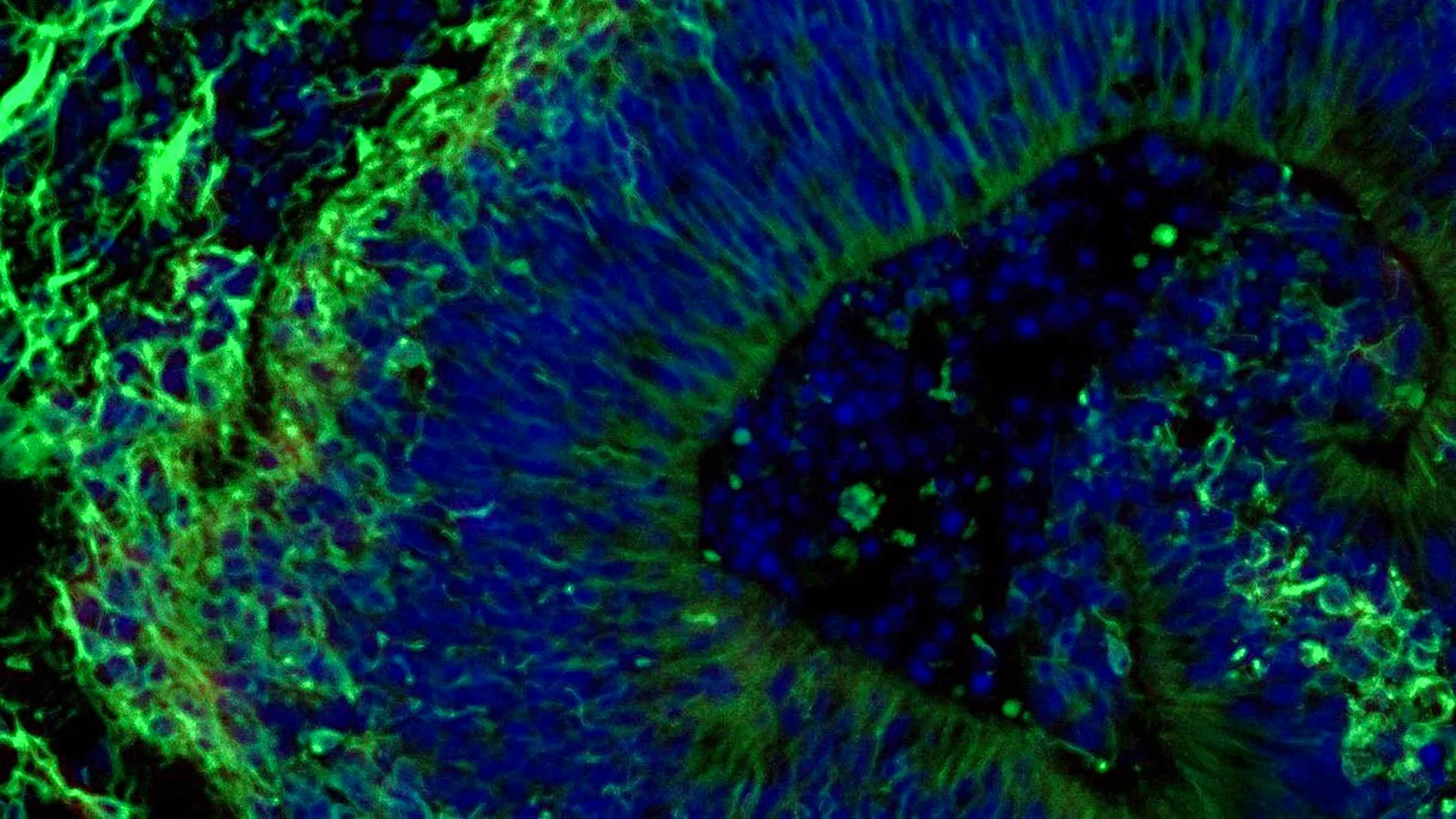
Lab‑grown mini brains may predict which Alzheimer’s treatments will work. Scientists have created tiny brain models, called organoids, from cells take
Read Full Story at ScienceDaily →Why This Matters
The ability to create lab-grown mini brains that respond to treatments based on an individual's DNA marks a significant advancement in the field of personalized medicine. This innovation not only holds promise for improving treatment outcomes for Alzheimer’s patients but also sets a precedent for how other complex diseases could be approached, potentially revolutionizing the development of tailored therapies.
Background Context
Alzheimer's disease has long posed challenges for researchers due to its complex pathology and the variability in how patients respond to treatments. Traditional drug development often relies on broad population studies, which can overlook individual genetic differences; lab-grown organoids offer a novel solution by mimicking patient-specific brain environments.
What Happens Next
As this research progresses, we may see a shift in clinical practices towards more personalized approaches in treating Alzheimer's. Key questions will revolve around the scalability of organoid models and how quickly they can be integrated into clinical trials, potentially influencing drug approval processes and reimbursement decisions.
Bigger Picture
This development reflects a broader trend in medicine that emphasizes precision and personalization, moving away from one-size-fits-all treatments. As technology continues to evolve, we may witness a growing intersection of genetics, bioengineering, and pharmacology, leading to breakthroughs not only in neurodegenerative diseases but across various medical fields.