Landslides kill at least 16 Rohingya in Bangladesh camp
Landslides triggered by heavy rains have killed more than a dozen people in the past few days, including children and women in the Rohingya camp in Cox’s Bazar, southeast Bangladesh. The Office of the
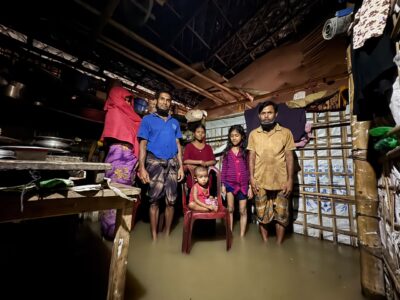
Landslides triggered by heavy rains have killed more than a dozen people in the past few days, including children and women in the Rohingya camp in Co
Read Full Story at Crux Now →Why This Matters
The tragedy underscores the enduring vulnerability of Rohingya refugees in Bangladesh, where systemic neglect of infrastructure intersects with climate change. Beyond the immediate human toll, these landslides reveal how environmental disasters exacerbate humanitarian crises, forcing displaced communities into cycles of displacement and loss. It also challenges the global community’s commitment to protecting the most marginalized in an era of intensifying climate extremes.
Background Context
The Rohingya camps in Cox’s Bazar, home to nearly 1 million people, were never designed as permanent settlements. Built on deforested hillsides with inadequate drainage, they remain highly susceptible to monsoon-triggered disasters. The camps’ overcrowding stems from Myanmar’s 2017 military crackdown, which forced 730,000 Rohingya to flee, yet international aid and resettlement efforts have stalled for years.
What Happens Next
Expect pressure on Bangladesh to relocate vulnerable families to safer sites, though funding shortfalls and bureaucratic hurdles may delay action. The disaster could also reignite debates over resettlement to third countries, but geopolitical resistance remains a major obstacle. Meanwhile, humanitarian groups will likely call for urgent investments in early warning systems and slope stabilization.
Bigger Picture
This crisis reflects a growing pattern where climate-induced disasters disproportionately impact stateless and displaced populations, who lack access to protective infrastructure. It also highlights the failure of global climate adaptation policies to prioritize the most at-risk communities. With monsoon seasons worsening, the Rohingya’s plight may foreshadow similar emergencies unless structural solutions emerge.