Lindsay Clancy begged for help before allegedly killing her three children
Lindsay Clancy's former mother-in-law testified that Clancy was "begging for help" before allegedly killing her three children, highlighting her severe mental health decline after childbirth. The tri…
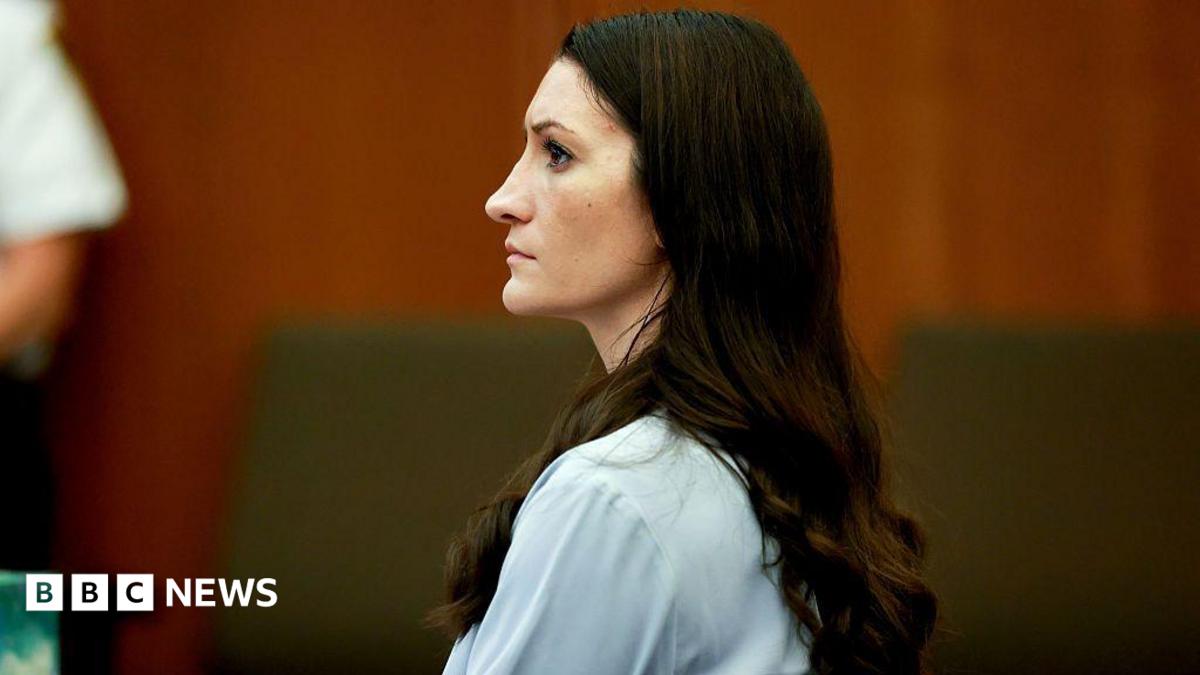
Lindsay Clancy was described as "begging for help" prior to the tragic deaths of her three children, according to testimony from her former mother-in-law during her ongoing murder trial. Susan Clancy testified on Tuesday that Lindsay's mental health significantly declined after the birth of her youngest son, Callan. She noted that Lindsay suffered from insomnia, loss of appetite, and deep anxiety, painting a picture of a mother in distress.
The case has drawn attention as it highlights the severe consequences of untreated postpartum mental health issues. Lindsay Clancy, who has pleaded not guilty to three counts of first-degree murder, is accused of intentionally killing her children—Cora, age five; Dawson, age three; and eight-month-old Callan—using fitness bands in their Massachusetts home. Prosecutors argue that Clancy made a deliberate decision to end her children’s lives, while the defense claims she was suffering from postpartum psychosis, a serious mental illness that can arise after childbirth.
Testimonies from family members support the defense’s assertion. Lindsay's mother, Paula Musgrove, revealed that her daughter expressed thoughts of harming the children a month before the tragic incident. Musgrove described Lindsay as a nurturing mother who had always longed for a family. Despite her struggles, Lindsay actively sought help, checking into a psychiatric hospital just before the deaths and expressing daily suicidal thoughts to her sister, Allison Ozga.
As the trial progresses, the focus remains on understanding the depth of Lindsay Clancy’s mental health challenges. The case raises important questions about the support systems available for mothers experiencing postpartum psychosis, which the UK's National Health Service classifies as a serious condition requiring immediate medical attention. The outcome of this trial could have broader implications for how society addresses mental health issues related to childbirth.
Read Full Story at BBC World News →