UK High Court clears Mercedes, Renault, Peugeot in emissions case
Major carmakers like Mercedes, Renault, and Peugeot avoided liability as a UK High Court ruled only two emissions strategies illegal, requiring proof of intent to deceive. The case sets precedent on a
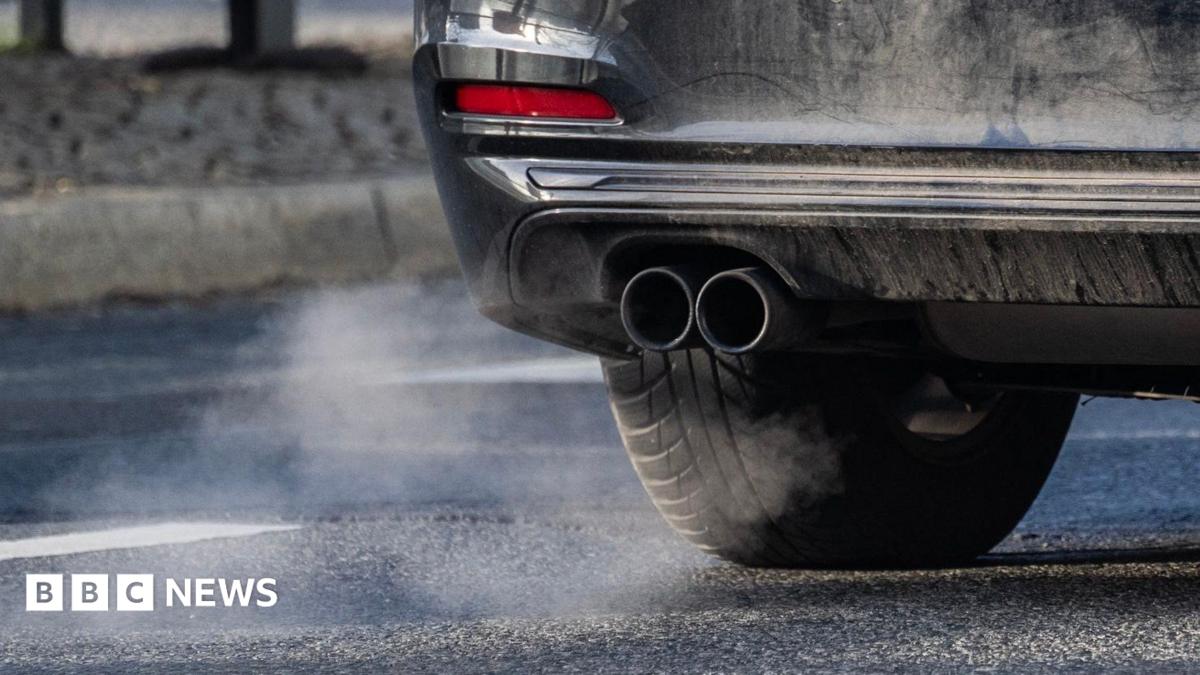
A High Court judge has ruled that most major carmakers did not install devices designed to cheat emissions tests, delivering a partial win for manufac
Read Full Story at BBC Business →Why This Matters
The ruling exposes a critical loophole in emissions enforcement, demonstrating how legal standards for intent can shield corporations from accountability even when their conduct raises serious ethical questions. It underscores the fragility of regulatory oversight in an industry where technological sophistication often outpaces legal frameworks designed to protect public health and the environment.
Background Context
Dieselgate’s fallout in Europe has been uneven, with regulators in some jurisdictions pursuing aggressive prosecutions while others grapple with technical and evidentiary hurdles. The UK’s approach—requiring proof of deliberate deception—contrasts sharply with the U.S., where civil penalties and settlements have been far more common, leaving a patchwork of accountability across markets.
What Happens Next
Expect intensified scrutiny of "defeat devices" with stricter thresholds for what constitutes illegal behavior, potentially leading to more targeted regulatory crackdowns. Watch for appeals that could refine—or further dilute—the legal definition of intent, as well as lobbying efforts by automakers to codify the current precedent into law.
Bigger Picture
This case reflects a broader pattern in corporate accountability, where advanced technical evasion tactics outpace traditional enforcement mechanisms. It also highlights the growing tension between rapid technological innovation in automotive engineering and the slow evolution of regulatory and legal responses to environmental and consumer protection concerns.