Map: How much you pay in federal and state gas taxes
As national gas price averages head toward $5 per gallon, one state has already suspended its gas tax, and now President Donald Trump and his Cabinet are talking about doing the same.
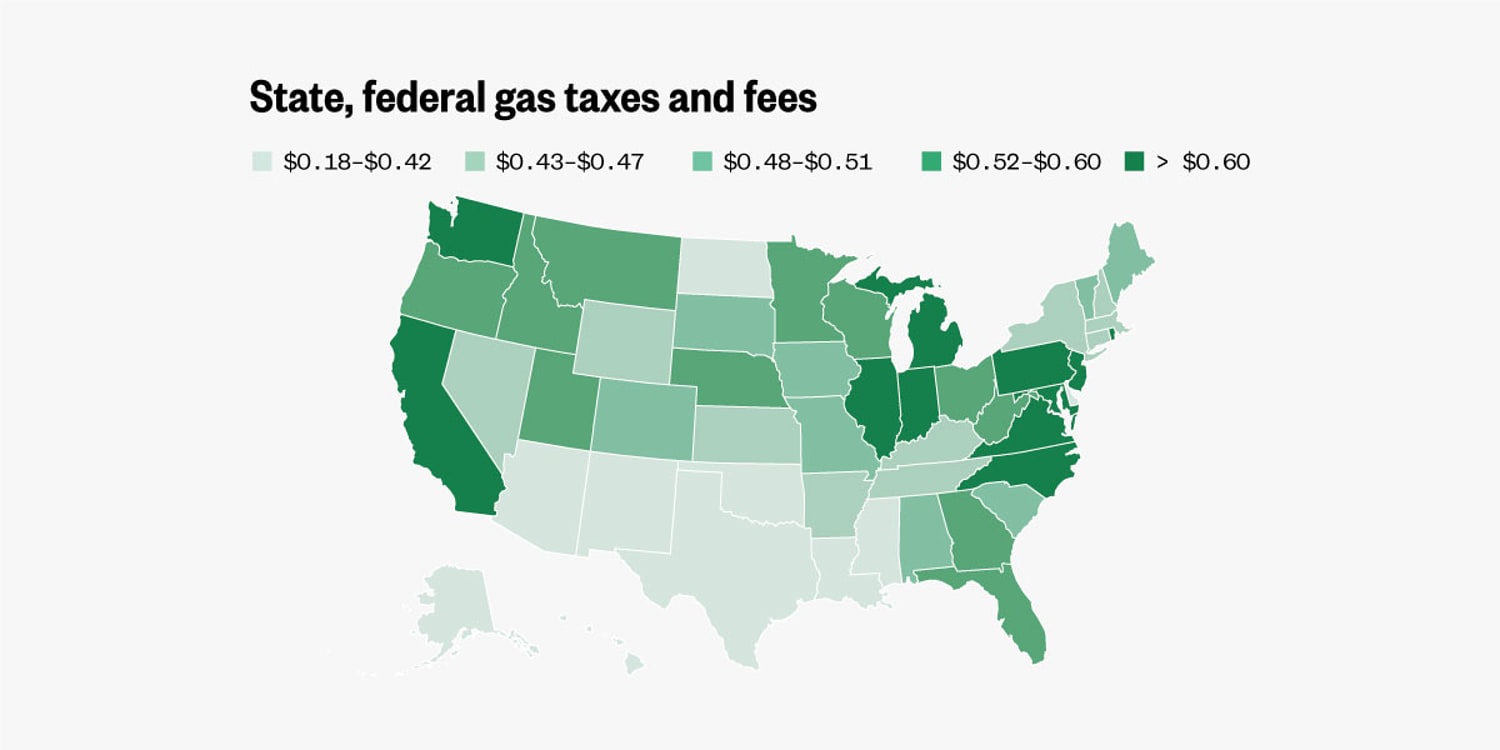
As national gas price averages head toward $5 per gallon, one state has already suspended its gas tax, and now President Donald Trump and his Cabinet
Read Full Story at NBC News →Why This Matters
The surge in gas prices to near $5 per gallon is reigniting a long-simmering debate over fuel taxes, which have become an ideological battleground for fiscal policy and economic equity. With state-level suspensions already in motion, the federal government’s potential intervention could reshape transportation funding—potentially shifting the burden to alternative revenue streams or raising deficits. Voters are watching closely, as gas prices often serve as a litmus test for broader economic frustration.
Background Context
Federal gas taxes haven’t been raised since 1993, with the 18.4-cent-per-gallon excise tax remaining stagnant despite inflation and infrastructure demands. States, which often levy additional taxes, have increasingly used temporary suspensions or rebates to address volatility, but these measures risk underfunding critical road maintenance and public transit. The political calculus has shifted as both parties grapple with inflation’s impact on household budgets, complicating traditional stances on transportation funding.
What Happens Next
If a federal gas tax holiday materializes, the most immediate effect would be a temporary relief for drivers—but at the cost of billions in lost revenue for highway trust funds, straining already tight budgets. Lawmakers may pivot to alternative funding mechanisms, such as general fund transfers or taxing electric vehicles, though neither solution is politically seamless. The midterm elections loom as a forcing mechanism, with candidates likely to weaponize gas prices in campaign messaging.
Bigger Picture
This debate reflects a broader erosion of user-fee financing for public goods, as governments face pressure to shield consumers from price shocks rather than invest in long-term infrastructure. The shift could accelerate calls for mileage-based taxes or carbon pricing, but such reforms require bipartisan consensus—a rarity in today’s polarized climate. Ultimately, the gas tax’s future may hinge on whether policymakers prioritize short-term relief or the sustainability of the nation’s transportation networks.






