Oldest Martian meteorite shows Mars lost water over 4 billion years ago
The oldest known Martian meteorite indicates that Mars began losing its water over 4 billion years ago, reshaping our understanding of the planet's atmospheric evolution. This finding suggests that c…
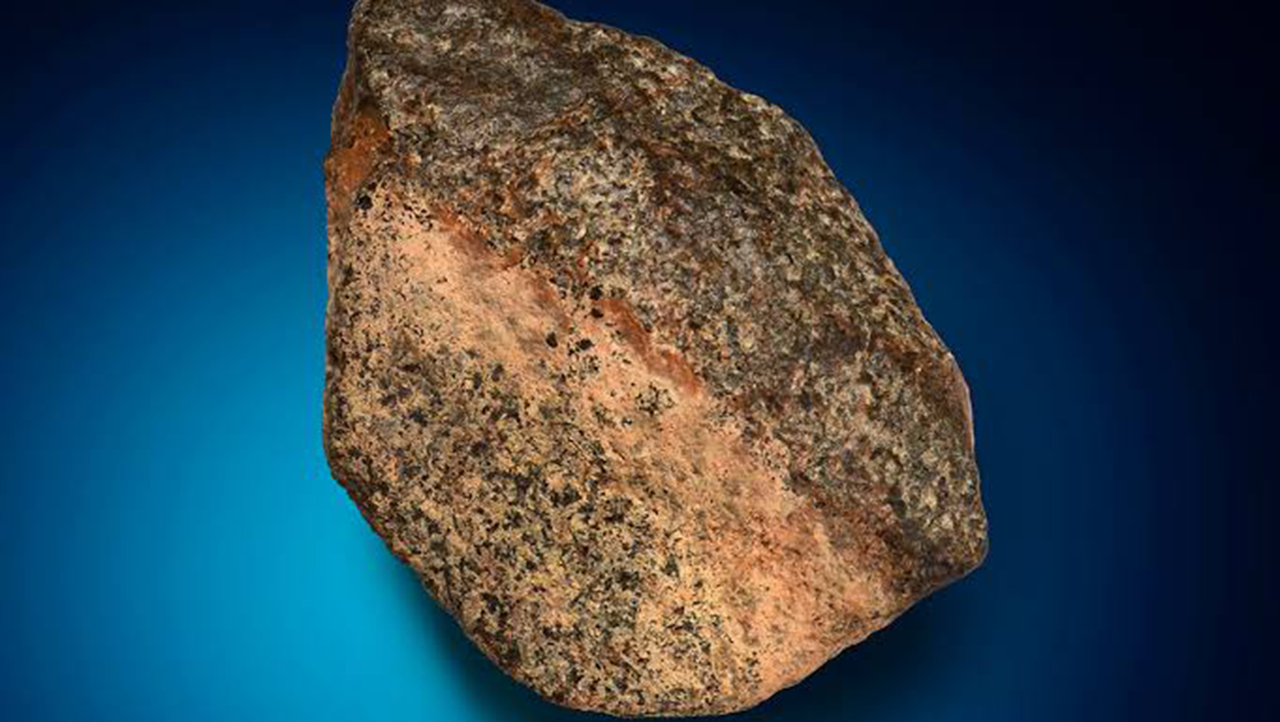
Scientists have identified the oldest known rock from Mars, a specimen that suggests the Red Planet began losing its water more than 4 billion years ago. The meteorite, which landed on Earth in 2022, provides the earliest direct evidence of Martian atmospheric evolution. This discovery pushes back the timeline for when Mars transitioned from a wet, potentially habitable world to the dry desert we see today. The finding comes from a team of researchers who analyzed the chemical composition of the stone, revealing isotopic signatures that point to massive water loss in the planet’s distant past. This is not just a geological curiosity. It fundamentally changes our understanding of when the window for life on Mars may have closed. If water was escaping so early, the conditions necessary for biology might have been short-lived or never fully established in the way we previously thought. The meteorite serves as a time capsule, preserving the chemical history of Mars from an era that is otherwise inaccessible to direct observation.
The significance of this rock lies in its age and its origin. Most Martian meteorites found on Earth are between 1 and 4 billion years old, representing a later chapter in the planet's history. This specific sample, however, dates back to the Noachian period, a time when Mars is believed to have had rivers, lakes, and possibly even oceans. By studying the oxygen and hydrogen isotopes within the rock, scientists can trace how the atmosphere changed over time. Lighter isotopes of hydrogen escape into space more easily than heavier ones. The ratio of these isotopes in the meteorite indicates that a significant portion of Mars' water was lost to space very early in its history. This process, known as atmospheric escape, is driven by solar wind and the lack of a global magnetic field to protect the atmosphere. Previous models suggested that Mars retained its water for longer, but this new data forces a revision of those models. It implies that the planet's climate shifted rapidly after its formation, stripping away the protective blanket of gas and liquid water that could have supported life.
The discovery was made possible by advanced analytical techniques that allow scientists to read the subtle chemical fingerprints left in ancient rocks. The meteorite was found in Antarctica, a common hunting ground for such specimens because the dark rocks stand out against the white ice. Once recovered, it was subjected to rigorous testing to confirm its Martian origin and determine its age. The results have sparked intense discussion within the planetary science community. Some researchers argue that while the water loss was significant, it does not rule out the possibility of subsurface microbial life that could have survived the surface drying. Others suggest that the early loss of water means that any biosignatures we might look for today would be extremely rare or degraded. The next step involves searching for similar ancient rocks in other meteorite collections and planning future missions to Mars that can target these specific geological periods. NASA and the European Space Agency are already considering sample return missions that could bring more of these ancient materials directly to Earth for study.
This finding matters because it sets a stricter timeline for the search for past life on Mars. If the atmosphere collapsed early, the surface became hostile to life much sooner than we thought. This directs future exploration efforts toward protected niches, such as deep underground or in mineral deposits that might have preserved organic material. It also informs our understanding of how planets evolve. Earth retained its water because of its stronger gravity and active magnetic field. Mars, being smaller, could not hold onto its atmosphere as effectively. By comparing the two worlds, we learn more about the delicate balance required for a planet to remain habitable. The oldest Martian rock is not just a piece of space debris. It is a critical piece of the puzzle that explains why Mars is dead today and what it might have looked like in its youth. As we prepare to send humans to the Red Planet, understanding this history is essential for interpreting the landscape and searching for signs that we were not alone in the solar system.
Read Full Story at Live Science →