Marshall Milton ANC review: Making the rare case for premium on-ear headphones
It’s like the Major and the Monitor had a baby. Marshall's Major headphones are now in their fifth iteration, an unusually long lifespan for the often-overlooked on-ear category. The original model launched the same year as the first iPad , and sixteen years later they're still
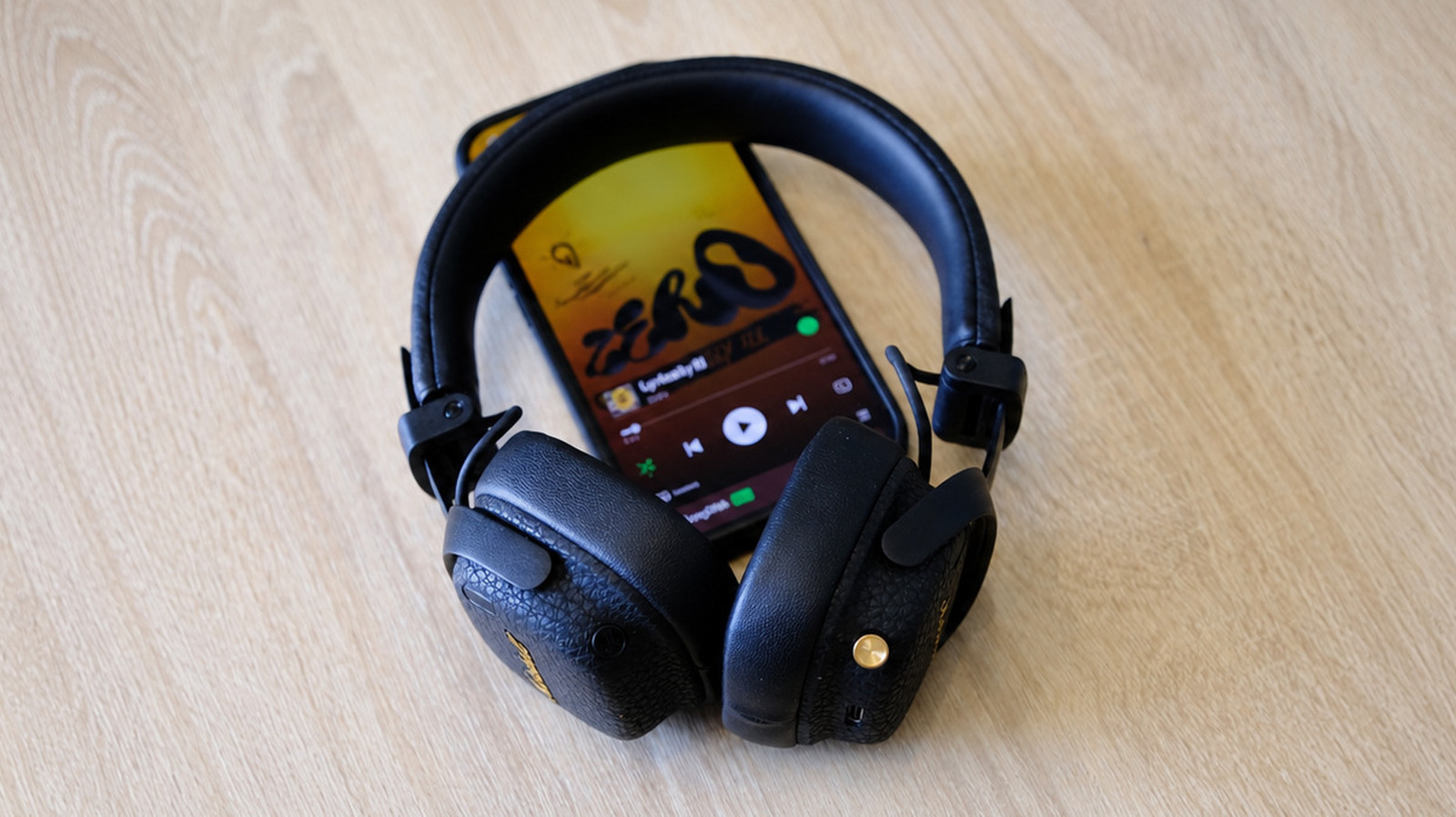
Marshall's Major headphones are now in their fifth iteration, an unusually long lifespan for the often-overlooked on-ear category. The original model launched the same year as the first iPad , and sixteen years later they're still going strong — with one notable omission: active noise cancellation (ANC). That's where the new Milton comes in. If the design looks familiar, that's because it started life as an ANC version of the Major. Over time, it evolved beyond a simple update, becoming a distinct third pillar in Marshall's headphone lineup, sitting between the Major and Monitor ranges.
The Milton enters an interesting space: premium on-ear ANC headphones. It's a category that rarely gets much attention, but Marshall has over a decade of experience refining on-ears, and the user data that comes with it, I presume. The $230 headset comes with all the expected elements Marshall is known for — solid battery life, iconic Marshall design and a feature-rich companion app. The result is something that's definitely category defining, just maybe not in the way you'd expect.
The Milton looks like a pair of Monitors squashed into the shape and size of the Major. That's to say, the gold logo motif, rounded edges and the metal headband details are all borrowed from the Monitor. The general size and the square shape of the ear cups, that's an obvious influence from the Major. If there is a word that fuses "understated" and "familiar" then that's what the Milton is. Undermiliar, perhaps? You'll find other unmistakable Marshall DNA in the tolex-like textured finish that mimics its amps and the ever-present, brass accented multi-purpose button.
Like the Monitor and Major before it, the Milton captures the spirit of the brand it represents without drifting too far into gimmick territory . I do think Marshall's design language is more on the lifestyle side that will appeal to a younger audience, or one that wants to wear its rock/alternative/indie spirit on its sleeve (or, in this case, ears). If you don't care two hoots about the aesthetic and are just looking for a lightweight, comfortable and well-made on-ear headphone, then the Monitor is also exactly that.
Inside the ear cups, a 32mm driver is running the show. Physical controls are sparse, with just the aforementioned multi-directional brass button on the right hand ear cup and a customizable button on the left which can be assigned to toggle ANC, EQ, Soundstage (spatial audio) or summon your voice assistant.
Although the Milton is a wireless headphone, there's a USB-C to 3.5mm cable in the box for analog/wired listening. But you'll still need to turn the Milton on for that to work, so sadly this isn't a plan B should you run out of battery. You can also use a USB-C cable to connect to a phone or PC and listen that way, too. The Milton has a user-replaceable battery too, which should extend the prospective life of the headphones significantly. The ear pads are also removable and thus should be replaceable.
I'm going to come out and say it, Marshall's companion app is maybe the best I've ever used. Headphone apps often feel like afterthoughts with clunky user interfaces. What's worse, the features they include are often easier to just activate on the device itself. Marshall's app is a trove of discovery and genuinely helpful.
For example, on the main home page, you can toggle between ANC, transparency mode or disable both. You can also do this with the buttons, but the app has an ANC "Level" option for deeper configuration. Below that is the EQ, where you'll also find the adaptive loudness toggle. The app has some decent presets here, but you can make your own and save that as a preset too.