Archaeologists find unrelated medieval babies and adults buried together in Sweden
Archaeologists found babies and unrelated adults buried together in medieval Swedish cemeteries, not as family. This challenges Christian burial norms and suggests a shift in Scandinavia’s Christianiz
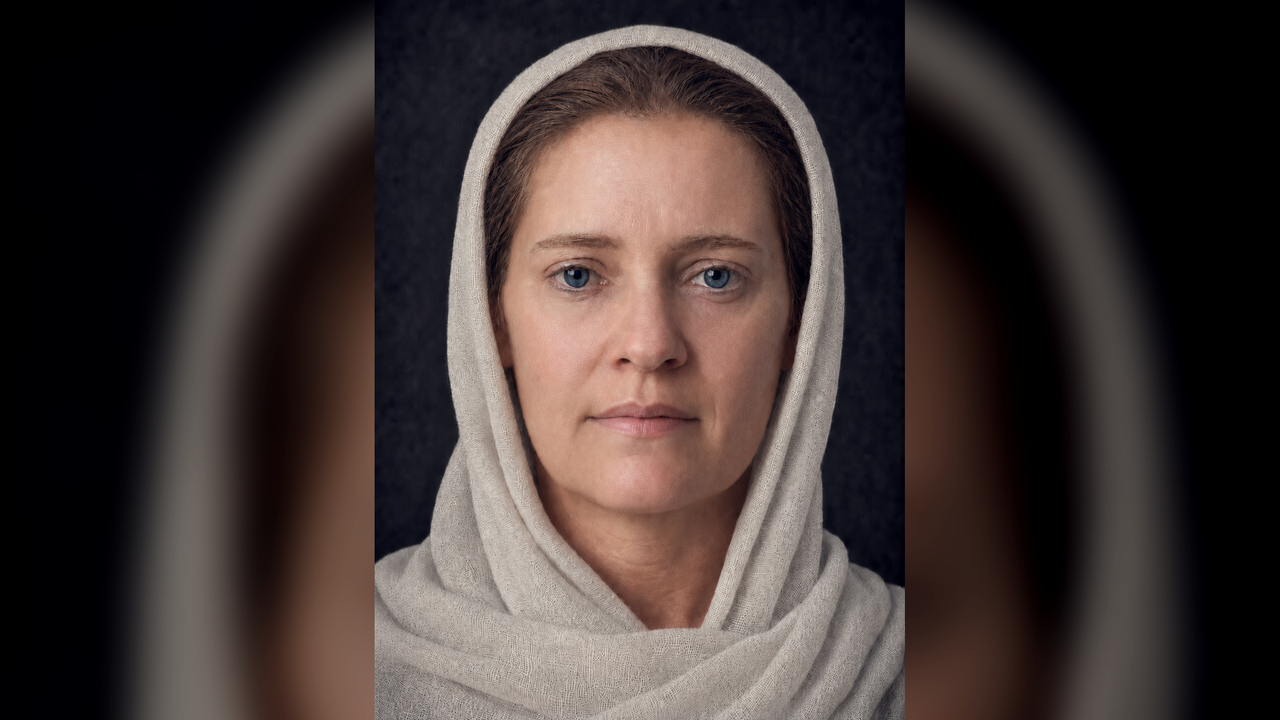
Researchers have discovered that three medieval cemeteries in Sweden contained babies and adults buried together — but not as family. The team, led by
Read Full Story at Live Science →Why This Matters
The discovery redefines our understanding of medieval Christian burial practices in Scandinavia, where the principle of kinship-based interment was often assumed. It suggests that early Christian communities in Sweden may have prioritized spiritual or communal unity over biological connections, challenging long-held assumptions about the social fabric of conversion-era Europe.
Background Context
By the 11th century, Scandinavia was undergoing a rapid religious transformation, with Christianity supplanting pagan traditions. While Christian burials typically emphasized familial bonds, archaeological evidence from pagan contexts often shows unrelated individuals buried together—a pattern now emerging in early Christian sites. This raises questions about how much pagan customs influenced nascent Christian practices in the region.
What Happens Next
Further genetic testing of these burial sites could reveal whether these "unrelated" individuals shared distant ties or were deliberately grouped for symbolic reasons. Archaeologists may also expand searches to other medieval cemeteries in the region to determine if this was a localized phenomenon or a widespread adaptation of Christian burial norms.
Bigger Picture
This finding aligns with broader shifts in medieval Europe, where Christianization often absorbed pre-existing cultural practices rather than erasing them outright. It underscores how religious transitions rarely follow linear paths, instead blending old and new customs in ways that continue to reshape our understanding of the past.