Researchers find artificial hibernation alters memory in lab mice
A study on lab mice in artificial hibernation revealed that this state alters memory formation and retrieval, challenging traditional views of memory as stable. These findings suggest that memory may…
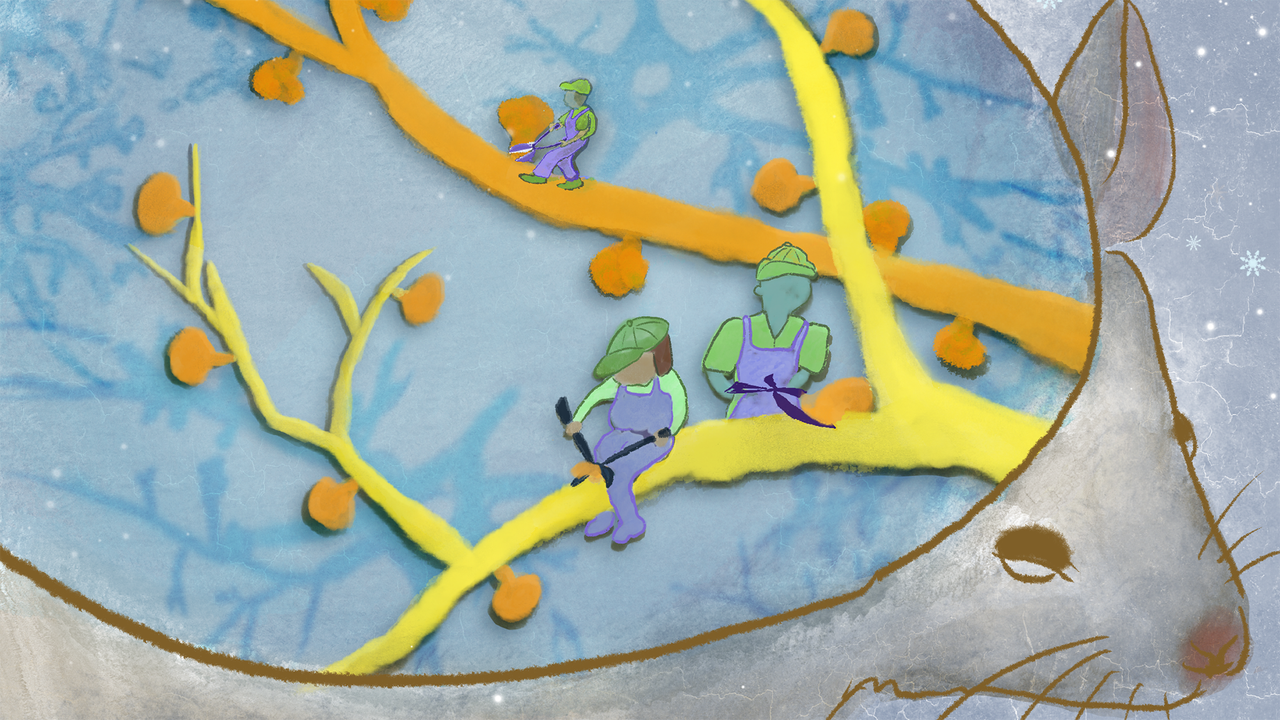
A new study has induced artificial hibernation in lab mice, revealing surprising insights about how memory functions. Researchers at the University of Tsukuba in Japan found that the hibernation process altered the way the mice formed and recalled memories. This study was published in the journal Nature Communications and may challenge long-held beliefs about memory storage and retrieval.
The study is significant as it comes at a time when scientists are increasingly interested in the mechanisms behind memory formation. Traditional theories suggest that memories are stored and later retrieved in a relatively stable manner. However, the observations made during the hibernation process suggest that memory may be more fluid and dynamic than previously thought. With rising concerns about memory-related conditions such as Alzheimer’s disease, understanding these mechanisms could pave the way for new treatments.
During the experiment, the researchers found that when mice were allowed to hibernate, their ability to learn new tasks was impaired. Upon waking, the mice exhibited changes in their memory retrieval processes compared to their non-hibernating counterparts. These findings indicate that periods of dormancy could disrupt the typical memory pathways, leading to alterations in how memories are formed and accessed. The study also highlights a potential link between metabolic states and cognitive functions, suggesting that memory is more closely tied to the brain's biological state than previously assumed.
As scientists analyze these findings, future research may focus on the implications for human memory and cognition. If memory operates differently during states of rest or dormancy, this could inform strategies for enhancing memory or addressing cognitive decline. The study opens the door for further exploration into how metabolic state influences memory, potentially leading to groundbreaking advancements in neuroscience and treatment for memory disorders.
Read Full Story at Live Science →